
You reach for what looks like a smart choice — a granola bar, a fruit yogurt, a bag of trail mix — and you feel good about it. But if you're trying to boost your protein intake, some of those so-called “healthy” picks might be working against you. Many popular, seemingly wholesome foods are actually surprisingly low in protein, and it's easy to overestimate their nutritional value. Here are six foods that can trick you, plus what to keep in mind when building a truly protein-aware diet.
1. Fruit Yogurt
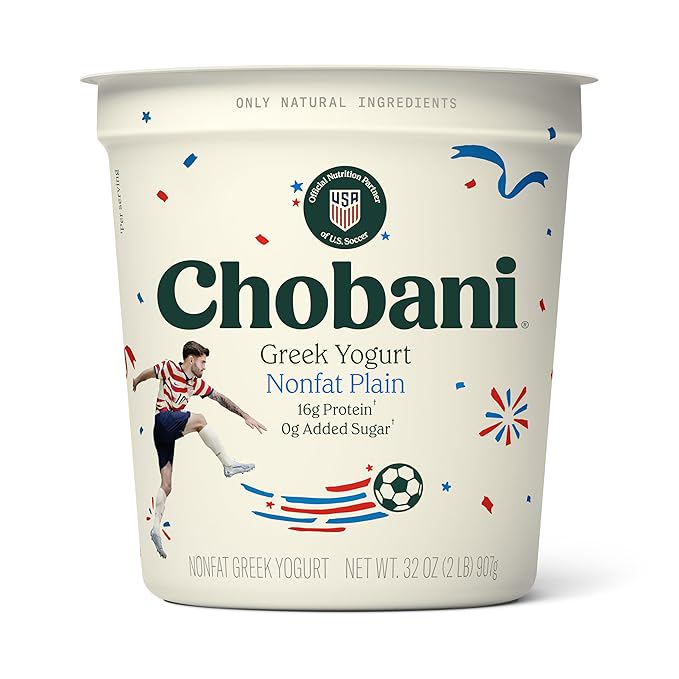
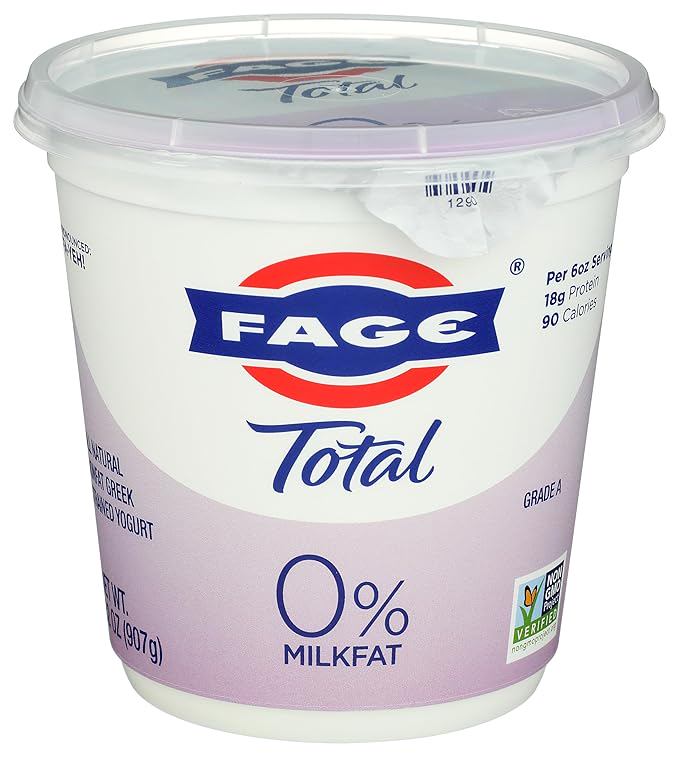
Yogurt has a well-earned reputation as a protein source, but that's mainly true for plain, unsweetened Greek or Skyr varieties. Many fruit-flavored yogurts, especially the ones sold in single-serving cups, contain added sugar and very little protein — often just 4 to 6 grams per serving. That's roughly the same as a small handful of almonds, but with far more sugar and fewer satiating nutrients. If you love yogurt, stick with plain and add your own berries or a drizzle of honey. You'll get more protein and far less sugar.
2. Granola and Granola Bars
Granola has a wholesome halo, but most commercial granolas are built on oats, sweeteners, and oil. A typical serving (about a half cup) delivers only 3 to 5 grams of protein, while packing in around 200 to 300 calories. Granola bars are often even lower in protein, with many clocking in at just 1 to 3 grams per bar. They're convenient, sure, but they're closer to a carbohydrate snack than a protein-rich one. For more staying power, pair your granola with Greek yogurt or choose a bar that lists nuts, seeds, or whey protein among its top ingredients.
3. Veggie Burgers
A veggie burger sounds like a protein powerhouse — after all, it's made from plants, right? But many store-bought and restaurant veggie burgers are primarily composed of grains, vegetables, and binders like breadcrumbs. A standard veggie patty often contains only 5 to 10 grams of protein, which is significantly less than a beef or chicken patty. There are exceptions, particularly those made from soy, lentils, or pea protein, but if you're not checking the label, you might be getting far less protein than you expect. For a high-protein plant-based option, look for burgers that list legumes or soy as the first ingredient.
4. Trail Mix
Trail mix seems like the perfect portable snack: nuts, seeds, dried fruit, maybe some chocolate. But here's the catch — many pre-made trail mixes are heavy on dried fruit, chocolate pieces, and yogurt-covered pretzels, with nuts playing a supporting role. A handful can feel healthy while only delivering about 4 to 6 grams of protein per quarter-cup serving, alongside 200 to 300 calories. If you want trail mix to actually boost your protein, make your own: pile on almonds, walnuts, pumpkin seeds, and maybe a few dark chocolate chips, and keep the dried fruit to a minimum.
5. Oatmeal
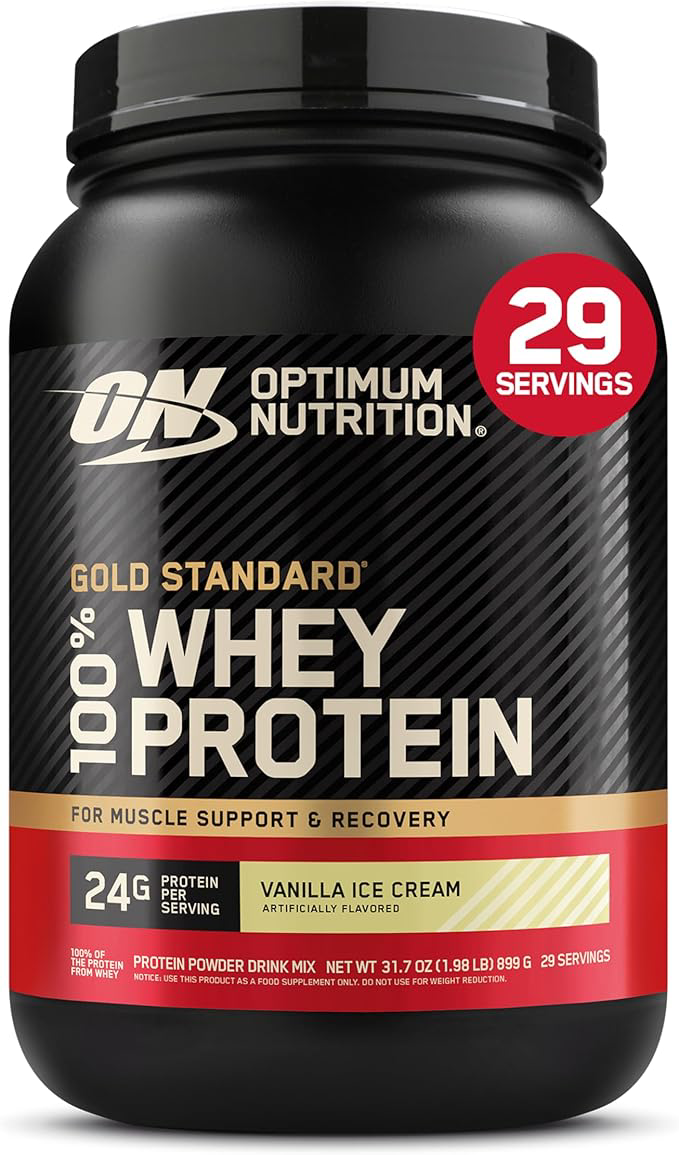
Oatmeal is a breakfast staple, and for good reason — it's rich in fiber and can help lower cholesterol. But it's not a protein-rich food on its own. A cup of cooked oats provides only about 5 to 6 grams of protein. If you're eating it with just water or milk and maybe a bit of fruit, you're starting your day with a carb-heavy meal that might leave you hungry in an hour. To make oatmeal a protein player, stir in a scoop of protein powder, a dollop of Greek yogurt, or top it with a poached egg for a savory twist.
6. Green Smoothies
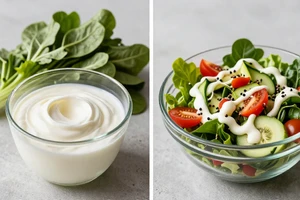
A green smoothie packed with spinach, kale, banana, and apple juice looks like liquid health. But without a solid protein source, that vibrant blend is mostly carbohydrates and water. Many green smoothies — especially from cafes or juice bars — contain only 2 to 5 grams of protein. They're refreshing and full of vitamins, but they won't keep you full for long. To turn your smoothie into a balanced meal, add a scoop of protein powder, a tablespoon of nut butter, or a serving of Greek yogurt. You'll still get your greens, plus the staying power your body needs.
What to Look For Instead
Being protein-aware doesn't mean you need to ditch any of these foods. It just means knowing where they fit in your overall diet. If you're pairing that granola with Greek yogurt, or adding a hard-boiled egg to your oatmeal, you're doing fine. But if you're relying on these foods as primary protein sources, you may be coming up short. Keep an eye on labels, look for whole-food protein sources, and remember: a food can be healthy without being high in protein — the key is knowing the difference.