We often focus on what we do during a workout—the reps, the miles, the form. But what we consume while we’re moving plays a surprisingly direct role in how our bodies feel, both during the effort and long after we’ve cooled down. For anyone who values smooth, pain-free movement, hydration isn’t just about quenching thirst; it’s a foundational part of caring for your joints and setting the stage for efficient recovery.
The right fluids can help maintain the synovial fluid that cushions your joints, transport nutrients to repair stressed tissues, and flush out metabolic byproducts that contribute to stiffness. It’s a simple, yet powerful, lever to pull for long-term mobility.
Why Your Drink Choice Matters for Joints
Think of your joints not as simple hinges, but as sophisticated hydraulic systems. Cartilage, the slick tissue at the ends of bones, is about 70-80% water. It relies on compression and release during movement to absorb nutrients and expel waste—a process that requires ample hydration. The synovial fluid inside the joint capsule, which reduces friction, is also primarily water-based.
When you’re dehydrated, this system suffers. Synovial fluid becomes less viscous, cartilage can become more brittle, and the transport system for rebuilding collagen and other connective tissues slows down. The result can be a feeling of creakiness, increased discomfort during movement, and a longer recovery window. Drinking during exercise helps maintain this internal environment in real-time, supporting lubrication and nutrient delivery precisely when your joints are under load.
What to Look for in a Workout Drink
For most people focused on joint mobility and recovery, your drink needs to accomplish three things: replace lost fluids, provide a modest source of energy for the working muscles (which indirectly supports joint stability), and offer electrolytes to maintain fluid balance.
Water is essential, and for shorter, less intense workouts (under 60 minutes of moderate effort), it’s often perfectly sufficient. But for longer or more strenuous sessions, or in hot conditions where sweat loss is high, you might need more.
The goal isn’t to flood your system, but to take in consistent, manageable amounts that match your sweat rate.
Electrolytes—primarily sodium, potassium, and magnesium—are minerals lost in sweat. Sodium, in particular, helps your body retain the fluid you’re drinking and stimulates thirst. A drink with a small amount of these can be more effective at rehydrating than plain water alone, especially for “salty sweaters” or sessions lasting over an hour.
A Note on Sugar
Carbohydrates in a drink serve as fuel. For a joint-focused regimen, you likely don’t need the high sugar concentration of a performance sports drink designed for elite athletes. A small amount of carbs (think 3-6 grams per 100ml) can help maintain energy levels without causing a spike and crash, which is beneficial for sustaining the muscle activity that protects your joints.
Practical Drink Options
Your best choice depends on the duration and intensity of your activity, as well as personal preference.
For Low-Intensity or Shorter Sessions (under 60 minutes):
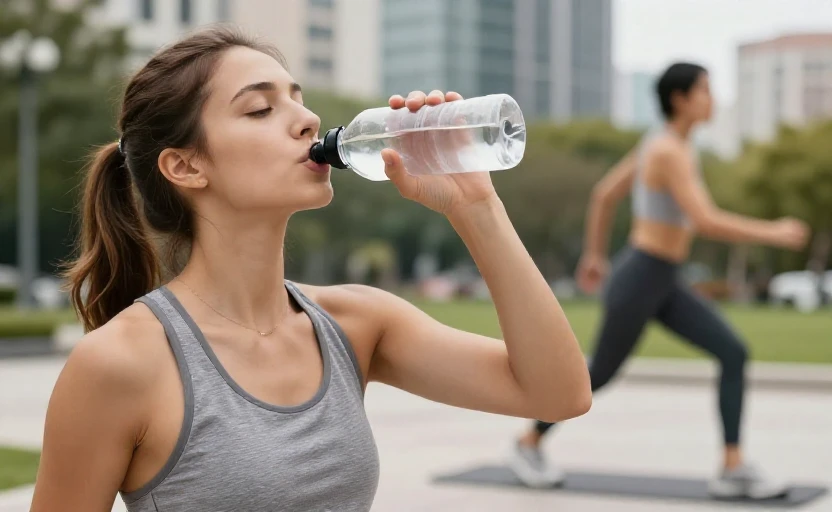
Plain, cool water is your friend. Sip 4-8 ounces every 15-20 minutes. If you enjoy a subtle flavor that might encourage you to drink more, consider adding a squeeze of lemon or a slice of cucumber.
For Moderate to High-Intensity or Longer Sessions (60+ minutes):
Here, an electrolyte-enhanced drink becomes more valuable. You have a few good options:
- Homemade electrolyte drink: Mix water with a pinch of high-quality sea salt and a splash of 100% fruit juice (like tart cherry or orange) for flavor and a touch of potassium.
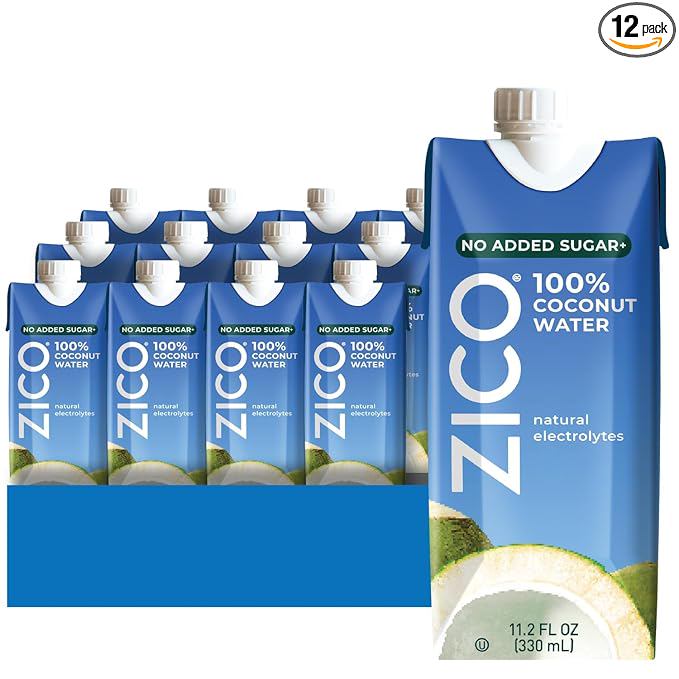
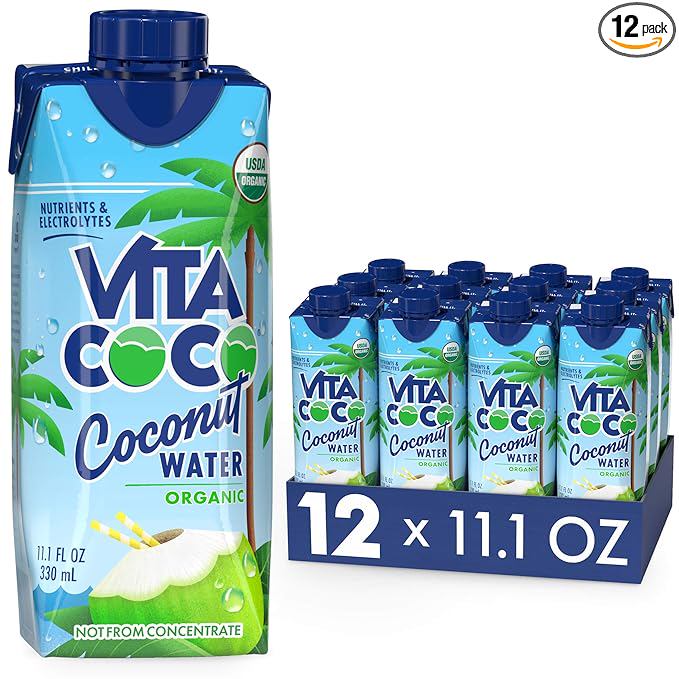
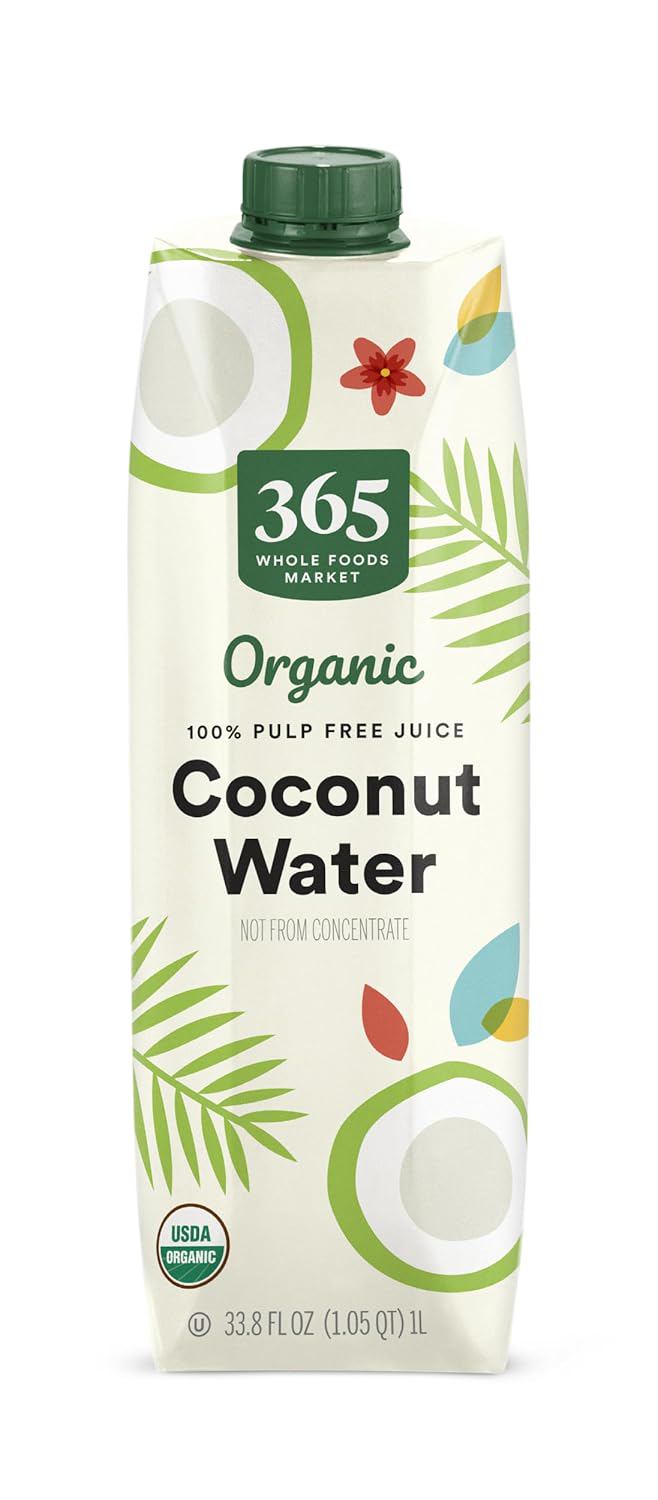
- Coconut water: A natural source of potassium and magnesium. Choose an unflavored, no-sugar-added variety, as it’s lower in carbohydrates than commercial sports drinks.
- Commercial hydration mixes or tablets: Look for ones with a sensible electrolyte profile (sodium, potassium, magnesium) and low or no added sugar. These allow for easy customization of strength.
The Anti-Inflammatory Angle
Some ingredients are studied for their potential to support recovery by modulating inflammation. While you shouldn’t expect a miracle from your water bottle, incorporating them can be a thoughtful part of a holistic approach.
Tart cherry juice concentrate, when diluted in water, is rich in antioxidants called anthocyanins. Research suggests it may help reduce post-exercise muscle soreness and inflammatory markers. A small amount (1-2 ounces) mixed into a large bottle of water during or after your workout could be beneficial.
Green tea (cooled) offers catechins, which also have antioxidant properties. Sipping on unsweetened, cooled green tea during a lower-intensity session provides gentle hydration with these compounds.
It’s wise to test these during training, not on a key workout or event day, to see how your stomach tolerates them.
Timing and Quantity
How you drink is as important as what you drink. Gulping a huge volume at once can lead to discomfort and isn’t efficiently absorbed.
- Before: Start hydrated. Drink 16-20 ounces of water or an electrolyte beverage in the hour or two before you begin.
- During: Aim for 4-8 ounces every 15-20 minutes. Listen to your body and adjust for heat and sweat loss. If you finish your workout with your bottle still mostly full, you likely didn’t drink enough. If you experience sloshing or discomfort, you may be drinking too much too fast.
- After: Replenish what you’ve lost. Weighing yourself before and after exercise can give a concrete goal: drink 20-24 ounces of fluid for every pound lost.
What to Limit or Avoid
Some beverages can work against your goals for joint mobility and recovery.
Sugary sodas and commercial energy drinks provide empty calories, can cause energy crashes, and may promote an inflammatory response due to their high fructose content and additives.
Excessive caffeine from strong coffee or pre-workouts can have a diuretic effect, potentially contributing to fluid loss if consumed in large quantities without adequate water.
Alcoholic beverages are profoundly dehydrating and interfere with protein synthesis and nutrient absorption, directly hampering the recovery process.
Your workout is an investment in your body’s strength and longevity. Choosing a thoughtful hydration strategy is a simple way to protect that investment, ensuring your joints are supported from the inside out. By focusing on consistent, electrolyte-balanced fluids, you’re not just powering through your session—you’re actively nourishing the very systems that allow you to move freely, today and for years to come.