You have your playlist queued, your sneakers laced, and your plan set. But what about your bottle? What you sip between sets or on a long run can feel like a minor detail, but it directly impacts whether your last rep looks like your first—or whether you hit the wall before the cooldown. The goal isn't just to tame thirst; it's to keep your form sharp and your energy steady so fatigue doesn't sabotage your effort.
Water first, always
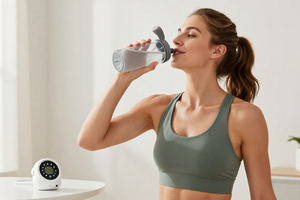
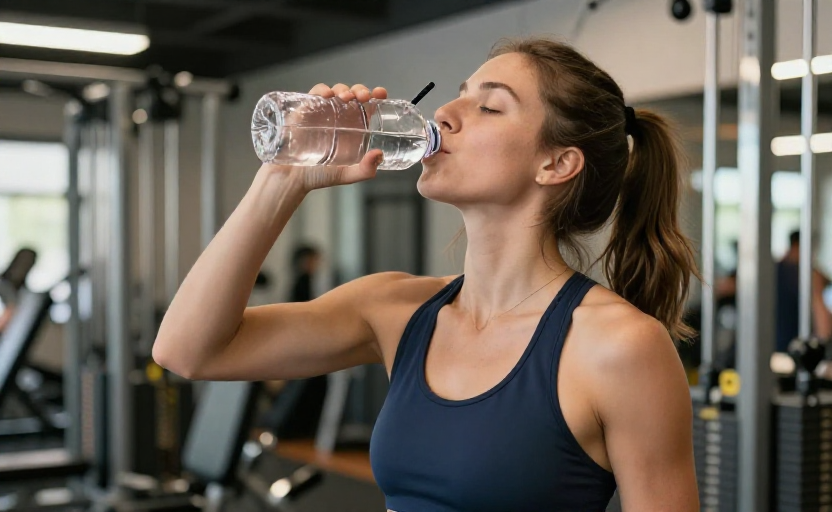
For most workouts under 60 minutes, plain water is your best choice. It moves through your system quickly, hydrates cells, and helps regulate body temperature. When you sweat, your blood volume can drop slightly, forcing your heart to work harder. Staying on top of water intake delays that drift and helps you maintain coordination. Sip every 10 to 15 minutes rather than chugging a full bottle at once—steady pacing keeps your stomach settled and your electrolyte balance more stable.
When plain water isn't enough
If your session pushes past an hour, the temperature is high, or you're drenched in sweat, water alone may leave you short. Sodium, potassium, and a small amount of carbohydrate become relevant. A well-formulated sports drink (look for something around 20–30 grams of sugar and 300–400 mg of sodium per liter) can help replace what you lose and keep your muscles firing. The sugar here isn't a treat; it's a rapid fuel source for active muscles and your brain. When your brain runs low on glucose, perceived effort skyrockets and form suffers.
Electrolyte additives and powders
If you dislike the sweetness of standard sports drinks, unflavored electrolyte powders or tablets are a clean alternative. Drop one into your bottle—you get the sodium and potassium without extra sugar. This works especially well for steady-state endurance work where you don't need the carbohydrate boost. For high-intensity intervals or heavy lifting, add a small amount of real fruit juice or a teaspoon of honey to give your body a quick glucose option.
A trick from the pros: salt your water if you're a heavy sweater and your session is in the heat. A tiny pinch of salt in a 20-ounce bottle can prevent the muscle cramping that cuts your workout short.
What about coconut water?
Coconut water is marketed as nature's sports drink, and it does contain potassium. But its sodium content is low—often under 30 mg per cup—and most people lose more sodium than potassium in sweat. It can work as part of a hydration plan, but it's not a direct replacement for a balanced electrolyte drink during longer or hotter workouts. If you like the taste, consider mixing it with a pinch of salt and a squeeze of lemon.
Skip these during exercise
Some drinks sound smart but work against you mid-workout. High-sugar energy drinks (think 25 grams of sugar per 8 ounces) can spike your blood sugar and then drop it, leaving you sluggish. Carbonated beverages, including sparkling water, can cause bloating and discomfort when you're moving. Caffeinated pre-workout formulas have their place before you start, but drinking them throughout a session may overstimulate your heart rate and mask fatigue signals, increasing injury risk. Plain coffee or tea is best reserved for pre-workout, not during.
Listen to your thirst and your performance
Hydration isn't one-size-fits-all. Your sweat rate, humidity, and workout type all matter. Weigh yourself before and after a hard session—if you've lost more than 2% of your body weight, you likely under-drank. If you gained weight, you over-drank (and may have diluted your sodium levels). The sweet spot leaves you feeling refreshed, not sloshing. If you notice your pace dropping, your form breaking down, or your grip weakening, check your bottle before you blame your muscles.
Your fluid choice during a workout is a tool, not a treat. Pick what keeps you moving steadily, not what tastes best in the moment.
The right drink doesn't just keep you going—it helps every rep count. Stay consistent, stay smart, and let your performance tell you if you got it right.