Rolling out of bed at 5:30 AM is hard enough without wondering if your pre-workout fuel is setting you up for a crash. As a dietitian who has coached hundreds of early-morning exercisers, I know the line between a great session and a slog often comes down to what you drink in those first foggy minutes.
Hydration status tanks overnight—you lose water through respiration and perspiration while you sleep—so morning workouts arrive on an empty tank. The right beverage can replenish fluids, top off glycogen, and give your central nervous system a nudge without overloading your stomach. Here is exactly what to reach for, based on exercise science and practical experience.
Why morning hydration is non-negotiable
Even mild dehydration—a fluid loss of just 1–2 percent of body weight—can reduce endurance, increase perceived effort, and impair coordination. After six to eight hours of sleep, most people wake up mildly dehydrated. Drinking 8–16 ounces of fluid before you move is the simplest performance boost you can give yourself.
The catch: plain water is fine for a 30-minute light jog, but if your session exceeds 45 minutes or involves high-intensity intervals, you need something with electrolytes and carbohydrates. That does not mean a sugary energy drink. It means strategic choices that support fuel delivery without sloshing.
Black coffee: the metabolic edge
Coffee is a morning workout staple for good reason. Caffeine blocks adenosine receptors, which reduces perception of effort and fatigue—meaning that hill sprint feels more manageable. For fasted morning aerobic work (think steady-state cardio under 60 minutes), black coffee can enhance fat oxidation and preserve muscle glycogen.
Stick to one cup (roughly 100–150 mg caffeine) about 30 minutes before exercise. Skip the cream and sugar; dairy fat can slow gastric emptying, and extra sugar is unnecessary when your body can mobilize stored fuel. If you are prone to coffee jitters or have a sensitive stomach, opt for a lower-acid cold brew or half-caff blend. For afternoon or evening workouts, swap coffee for green tea or matcha—same gentle caffeine lift, less sleep disruption.
“Coffee before a morning workout can reduce perceived effort by 10–15 percent, which may be the difference between finishing strong and cutting your run short.”
Water with electrolyte powder
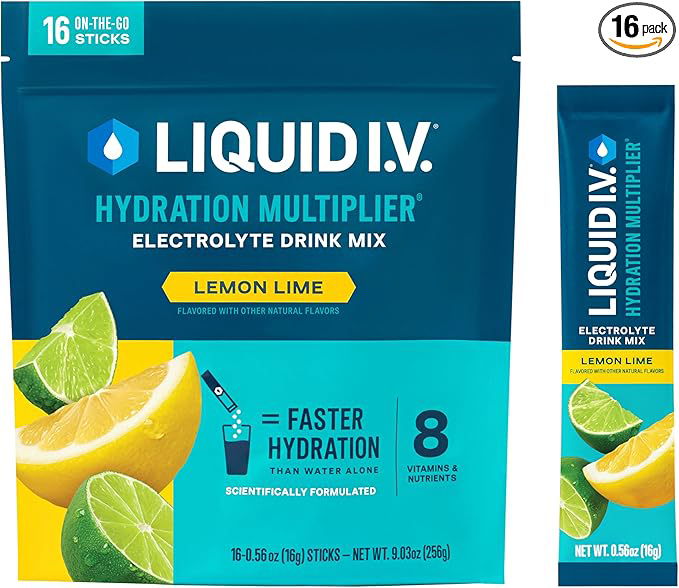
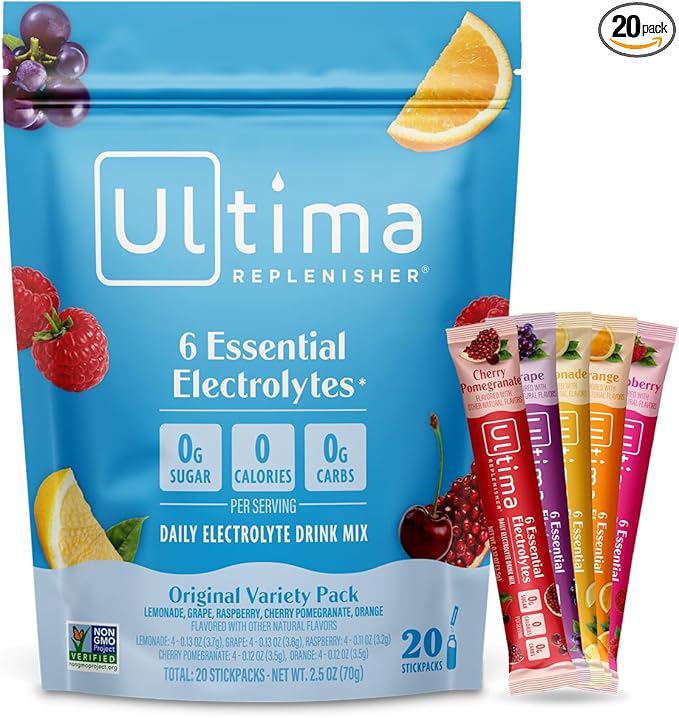
If caffeine makes you anxious or you are a heavy sweater, a simple electrolyte drink outperforms plain water. Look for a powder that contains sodium (300–500 mg per serving), potassium (100–200 mg), and magnesium (50–100 mg). Sodium is particularly crucial for early sessions: overnight, your body naturally excretes more sodium in urine, and starting with low blood sodium can lead to early cramping and lightheadedness.
Mix one serving into 16 ounces of water and sip it during your drive to the gym or while you stretch. Avoid electrolyte blends with more than 10 grams of sugar—those are formulated for ultra-endurance events, not a 45-minute circuit class.
I personally recommend citrus-based electrolytes; the tartness is refreshing without being cloying, and it pairs well with an empty stomach.
Beetroot juice: the vasodilation hack
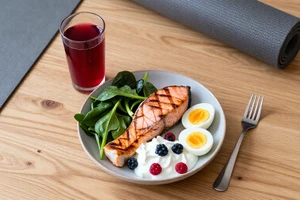
Beetroot juice has moved from fad to legitimate ergogenic aid for endurance and high-intensity interval training. The mechanism is compelling: dietary nitrates in beets convert to nitric oxide, which relaxes blood vessels and improves oxygen delivery to working muscles. In studies, athletes who consumed beetroot juice 90–120 minutes before exercise saw a 2–5 percent improvement in time to exhaustion and reduced oxygen cost during submaximal effort.
For morning use, drink 8–12 ounces of straight beet juice or a concentrated shot two hours before your workout. That timing works if you wake up early enough to have it with breakfast. If you cannot stomach the earthy flavor, beet powder mixed into water works similarly—just check that it is nitrate-rich, not sweetened as a “superfood” juice blend. Beet juice is not for everyone; it can cause harmless urine discoloration (reddish), and some people experience gastrointestinal bloating. Test it on a rest day first.
Milk or a plant-based protein shake
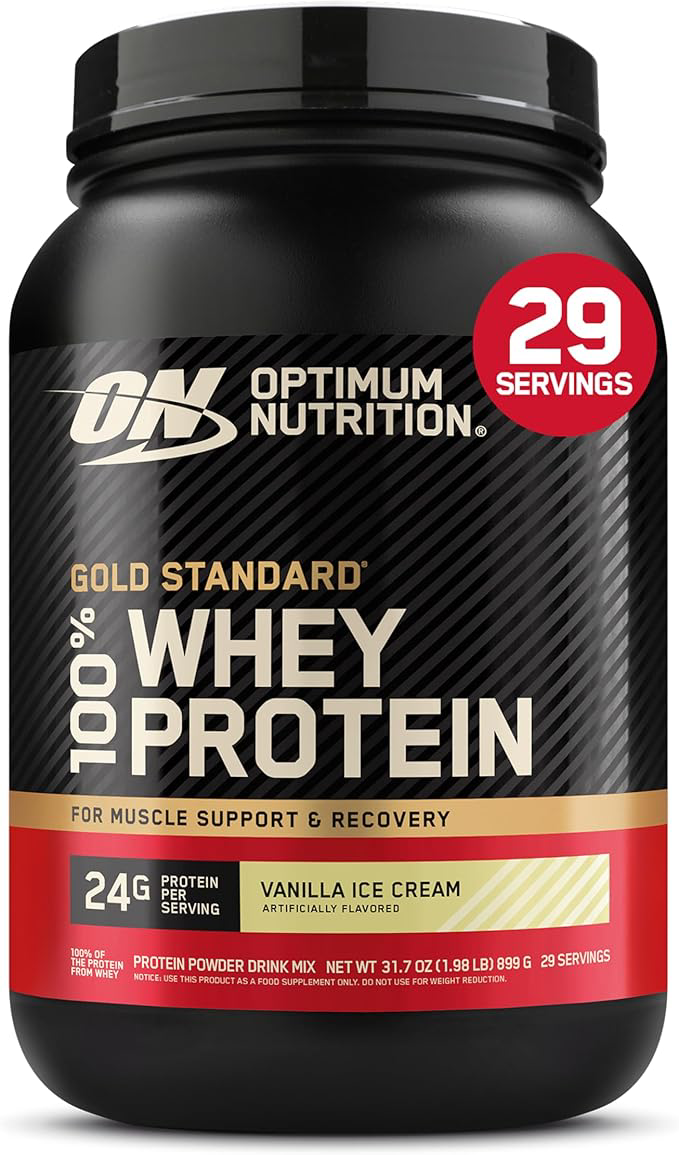
For strength-focused mornings—heavy squats, deadlifts, or a push-pull circuit—your muscles need amino acids circulating before the first rep. A small protein-containing fluid, such as an 8-ounce glass of milk or a half-scoop of protein shake in water, provides a rapid stream of leucine to spark muscle protein synthesis without bogging you down.
Dairy milk naturally contains casein and whey, a one–two punch of fast- and slow-digesting proteins. Unsweetened soy milk works well for plant-based athletes because it has a complete amino acid profile. Keep it lean: whole milk or full-fat coconut milk can cause gastric distress during high-impact movement. Stick to skim or low-fat dairy, or protein powder mixed with water—not a meal-replacement shake.
Timing matters here, too: drink your shake 15–30 minutes before you lift to avoid splashing.
What to avoid before morning workouts
- Fruit-heavy smoothies. A 20-ounce smoothie with banana, mango, and juice can deliver 50+ grams of sugar. That volume and sugar load can trigger reactive hypoglycemia—a blood sugar spike followed by a mid-workout crash.
- Sports drinks. Unless you are training for an hour or longer in hot conditions, the sugar content (often 21–28 grams per serving) is overkill for a morning sweat session and can irritate your gut.
- Carbonated beverages. Seltzer, soda, and sparkling water cause gas and bloating when your stomach is jostled by running or burpees. Save the bubbles for your desk later.
- More than 200 mg caffeine. High doses can increase heart rate variability and anxiety during exercise. Two cups of coffee is likely too much; stick to one.
Putting it together: a sample morning workout fueling plan
Here is how I guide clients to layer these drinks based on session type:
If you are doing steady-state cardio (30–60 minutes):
Wake up, drink 12 ounces of water immediately. Then have one black coffee 20–30 minutes before you head out the door. That is all you need—your body has enough glycogen stored for a moderate aerobic hour.
If you are doing high-intensity intervals or a CrossFit-style workout:
Drink 8 ounces of water with an electrolyte powder upon waking. 15 minutes before class, consume 4–6 ounces of beetroot juice or a half-scoop of protein shake. Skip the coffee if you are anxious; the combination of caffeine and high heart rate can feel jittery.
If you are lifting heavy (strength-focused session):
Start with 8 ounces of water. Then have 8 ounces of low-fat milk or a protein shake (about 20 grams protein) 15 minutes before you hit the rack. A small banana is optional if you feel flat—30 grams of quick carbs can help power through a final rep.
The bottom line
What you drink before a morning workout is not about chasing a magic potion. It is about covering three basics: fluids you lost overnight, electrolytes to keep your nervous system firing, and a small energy signal so your body knows it is time to perform. Start with water, add caffeine or nitrates based on your session demands, and always test new drinks on a rest day. Your morning workout should leave you energized for the rest of the week, not dragging at nine AM.