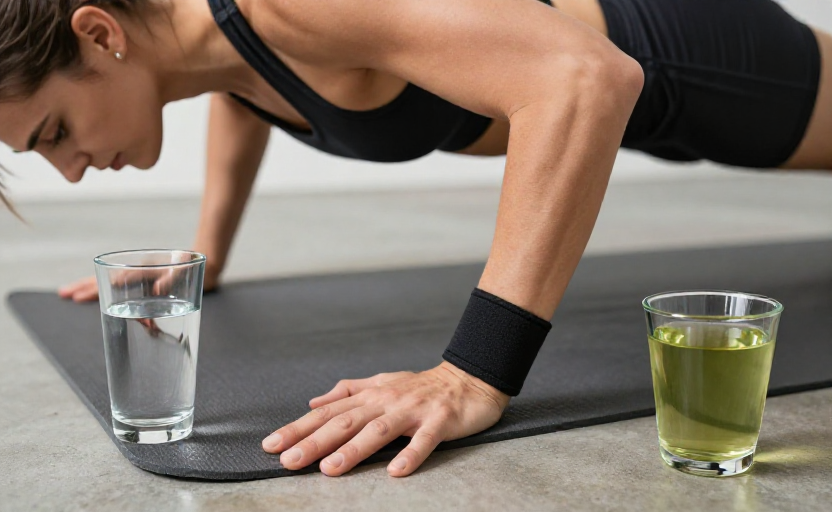
Wrist pain during or after a workout can pull focus from your training and slow down recovery. While factors like form, wrist support, and mobility work are key, what you drink can also play a role in managing strain and supporting tissue resilience. Hydration status and certain nutrients affect joint lubrication, inflammation, and how well your tendons and ligaments tolerate repeated stress.
This article covers targeted beverage choices and timing strategies to help reduce wrist strain, so you can train more comfortably and recover more effectively.
Why hydration matters for wrist health
Your wrist joints rely on synovial fluid for smooth, low-friction movement. This fluid is mostly water. Even mild dehydration can reduce joint lubrication, making tendons and ligaments more prone to irritation during high-repetition or weight-bearing exercises like push-ups, planks, or kettlebell swings.
Chronically low fluid intake can also decrease the elasticity of tendons and ligaments, increasing the risk of strain. Drinking enough water throughout the day — not just around your workout — supports the connective tissue that stabilizes your wrists.
What to drink before a workout to prepare your wrists
Pre-workout hydration should start 1–2 hours before you train. The goal is to support blood flow and joint readiness without causing bloating or discomfort.
Plain water with electrolytes
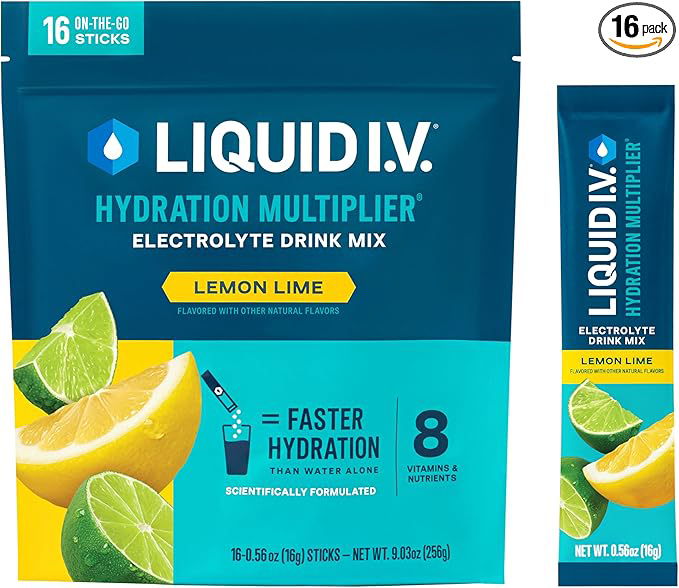
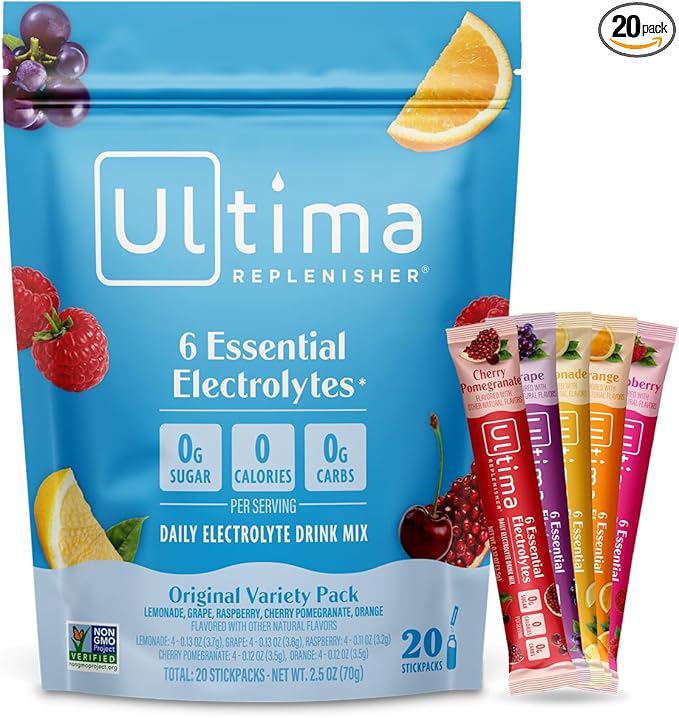
Water alone can work, but adding a pinch of salt or an electrolyte tablet helps your body retain fluids. Sodium, potassium, and magnesium all support nerve signaling and muscle function. For wrist health, magnesium deserves special attention because it plays a role in muscle relaxation and inflammation control. A magnesium-rich electrolyte drink before training may reduce tension in the forearm muscles that attach near the wrist.
Tart cherry juice
Tart cherry juice is one of the few beverages with solid research behind its anti-inflammatory effects. The anthocyanins in tart cherries can reduce oxidative stress and muscle soreness after demanding exercise. Drinking a small glass (about 8 ounces) 30–60 minutes before your workout may help blunt the inflammatory response in stressed wrist tissues, particularly if you are doing high-repetition grip work or bearing weight on your hands.
Green tea
Green tea provides a modest amount of caffeine for focus and a group of antioxidants called catechins. EGCG, the main catechin in green tea, has been shown to reduce markers of inflammation and support tendon health in animal models. While human research on wrist strain is limited, a cup of green tea 30 minutes before training offers a gentle anti-inflammatory boost without the overstimulation of strong pre-workout formulas.
Quick tip: Avoid sugary sports drinks before training — they can spike blood sugar and promote systemic inflammation, which may exacerbate joint sensitivity.
What to drink after a workout to soothe strained wrists
The post-workout window is your chance to rehydrate, provide building blocks for repair, and calm any inflammation that has built up during training.
Water with collagen peptides
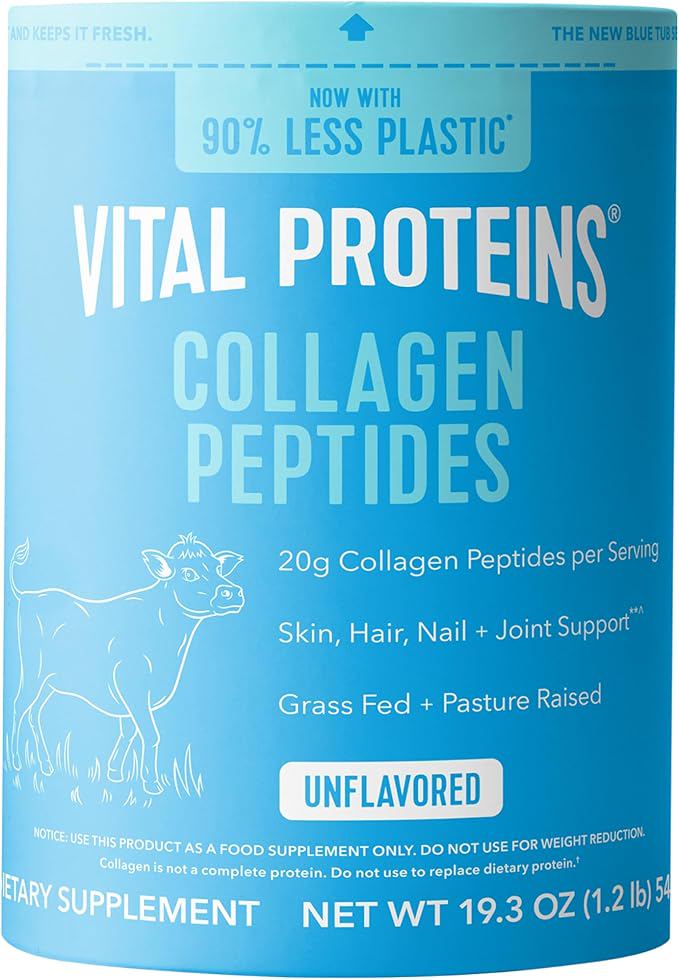
Collagen is the main structural protein in tendons and ligaments. Supplementing with collagen peptides after exercise, especially when combined with vitamin C, may support the body's natural repair of connective tissue. Mix a scoop of unflavored collagen powder into your water or tea post-workout. Research suggests collagen supplementation works best when taken 30–60 minutes after exercise, alongside adequate protein intake.
Bone broth
Bone broth contains gelatin, glycine, and proline — amino acids that support joint and connective tissue health. It also provides small amounts of minerals like calcium, magnesium, and phosphorus. Sipping warm bone broth after a workout can be a soothing, nutrient-dense way to rehydrate while supplying raw materials for tendon and ligament recovery. Choose a low-sodium version if you are watching your salt intake.
Turmeric or ginger tea
Both turmeric and ginger contain bioactive compounds (curcumin and gingerol) that reduce inflammation through multiple pathways. A warm cup of turmeric tea with a pinch of black pepper (which enhances curcumin absorption) or fresh ginger tea after your workout can help calm low-grade inflammation in your wrists. This is especially helpful if you notice aching or stiffness after wrist-intensive workouts.
Drinks to limit or avoid when managing wrist strain
Some beverages can work against your efforts to reduce inflammation and support tissue repair. Limiting these around your workouts may help your wrists feel better over time.
- Alcohol: Alcohol is dehydrating and pro-inflammatory. It can impair protein synthesis and slow down connective tissue repair. If you drink, keep it to moderate amounts and separate it from your workout window by several hours.
- High-sugar sodas and energy drinks: Excess sugar promotes advanced glycation end products (AGEs), which stiffen collagen and weaken tendons. Frequent consumption may reduce the resilience of your wrist ligaments.
- Excess caffeine: While modest caffeine can enhance performance, very high doses (over 400 mg) can increase muscle tension and reduce blood flow to peripheral tissues, potentially worsening wrist discomfort.
General guideline: If a drink makes you feel jittery, bloated, or overly stimulant-heavy, it is likely not helping your wrist recovery.
Practical beverage schedule for active days
Here is a simple timeline to integrate these drinks into your routine without overcomplicating things.
- 1–2 hours before workout: 16–20 ounces of water with electrolytes or 8 ounces of tart cherry juice.
- 30 minutes before workout: A small cup of green tea (optional).
- During workout: Sip plain water as needed. Avoid large volumes during exertion to prevent stomach upset.
- Right after workout: 16–20 ounces of water with collagen peptides, or a mug of bone broth.
- Evening: A cup of turmeric or ginger tea to wind down and support overnight recovery.
This framework is flexible. Pick the drinks that fit your tolerance, preferences, and schedule. The key is consistent hydration and targeted anti-inflammatory support around your training sessions.
When wrist strain needs more than what you drink
Hydration and nutrition can support recovery, but they are not substitutes for proper exercise technique, rest, or medical care. If wrist pain is sharp, persistent, or accompanied by swelling, numbness, or weakness, consult a healthcare provider. Conditions like wrist tendonitis, carpal tunnel syndrome, or ligament sprains require individualized care beyond dietary adjustments.
Think of smart hydration as one tool in a larger kit that includes mobility drills, proper wrist positioning during exercises, and adequate rest between sessions.