You crushed your workout. Your muscles feel worked, your heart rate is coming down, and you know you should refuel. But if a familiar ache is settling into your lower back, you might be wondering if what you drink could actually help loosen that stiffness — not just rehydrate you.
The short answer is yes. After frequent training, your lower back endures compound stress from movements like squats, deadlifts, running, and even core work. Inflammation and muscle tension in that area respond to smart fluid choices. What you pour into your glass matters just as much as your cool-down stretches.
Why Your Lower Back Gets Stiff After Frequent Workouts
Repetitive loading through the spine, hip flexors, and glutes can create micro-inflammation in the lumbar soft tissues. Your back muscles work overtime to stabilize you, especially if your hips are tight. Combined with dehydration — which reduces blood flow and nutrient delivery — this sets the stage for stiffness that lasts long after your cool-down.
Drinking the right fluids helps by reducing systemic inflammation, replenishing electrolytes, and supporting muscle relaxation directly. It is not about a magic cure. It is about giving your body the tools it needs to recover faster.
1. Tart Cherry Juice
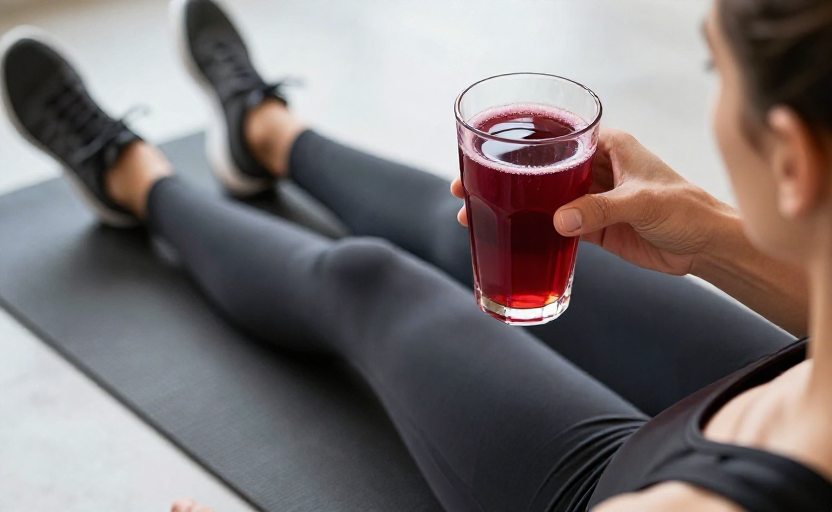
Tart cherry juice is one of the best-researched options for active recovery. It contains anthocyanins — anti-inflammatory compounds that have been shown to reduce muscle soreness and lower markers of exercise-induced inflammation. For lower back stiffness specifically, tart cherry juice may help dial down the low-grade inflammation that keeps your lumbar area feeling tight.
Look for unsweetened varieties or tart cherry juice concentrate that you can dilute with water. Start with about 8 to 10 ounces after your most intense workouts. The natural tartness can be a nice palate shocker, but it signals high-quality antioxidants.
Tip: If you find pure tart cherry juice too sharp, mix it with a splash of ginger juice or a pinch of cinnamon. Both are mild anti-inflammatory additions.
2. Electrolyte-Infused Water (With Magnesium)
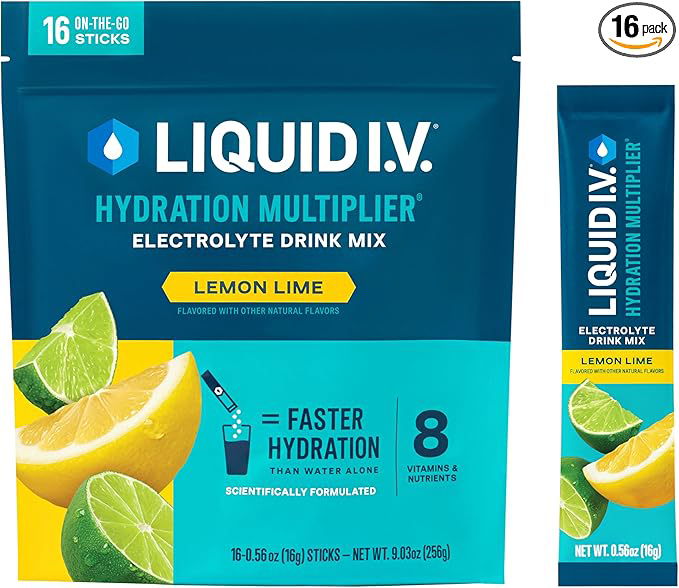
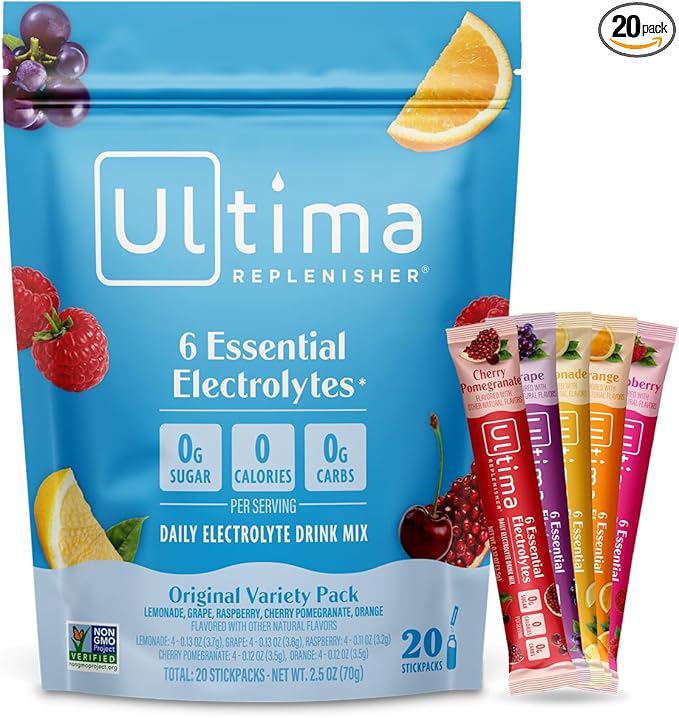
Standard water does an excellent job of rehydrating, but if you sweat heavily during frequent workouts, you are losing magnesium, potassium, and sodium. Magnesium is especially important for your lower back because it regulates muscle relaxation. A magnesium deficiency can contribute to muscle cramps, spasms, and persistent tension in the lumbar region.
Choose an electrolyte drink that lists magnesium citrate or magnesium glycinate in its ingredients — ideally with at least 50 to 100 mg per serving. Avoid products with added sugar, artificial colors, or exotic stimulants. Plain electrolyte tablets, a pinch of sea salt, and a squeeze of lemon in your water also work if you want a DIY approach.
3. Green or Mint Tea (Caffeine Optional)
Warm fluids can soothe tight back muscles by promoting vasodilation — widening your blood vessels and improving circulation. Green tea offers a modest dose of antioxidants called catechins that combat exercise-related oxidative stress. It has less caffeine than coffee, which means it is less likely to interfere with nighttime recovery if you work out in the evening.
Peppermint tea is another excellent choice. Menthol acts as a natural muscle relaxant and mild analgesic. Sipping warm mint tea after a tough lower-body session can help release the tension that often anchors in your lower back. If you prefer a cooler option, iced mint tea with a splash of tart cherry juice combines two recovery strategies in one glass.
4. Bone Broth (For Collagen and Glycine)
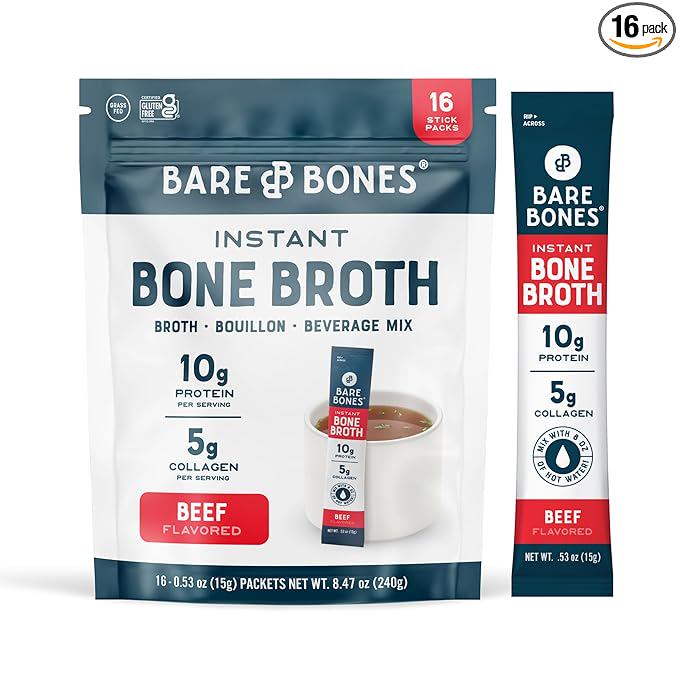
Bone broth is not just a trendy sipper. It naturally contains glycine and proline — amino acids that support connective tissue repair and lower inflammation. Glycine also helps improve sleep quality, which directly affects recovery from lower back stiffness. A cup of warm, unsalted bone broth after your workout provides fluid, protein, and compounds that target the ligaments and fascia around your spine.
Look for brands that list bone broth as the only ingredient — no added flavors or yeast extract. Chicken or beef both work, and you can season it lightly with black pepper and turmeric for extra anti-inflammatory benefit.
What to Avoid Drinking After Workouts for Back Stiffness
Your choices matter here, too. Some popular post-workout beverages can actually make lower back stiffness worse:
- Sugary sports drinks – High sugar content spikes insulin and can increase inflammatory markers. Stick to low-sugar electrolyte options.
- Alcohol – Alcohol disrupts sleep cycles, dehydrates tissues, and raises cortisol levels — all of which amplify muscle tension and stiffness in the lower back.
- Avoid carbonated caffeinated energy drinks – The combination of high caffeine, excess sodium, and carbonation can irritate the nervous system and delay the parasympathetic shift needed for muscle recovery.
Putting It Together: A Practical Post-Workout Routine
You do not need to drink all four of these every day. A simple strategy is to rotate based on what you have on hand and how you feel:
- Immediately after your workout: 8–12 oz of electrolyte water with magnesium.
- Within 30 minutes: a cup of tart cherry juice (or tart cherry plus mint tea).
- An hour later or with a meal: a small cup of warm bone broth if you feel tension building.
Listen to your body. Over several days of consistent use, you may notice that the stiffness that used to linger into the evening fades much sooner. The goal is not to numb the area — it is to support the body's natural repair mechanisms through intelligent nutrition.
Reminder: If lower back pain is sharp, radiates down your leg, or does not improve with rest and hydration, consult a physical therapist or healthcare professional to rule out disc issues or other underlying conditions.