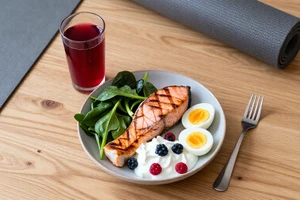
You’ve just finished a tough session. Your muscles are humming, your shirt is damp, and you’re feeling that satisfying mix of fatigue and accomplishment. What you reach for next isn’t just about quenching your thirst—it’s a strategic choice that can influence how quickly you recover, how well you adapt, and how ready you’ll feel for your next effort. The right post-workout drink supports your body’s natural repair processes, helping you get the most out of the work you just put in.
Fitness experts emphasize that recovery nutrition isn’t one-size-fits-all. The ideal drink depends on the intensity and duration of your workout, your goals, and even the conditions you trained in. But by understanding a few core principles, you can make an informed choice that turns your post-exercise ritual into a powerful part of your fitness routine.
What Your Body Needs After Exercise
During a workout, you deplete energy stores, create microscopic tears in muscle fibers, and lose fluid and electrolytes through sweat. Recovery is the process of reversing that stress. The right beverage addresses three primary needs: rehydration, refueling, and repair.
Rehydration is always priority number one. Even mild dehydration can prolong feelings of fatigue, hinder muscle function, and slow the transport of nutrients. Simply replacing the water you’ve lost is a fundamental step.
Refueling focuses on replenishing glycogen, the stored form of carbohydrates in your muscles and liver. This is especially important after endurance sessions or high-intensity training that taps deeply into these reserves.
Repair involves providing amino acids—the building blocks of protein—to help mend and rebuild muscle tissue. This is key for strength adaptation and growth.
The goal is to support your body’s innate recovery systems, not to complicate them. Often, the simplest choice is the most effective.
Expert-Recommended Recovery Drink Options
With those needs in mind, let’s look at the beverages most commonly recommended by trainers, sports dietitians, and exercise physiologists.
Water: The Essential Foundation
For light to moderate workouts under an hour, especially in cool conditions, plain water is frequently all you need. It perfectly addresses the core need for rehydration without adding unnecessary calories or ingredients. The key is drinking enough—a good rule of thumb is to consume 16-24 ounces for every pound of body weight lost during exercise. If you didn’t weigh yourself, drinking until your urine is pale yellow is a reliable indicator.
Electrolyte-Enhanced Waters or Sports Drinks
When your workout is long (over 60-90 minutes), intensely sweaty, or performed in hot and humid conditions, you lose significant electrolytes—primarily sodium and potassium. These minerals are crucial for fluid balance and nerve function.
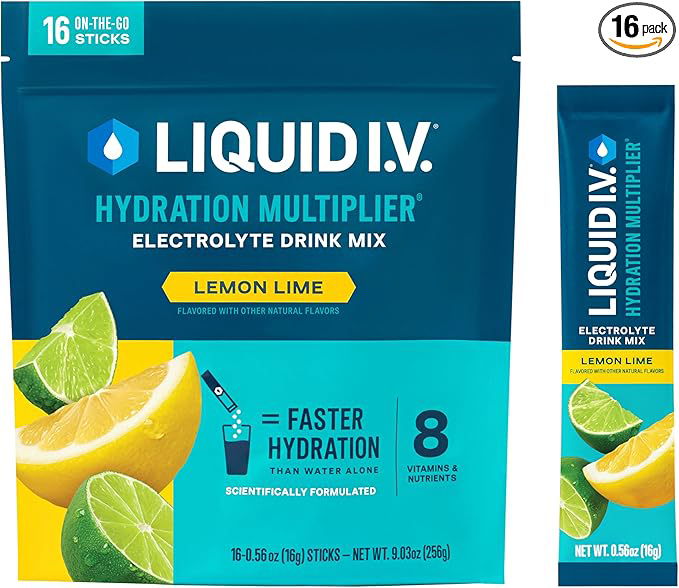
- Low-sugar electrolyte drinks or tablets are excellent for rehydration without a large carbohydrate load. They’re ideal for shorter but very sweaty sessions or for those simply focusing on hydration.
- Traditional sports drinks containing carbohydrates (usually 6-8% solution) serve a dual purpose: they replace fluids and electrolytes while also delivering fast-acting carbs to start refueling glycogen stores. Experts often recommend these for endurance athletes or anyone doing prolonged, vigorous activity.
Chocolate Milk: The Classic Contender
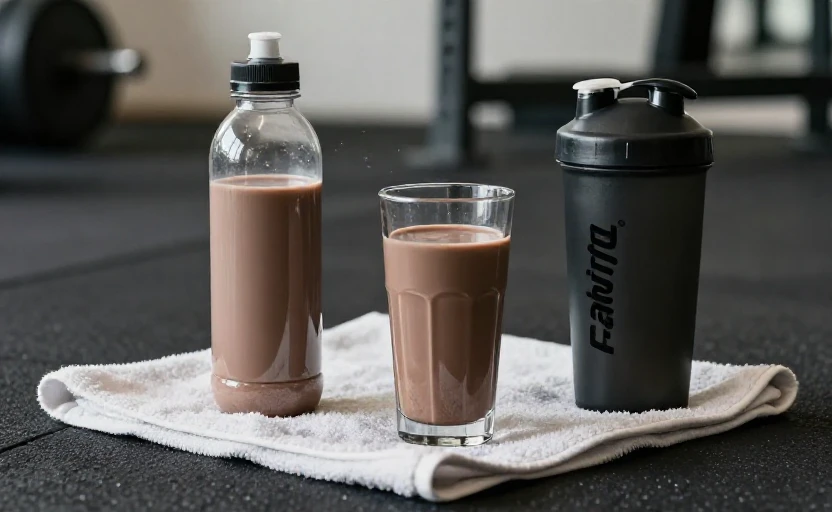
It’s not an old wives’ tale. Low-fat chocolate milk consistently appears in recovery research and expert recommendations because it naturally hits several targets. It provides a blend of fast- and slow-digesting carbohydrates (from the lactose and added sugar) to refuel, high-quality protein (from the milk) for repair, and fluids and electrolytes (like sodium, potassium, and calcium) for rehydration. Its taste and accessibility also make it a practical choice many people will actually consume.
Protein Shakes and Smoothies
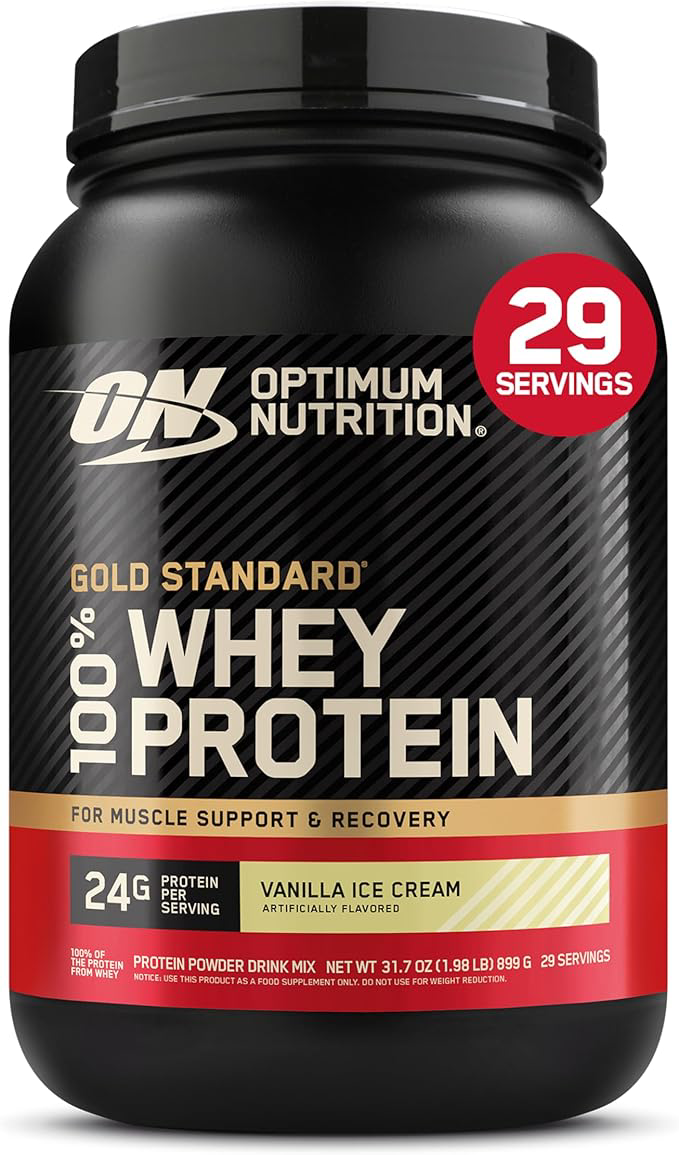
For those focused on muscle building or recovery from heavy strength training, a shake can be convenient. The protein supports muscle protein synthesis. Experts suggest combining a protein source (like whey, pea, or soy powder) with a carbohydrate source (like fruit, juice, or oats) for a more comprehensive recovery profile. A homemade fruit-and-yogurt smoothie, for example, achieves this blend naturally.
Timing matters, but it’s a window, not a split-second. Aim to consume your recovery drink within 30 to 60 minutes post-exercise for optimal benefit, but don’t stress if it takes a little longer.
Tart Cherry Juice
This has gained attention in the athletic community for its anti-inflammatory and antioxidant properties, primarily from compounds called anthocyanins. Some studies suggest tart cherry juice can help reduce post-exercise muscle soreness and speed strength recovery. It’s often recommended as a small, concentrated shot (4-8 ounces) rather than a large volume drink.
Green Tea
While not a primary rehydration or refueling choice, unsweetened green tea is noted by experts for its catechin antioxidants. These compounds may help modulate exercise-induced inflammation. It’s a calming, hydrating option to enjoy alongside or after your main recovery beverage, particularly on lighter training days.
What to Consider When Choosing Your Drink
Your individual context should guide your choice. Ask yourself these questions:
- How intense and long was my workout? A brisk 30-minute walk has vastly different recovery demands than a two-hour cycling session or heavy weightlifting.
- What are my goals? Is the priority general fitness, endurance performance, muscle growth, or weight management? Your goal influences whether you need extra carbs, more protein, or just hydration.
- What’s next? If you have another hard workout or competition later the same day, aggressive refueling becomes more critical. If you have a rest day ahead, your needs are lower.
- What does my body tolerate well? Some people feel better with easily digestible liquids post-workout, while others prefer whole food. Listen to your gut.
Common Post-Workout Drink Mistakes to Avoid
Even with good intentions, it’s easy to slip up. Experts commonly point out these pitfalls:
Skipping hydration altogether. Don’t let busyness get in the way of this basic step. Keep a water bottle handy.
Choosing sugary drinks that lack nutrients. A soda might provide carbs and fluid, but it offers none of the protein, electrolytes, or antioxidants that aid recovery. It’s an empty choice.
Overcomplicating it. You don’t necessarily need a supplement-laden, expensive proprietary mix. Whole foods and simple beverages often work just as well or better.
Ignoring sodium after heavy sweating. If you’re a salty sweater or exercised for a long time, plain water alone may not fully rehydrate you. You need to replace sodium as well.
Ultimately, the best post-workout drink is the one that effectively meets your body’s needs for your specific activity and that you’ll consistently enjoy drinking. Consistency in recovery is what leads to long-term progress. By making an informed choice, you’re not just ending your workout—you’re investing in the next one.