
Crossing the finish line or untying your shoes after a solid run feels great, but the real work for your body is just beginning. The first thirty minutes are a prime window for recovery, and what you drink during that time can significantly influence how your muscles feel tomorrow. The right post-run drink does more than just quench thirst; it actively repairs tissue, replenishes energy stores, and reduces the inflammation that leads to stiffness.
Skip the sugary sports drinks loaded with artificial colors. Your body craves a strategic mix of fluids, electrolytes, protein, and carbohydrates. Here is what the evidence suggests you should pour into your glass after your next run.
Why Water Alone Isn't Enough After a Hard Run
If your run was under 45 minutes and low intensity, plain water is perfectly fine. But for longer efforts, or any run that left you drenched in sweat, water only addresses one part of the equation. You lose sodium, potassium, and magnesium through sweat. Replacing fluids without electrolytes can dilute your blood sodium levels, which might actually increase feelings of fatigue and muscle cramping.
Water is the foundation, but consider it the base for something more restorative.
The Strongest Contender: Chocolate Milk
It may sound like a treat for kids, but chocolate milk has become a staple in the recovery protocols of many endurance athletes. The winning combination is an almost ideal 3:1 or 4:1 ratio of carbohydrates to protein. The carbs replenish glycogen stores in your muscles, while the protein provides the building blocks (amino acids) for repairing microscopic tears in muscle fibers caused by running.
Studies have shown that low-fat chocolate milk can be just as effective, if not more so, than commercial recovery drinks at promoting muscle repair and replenishing glycogen. The calcium content is a bonus for bone health. Keep it cold, and avoid versions with high-fructose corn syrup or excessive added sugar (aim for about 15–20 grams of protein per serving).
Tart Cherry Juice for Inflammation and Sleep
One of the few natural drinks with clinical backing for reducing exercise-induced muscle soreness.
Tart cherry juice is rich in anthocyanins, powerful antioxidants that lower inflammation and oxidative stress. Research suggests that drinking tart cherry juice for several days before and after intense running can reduce muscle strength loss and pain. It also contains natural melatonin, which can help improve sleep quality—a critical, often overlooked component of recovery.
Choose a pure, unsweetened tart cherry juice concentrate and dilute it with water. The tartness is intense, but the recovery payoff is real. Limit yourself to one small glass (8–10 ounces) after a run to avoid excess sugar.
When a Protein Shake Makes Sense
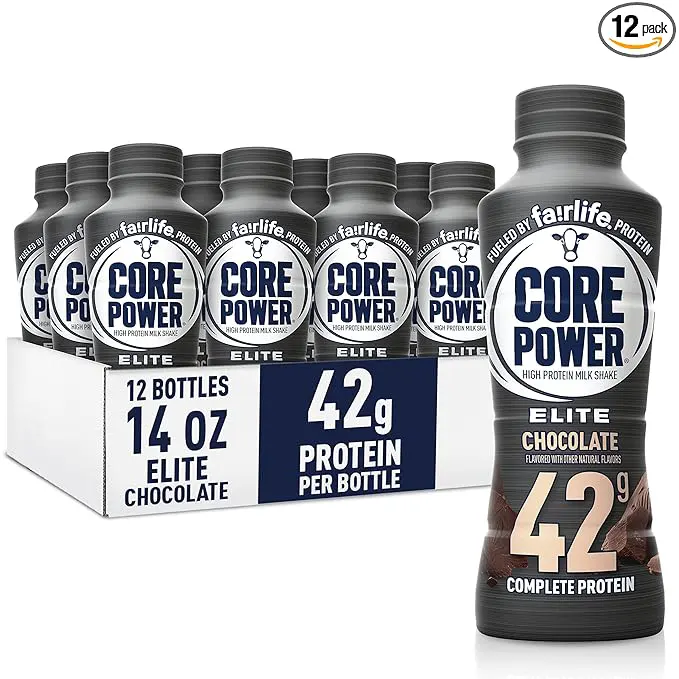
Not all protein shakes are created equal. For post-run recovery, a shake that delivers 20–30 grams of protein alongside some carbohydrates is ideal. Whey protein is absorbed quickly, making it effective for rapid repair. However, plant-based options (pea, hemp, or brown rice protein) work well for those avoiding dairy.
Add a banana or a handful of berries to your shake for natural carbohydrate fuel, and use water or unsweetened almond milk to keep calories in check. A protein shake is especially useful if your run left you with a suppressed appetite—it’s easier to drink your recovery than to chew a chicken breast.
Electrolyte Drinks
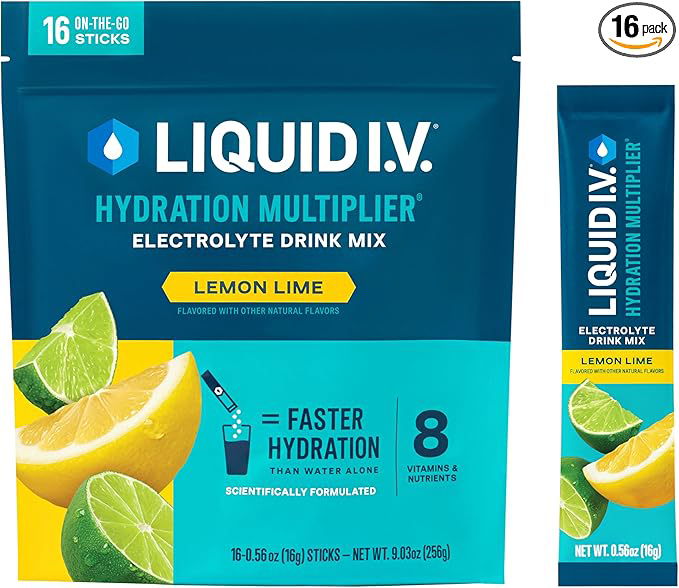
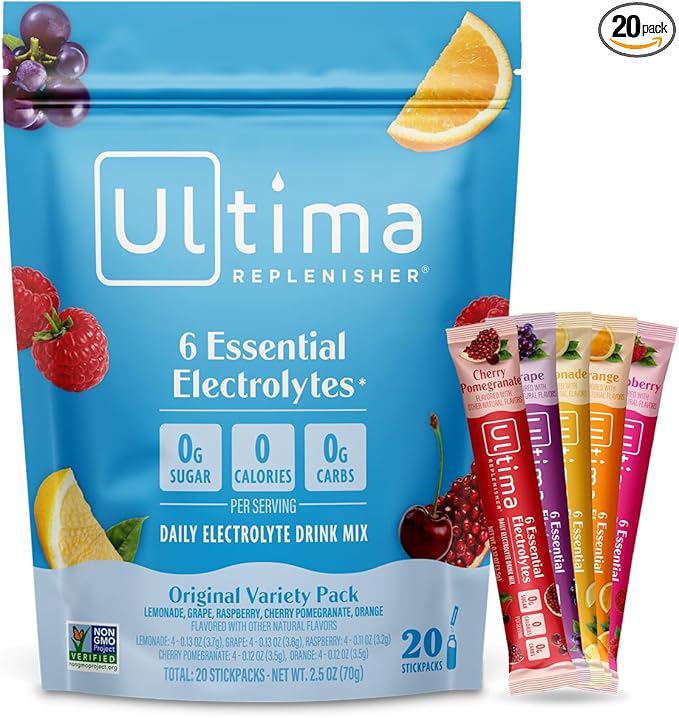
Electrolyte drinks are not the same as the neon-colored sugar waters found at convenience stores. Look for low-sugar options containing sodium, potassium, and magnesium. These are particularly beneficial if you ran in hot weather or are a heavy sweater (you might notice white salt stains on your clothes or skin).
You can make your own simple electrolyte drink: mix a pinch of salt and a squeeze of lemon or lime into 16 ounces of water. Adding a small amount of honey or maple syrup provides the carbohydrate component without a sugar spike.
Beets for Blood Flow
Beetroot juice is famous for its high nitrate content, which your body converts into nitric oxide. This compound widens blood vessels, improving blood flow and oxygen delivery to tired muscles. Drinking beet juice after a run may help clear metabolic waste products like lactate more efficiently.
Because of its powerful effect on blood pressure, anyone with low blood pressure or on blood pressure medication should check with a doctor before making it a regular part of their routine.
What to Avoid
- Alcohol: Even one beer can impair muscle protein synthesis and dehydrate your body during the critical recovery window.
- High-caffeine energy drinks: They can cause a diuretic effect and mask fatigue signals you need to heed.
- Plain soda: The high sugar content and carbonation can cause bloating and do nothing to replenish lost nutrients.
Listen to your body. The best drink will vary based on the length and intensity of your run, your personal tolerances (lactose, for example), and your goals. A simple test: drink your chosen recovery beverage, then note how your legs feel the next morning. Consistency with a good post-run drink is one of the most effective habits you can build as a runner. Stick with it, and your body will thank you with faster recovery and less soreness.