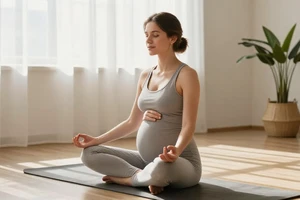

Prenatal yoga is often recommended as a gentle way to stay flexible, manage stress, and prepare the body for labor. But many expecting mothers find that what used to feel like a simple forward fold now feels like a tug-of-war in the back of the legs. Hamstring tightness during pregnancy is common, and the instinct to push through it can lead to discomfort or strain.
The key is learning which movements might aggravate that tightness and how to adjust your practice so you stay comfortable, safe, and connected to your changing body. Here is what to watch out for in your prenatal yoga routine when your hamstrings feel tight.
Why Hamstrings Get Tight During Pregnancy
Hormonal changes, particularly the release of relaxin, loosen ligaments throughout the pelvis. This can shift your center of gravity and alter your gait, often causing the hamstrings to work harder to stabilize your pelvis and lower back. As your belly grows, your posture naturally changes, and the hamstrings can become overworked or shortened. Understanding that this is a structural and hormonal shift—not a sign of weakness or inflexibility—helps you approach your practice with compassion.
Aggressive Forward Folds
Standing forward fold (Uttanasana) and seated forward folds (Paschimottanasana) are classic yoga poses, but they can be problematic when hamstrings are tight during pregnancy. The risk is not the stretch itself; it is the way many of us approach it—hinging from the hips with a rounded spine and then surrendering to gravity without engaging the core or legs.
When you hang heavily in a forward fold, gravity pulls your torso down, which can overstretch the hamstring attachments at the sit bones. This tugging sensation can cause micro-tears or aggravate existing tightness. Instead, keep a micro-bend in your knees. This subtle shift releases tension from the hamstring tendons and allows the stretch to come from the muscle belly itself rather than the attachment points.
Think of bending your knees not as a compromise, but as a smarter, pregnancy-friendly way to maintain length without tension.
Deep Hip Hinges in Downward Dog
Downward-Facing Dog is a staple in many yoga sequences, but it demands a lot from the hamstrings. The pose requires a deep hip hinge while the legs remain straight, which can create a pulling sensation along the back of the thighs. If your hamstrings already feel short, forcing your heels toward the mat can send a sharp tug through the entire posterior chain.
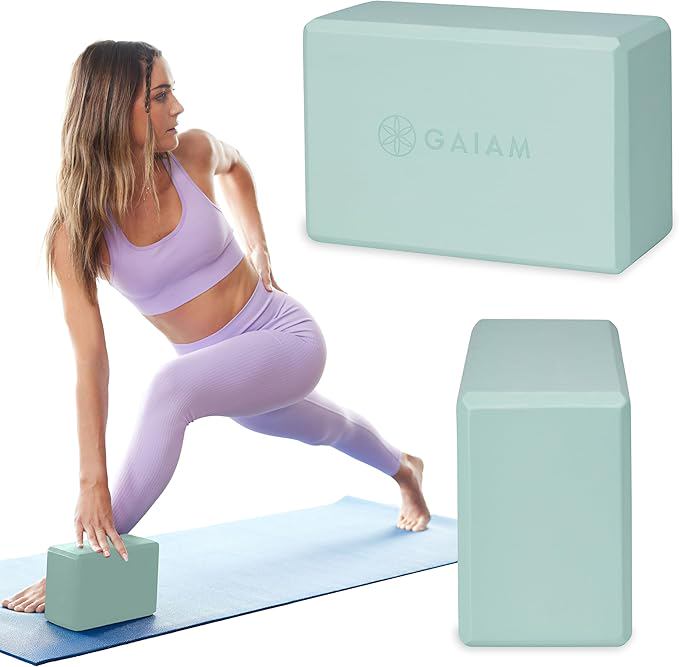
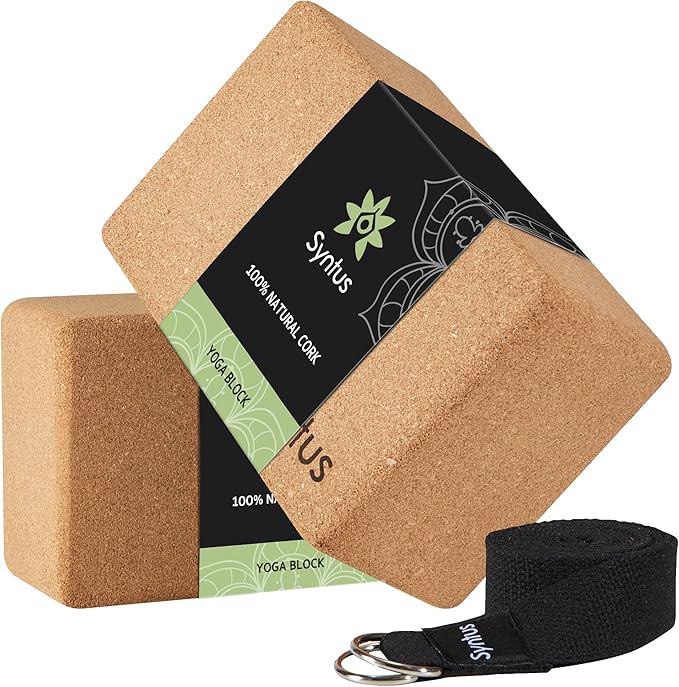
A simple fix: walk your hands forward a few inches and bend your knees generously. This creates length in the spine and takes the pressure off the hamstrings while still giving you the benefits of a gentle inversion and upper body stretch. You can also use blocks under your hands to elevate your upper body, which reduces the angle of the hip hinge.
Lying Supine (On Your Back) Stretches
Many traditional hamstring stretches—like lying on your back and lifting one leg with a strap—become less appropriate as the pregnancy progresses. After the first trimester, lying flat on your back can compress the vena cava, reducing blood flow to you and your baby. This position also puts the hamstring stretch into a passive, unsupported range of motion, which can provoke a protective spasm in tight muscles.
Instead, try the same stretch in a side-lying position. Lie on your left side with both knees bent at 90 degrees. Keep your top leg in line with your hip and gently extend the heel toward the ceiling, using a strap or your hand to support the foot. This sideline approach keeps your circulation steady and allows you to control the depth of the stretch without forcing the hamstring.
Wide-Legged Stance Poses
Poses like Prasarita Padottanasana (Wide-Legged Forward Fold) and Goddess pose can feel wonderful for opening the hips, but the wide stance can also place greater tension on the hamstring tendons near the inner knee. If the feet are too far apart, the hamstrings engage differently to stabilize the knee joint, which can create a sharp tightness along the inner back thigh.
Shorten your stance. Bring your feet to hip-width or slightly wider, and keep your knees bent. In wide-legged forward folds, place your hands on blocks in front of you rather than reaching toward the floor. This reduces the demand on the hamstrings while still allowing a release through the lower back and hips.
The Timing of Your Practice Matters
A pre-practice warm-up is essential when hamstrings feel tight. Jumping straight into standing poses or forward folds with cold muscles can trigger a protective reflex, making the hamstrings contract rather than release. Start your practice with dynamic, small movements: gentle pelvic tilts on all fours, cat-cow stretches, and ankle circles.
During pregnancy, your body is already working overtime. The hamstrings are often holding tension from simply carrying the extra weight and adapting to a new posture. A five-minute warm-up that includes marching in place, leg swings, or gentle hip circles prepares the hamstrings for deeper work without triggering tension.
When to Take a Break
Occasional hamstring tightness is normal, but if you feel a sharp, pulling pain, especially at the sit bone or behind the knee, it may be a sign of tendinopathy or a strain. In that case, stop stretching the hamstrings altogether for a few days and focus on gentle mobilization. If the discomfort persists, check in with a healthcare provider or a physical therapist who specializes in prenatal care.
Remember that pregnancy yoga is not about achieving the deepest version of a pose—it is about maintaining comfort, mobility, and connection with your body. Hamstring tightness is your body's way of saying it needs support, not more stretch.


![Tumaz Yoga Strap/Stretch Bands [15+ Colors, 6/8/10 Feet Options] with Extra Safe Adjustable D-Ring Buckle, Durable and Comfy Delicate Texture - Best for Daily Stretching, Physical Therapy, Fitness](https://www.glowtheorylab.com/uploads/ad202604/d62cf3b7330d7d4a.webp)