Yoga is supposed to unlock your body, not lock it down. Yet many dedicated practitioners hit a frustrating plateau—or worse, notice they feel stiffer after class than before. If you can touch your toes one day but can't reach your shins the next, your practice might be working against you. The good news? You can spot the problem before it sets in. Here are two expert-backed ways to check if your yoga routine is actually hurting your flexibility.
Way 1: The muscle fatigue test
Flexibility isn't just about lengthening muscles; it's about how your nervous system lets them release. When you overwork a muscle in yoga—say, by holding a pose too long or using poor alignment—your brain tightens it as a protective measure. That post-class soreness you feel in your hamstrings or hips isn't always a sign of a productive stretch. Sometimes, it's a sign of micro-damage that leads to protective bracing.
How to check: Perform your usual forward fold or hip opener the morning after a yoga session. Compare your range of motion to how it felt immediately after class. If you have less freedom of movement—even by a small degree—your muscles may still be in a guarded state. Experts call this residual tension. It means your practice likely over-stressed the tissue rather than releasing it.
Quick self-assessment
- Hamstring test: Lie on your back and raise one leg straight up. Note the angle. Now do the same on the other side. A difference of more than 10 degrees suggests one hamstring is chronically tight—possibly from overuse in poses like Downward Dog or forward folds.
- Hip flexor check: Stand and step one foot forward into a lunge. If the back hip feels pinched or locked instead of open, your psoas may be compensating for overworked glutes or abdominals from poses like Boat or Plank.
Try this: If you suspect overwork, take two rest days before your next flexibility-focused session. If your range of motion improves during that break, your routine was likely too intense.
Way 2: The stretch-reset mismatch
Yoga sequences often combine active strength moves with static stretches. That can be problematic because your body has a hard time shifting from contraction to relaxation quickly. If you go straight from a strong pose—like Warrior II—into a deep stretch like Pigeon, your muscle spindles (the sensory receptors in your muscles) may stay partially activated. You stretch, but you don't truly release.
How to check: During your next session, notice how you feel entering a deep stretch. Is there a release after the first few breaths? Or do you have to force the movement? A true flexibility gain comes when you feel the muscle let go—not when you pull yourself deeper through momentum or grinding. If you never feel that letting-go sensation, your stretching is probably happening on top of tight, overactive muscles.
Signs of a mismatch
- You need to use your hands to push yourself deeper into a pose like Seated Forward Fold.
- Your breath shortens or becomes uneven when you try to hold a stretch for more than three breaths.
- You feel sharp, pinching sensations near the joint rather than a broad, warming sensation in the belly of the muscle.
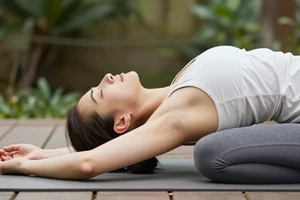
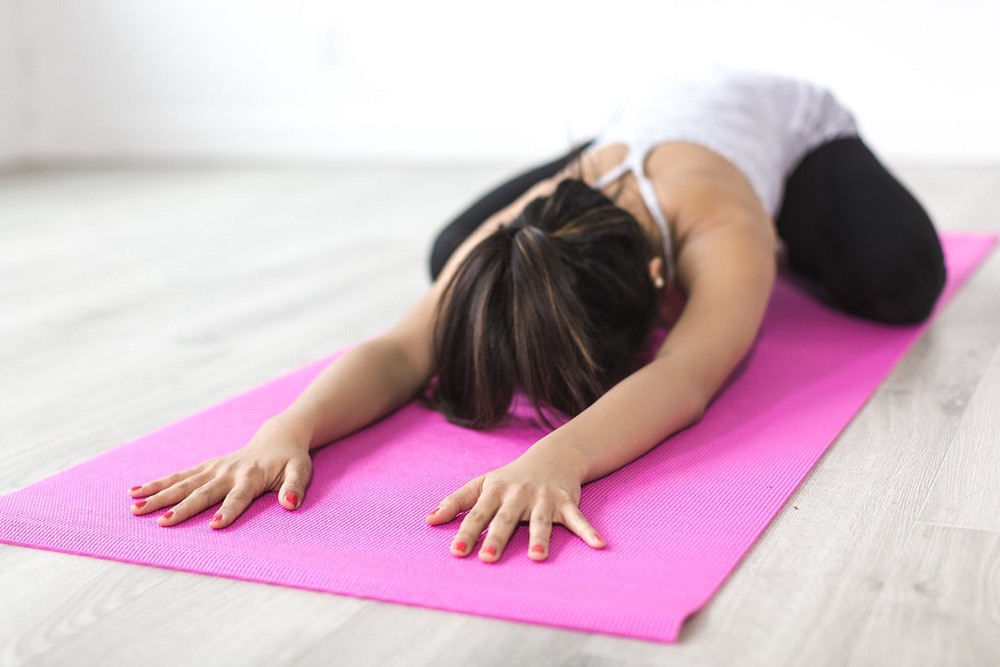
The simple fix: Insert a 30- to 60-second calm-down pose between active balances and deep stretches. Child's Pose or a gentle Supine Twist works well. This reset lets your nervous system switch from 'engage' to 'release.'
One more thing: Check your frequency
You can also hurt flexibility by stretching the same muscle group too often without adequate recovery. Muscle tissue needs time to repair after being lengthened under tension. If you stretch your hamstrings or hips every single day, you may never give them a chance to rebuild longer and more pliable. A 2021 review in the Journal of Sports Sciences found that most flexibility gains happen with stretching two to four times per week, with at least 48 hours between sessions for the same muscle group.
The real measure of a healthy yoga practice is not how far you can reach today—it's whether you can reach just as far tomorrow, and the day after that, without pain or compensation. Use these two checks regularly, and you'll know when your routine is helping versus holding you back.