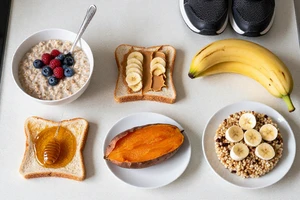

Starting a beginner yoga practice is an exciting step toward better mobility, strength, and calm. But if you've ever woken up the morning after a gentle class feeling stiff in the hips, shoulders, or lower back, you know that flexibility doesn't come from stretching alone. What you eat plays a direct role in how well your muscles recover and how much range of motion you can build over time.
The goal isn't a restrictive diet. Instead, think of food as part of your practice — a way to support tissue repair, reduce inflammation, and keep your joints happy so you can keep unrolling your mat. Below are five foods that help your body bounce back after a beginner yoga session, with practical ways to include them in your day.
1. Pineapple: A natural anti-inflammatory for sore muscles
Pineapple contains an enzyme called bromelain, which has been studied for its ability to reduce muscle soreness and swelling after exercise. For a beginner yogi, that can mean less stiffness in the hamstrings and lower back — areas that often feel the strain of forward folds and seated poses.
Eat fresh pineapple on its own, blend it into a post-yoga smoothie, or toss a few chunks into a bowl of yogurt. Canned pineapple is convenient but has less bromelain, so fresh is the better choice.
2. Tart cherries: Help for muscle recovery and joint comfort
Tart cherries (and their juice) are rich in anthocyanins, plant compounds that reduce oxidative stress and inflammation. Some research suggests they can speed up recovery after intense or unfamiliar exercise — which is exactly what a beginner yoga class can feel like. They may also help with mild joint discomfort.
Try a small glass of tart cherry juice after class, or add dried tart cherries to oatmeal or a trail mix. Look for unsweetened versions to keep added sugar low.
3. Salmon: Omega-3s for tissue repair and mobility
Omega-3 fatty acids — especially the EPA and DHA found in fatty fish — are well known for their anti-inflammatory effects. For flexibility, they help maintain the health of joint membranes and support the repair of tiny muscle tears that happen during stretching and holding poses.
Wild salmon is a great source, but canned or pouched salmon (look for skinless, boneless) is just as effective and easy to toss into a salad or wrap. Aim for two servings of fatty fish per week. If you don't eat fish, a high-quality plant-based omega-3 supplement from algae may be a reasonable alternative, but talk to a healthcare provider first.
4. Green leafy vegetables: Magnesium for muscle relaxation
Magnesium is a mineral that helps muscles relax after contraction. Without enough of it, muscles can stay tight and cramp more easily. Spinach, kale, Swiss chard, and collard greens are all excellent sources.
Aim for at least one generous serving of cooked or raw greens each day. For a quick post-yoga meal, saute spinach with garlic and olive oil and serve alongside eggs or tofu. You can also blend a handful of kale into a smoothie — you won't taste it, but your muscles will feel the difference.
5. Legumes: Protein and fiber for steady recovery
Lentils, chickpeas, black beans, and other legumes deliver a steady supply of plant protein, which is essential for rebuilding muscle tissue. They also provide fiber that supports stable blood sugar — helpful because energy dips can make recovery feel slower.
Legumes pair well with almost any meal: lentil soup, chickpea salad, black bean tacos, or hummus with vegetables. They combine easily with other foods on this list — for example, a spinach salad with chickpeas and a salmon fillet covers protein, magnesium, and omega-3s in one plate.
A note on timing: You don't need to rush to eat immediately after a beginner yoga class. A balanced meal within two hours is fine. If you feel hungry sooner, a small snack — like a handful of almonds with a few dried tart cherries — can tide you over.
The most important habit is consistency. Eating these foods regularly, not just after a single session, will give your body the steady support it needs to gradually improve flexibility and reduce soreness.