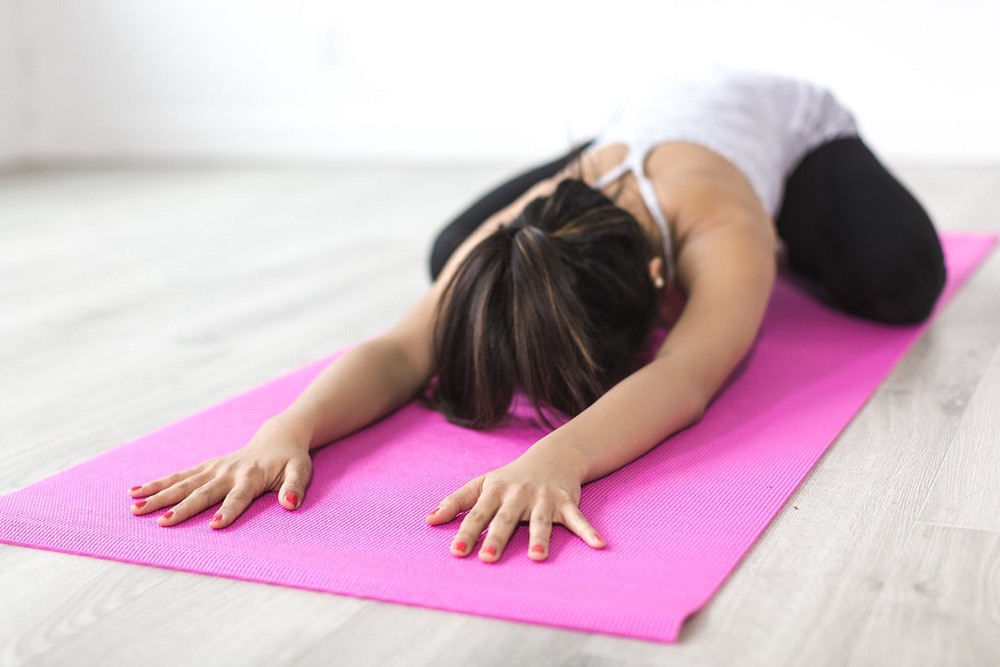
You started yoga to feel more supple. Yet after weeks of diligent practice, maybe your hamstrings feel tighter than ever, or your forward folds have gotten shorter. It’s a surprisingly common puzzle: many new practitioners actually experience a temporary loss of flexibility when they first begin yoga. The good news? The issue is almost always down to a few correctable patterns, not a personal failure. Here’s a practical breakdown of why your beginner yoga routine may be reducing flexibility — and exactly how to fix it.
Your muscles are adapting to unfamiliar stress
When you start stretching in ways your body isn’t used to, the immediate response is often protective tension. Your nervous system perceives a deep forward fold or a held hip opener as a potential overstretch and tells the muscles to contract slightly. This reflexive guarding can make you feel stiffer in the days after practice. It looks like a loss of flexibility, but it’s actually your body learning a new range of motion. This sensation usually fades within a few weeks if you keep your approach gentle and consistent.
Think of it like strength training: the day after a workout, your muscles feel tight and sore before they grow stronger. Flexibility works the same way — a little discomfort is not the same as a backslide.
You may be overstretching or using poor alignment
New yogis often equate “more effort” with “more progress.” In a seated forward fold, that might mean pulling hard on your feet or rounding your back aggressively. That can overstretch the hamstring tendons while simultaneously straining the lower back muscles. This imbalance causes tightness in surrounding tissue as a protective response. Instead of gaining range, you end up with guarded muscles that feel tighter than before.
Fix it: bend your knees generously in forward folds. Keep a microbend in standing poses like triangle or extended side angle. Think about elongating the spine rather than collapsing toward your legs. A good rule of thumb: you should feel a comfortable stretch, never a sharp or pinching sensation.
Weakness in supporting muscles limits your range
Flexibility isn’t just about stretching; it’s also about strength in the lengthened position. Your glutes, core, and hip flexors provide stability for deep stretches. If those muscles are weak, your nervous system will restrict range of motion to protect the joints. For example, tight hip flexors are often actually weak hip flexors that cannot control a full range during warrior poses. Over time, this can make the surrounding muscles feel tighter and less cooperative.
Fix it: incorporate isometric strength work into your practice. Try holding a lunge for five slow breaths, engaging your back leg. In bridge pose, squeeze your glutes gently while keeping your thighs parallel. This builds control, which supports flexibility gains.
Your routine lacks variety or proper warm-up
Repetition of the same few poses — especially those that demand maximum hamstring length day after day — can create adaptive shortening in muscle fibers. If your practice always includes seated forward fold, standing forward fold, and downward dog, but never includes hip openers, side stretches, or backbends, you are conditioning certain muscles to stay contracted and others to be overstretched. This imbalance can make you feel tighter overall.
Fix it: warm up with joint rotations and dynamic movements rather than static holds. Cat-cow, gentle spinal twists, and leg swings for 5–10 minutes prepare tissues to lengthen. Then rotate through different families of poses each session: include side bends, lunges, and gentle twists to address the whole body. A balanced routine naturally reduces asymmetrical tightness.
Recovery and hydration matter more than you think
Yoga is a physical stressor. Muscles need time to repair and rebuild after being stretched. Practicing deep flexibility work every day without rest can lead to micro-tears and chronic low-grade inflammation, which feels like persistent stiffness. Similarly, dehydration makes connective tissue less pliable, so even a well-structured class can feel less effective if you're not drinking enough water.
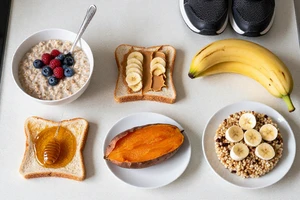
Fix it: schedule at least one or two rest days per week, or alternate intense flexibility work with gentle, restorative or yin-style sessions. Drink water before, not during, practice (aim to hydrate well in the hours beforehand). Include foods that support tissue health, such as berries, leafy greens, and omega-3-rich fish.
Practical adjustments you can make starting tomorrow
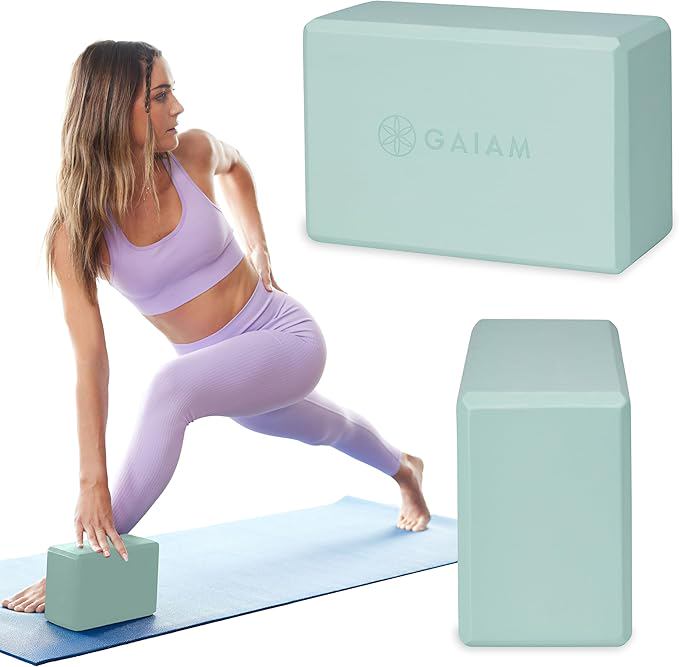
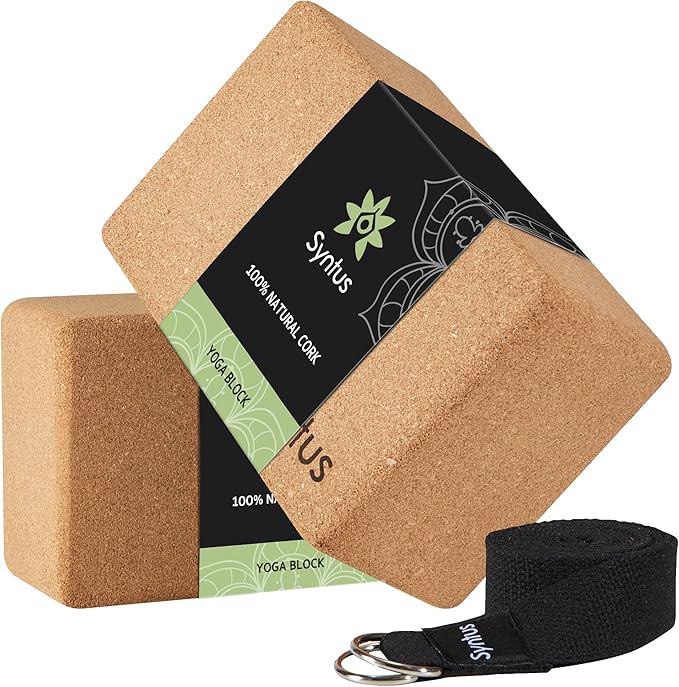
- Use props. Blocks under your hands in forward fold or a strap around your feet in seated hamstring stretches allow you to find length without strain. They are aids, not crutches.
- Breathe into tight spots. In a deep squat or pigeon pose, exhale slowly and imagine sending your breath into the area that feels restricted. This calms the nervous system’s guard response.
- Focus on consistency, not intensity. A 10-minute daily practice that respects your current edge will yield better flexibility results than a vigorous 90-minute class that leaves you feeling wrecked.
- Listen to your body’s signals. If a pose ever triggers a sharp pain or a feeling of instability, back off immediately. Pain is not a sign of progress.
The feeling of losing flexibility as a beginner yogi is not a sign that yoga isn't working. It’s a sign that your body is adapting — with a little extra protection, a dash of compensation, and often too much enthusiasm. By addressing overstretching, building supportive strength, varying your poses, and respecting recovery, you can translate that temporary tightness into genuine, lasting flexibility. Be patient, stay curious, and trust the process.


![Tumaz Yoga Strap/Stretch Bands [15+ Colors, 6/8/10 Feet Options] with Extra Safe Adjustable D-Ring Buckle, Durable and Comfy Delicate Texture - Best for Daily Stretching, Physical Therapy, Fitness](https://www.glowtheorylab.com/uploads/ad202604/d62cf3b7330d7d4a.webp)