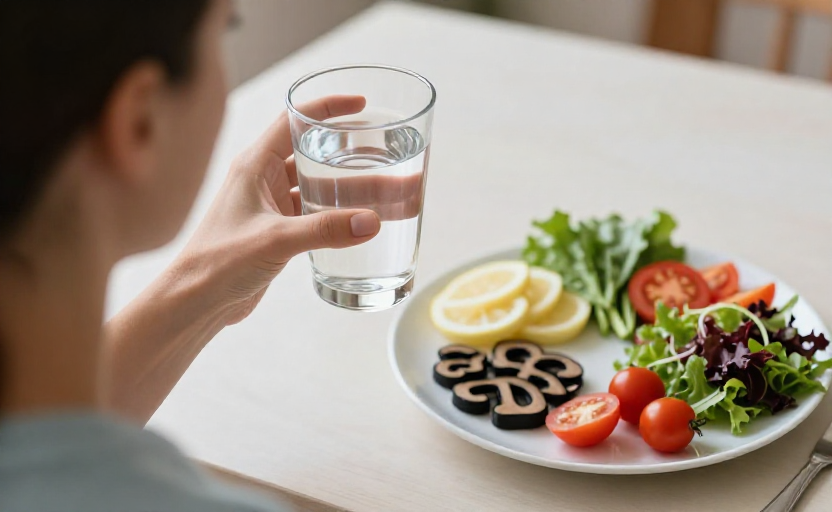
You’ve likely heard the advice to drink eight glasses of water a day. But when you drink that water—especially in relation to your meals—can be just as important as the amount. The question of whether to sip water with your food, or save it for before or after, is a common one in nutrition circles. While hydration is non-negotiable for health, the timing can subtly influence your digestion, nutrient absorption, and even feelings of fullness.
Let’s explore what nutrition professionals typically say about weaving water intake into your eating routine for smoother digestion.
The Core Principle: Hydration Supports Digestion
First, a foundational truth: water is essential for every stage of digestion. It’s a key component of saliva, which begins breaking down food in your mouth. In your stomach, water helps create the fluid environment necessary for digestive enzymes to work. Further down the line, it keeps the digestive tract lubricated and supports the movement of waste.
Chronic dehydration, on the other hand, can lead to constipation and sluggish digestion. So, ensuring you’re well-hydrated throughout the day is the primary goal. The timing debate exists within this already-hydrated context.
Drinking Water Before a Meal
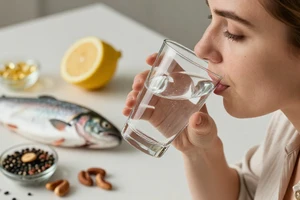
Having a glass of water 20 to 30 minutes before you eat is a strategy many nutritionists endorse. This practice serves a couple of purposes.
It can help begin the digestive process by priming your stomach. More notably, it can create a gentle sense of fullness. For some, this pre-meal hydration can temper the initial sharp hunger that might lead to eating too quickly or overeating at the start of a meal.
A glass of water before eating is like giving your digestive system a friendly heads-up.
Drinking Water During a Meal
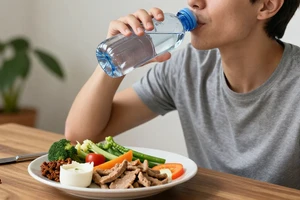
This is where opinions can vary, but the consensus among modern nutritionists is largely permissive. Sipping water with your food is generally fine and can aid the process.
Water helps break down larger food particles, making it easier for them to travel down the esophagus. It can also help prevent dehydration that might occur if you’re eating a particularly salty or dense meal. The old myth that water dilutes stomach acid to a problematic degree is largely overstated for healthy individuals; your stomach is highly adaptable and will continue its digestive functions.
However, moderation is the watchword. Gulping large amounts of ice-cold water in the middle of a meal might slightly slow the digestive process for some people, as the body works to bring the stomach contents to an optimal temperature. A steady, moderate sip is usually the best approach.
Drinking Water After a Meal
Waiting about 30 to 60 minutes after eating to drink a larger volume of water is a practice rooted in some traditional health systems, like Ayurveda. The idea is that it allows the natural digestive “fire” to work without immediate dilution.
From a conventional nutrition standpoint, drinking after a meal helps with the final stages of digestion and absorption. It assists in moving the digested food through the intestines and ensures nutrients are properly transported throughout the body. It also helps replenish fluids used during digestion.
Practical Takeaways for Better Digestion
Rather than strict rules, think of these as gentle guidelines to experiment with and see how your body responds.
- Start your day and meals with water. Drink a glass upon waking and another 20-30 minutes before lunch and dinner.
- Sip, don’t chug, during meals. Keep a glass of room-temperature or warm water nearby and take small sips as you eat.
- Listen to your body’s thirst cues. If you’re thirsty during a meal, drink. Ignoring thirst is never beneficial.
- Observe your own digestion. If you feel overly bloated or sluggish when drinking a lot with meals, try shifting more of your intake to the times between meals.
- Consider meal composition. If a meal is very high in fiber, adequate water intake with and after it is crucial to help that fiber move through your system comfortably.
Ultimately, the best rhythm is one that keeps you consistently hydrated and feeling good. Paying attention to how different timing patterns affect your energy and digestion is the most personalized advice you can get. For most people, spreading water intake evenly throughout the day—before, during, and after meals—supports digestion without overcomplicating a fundamental health habit.