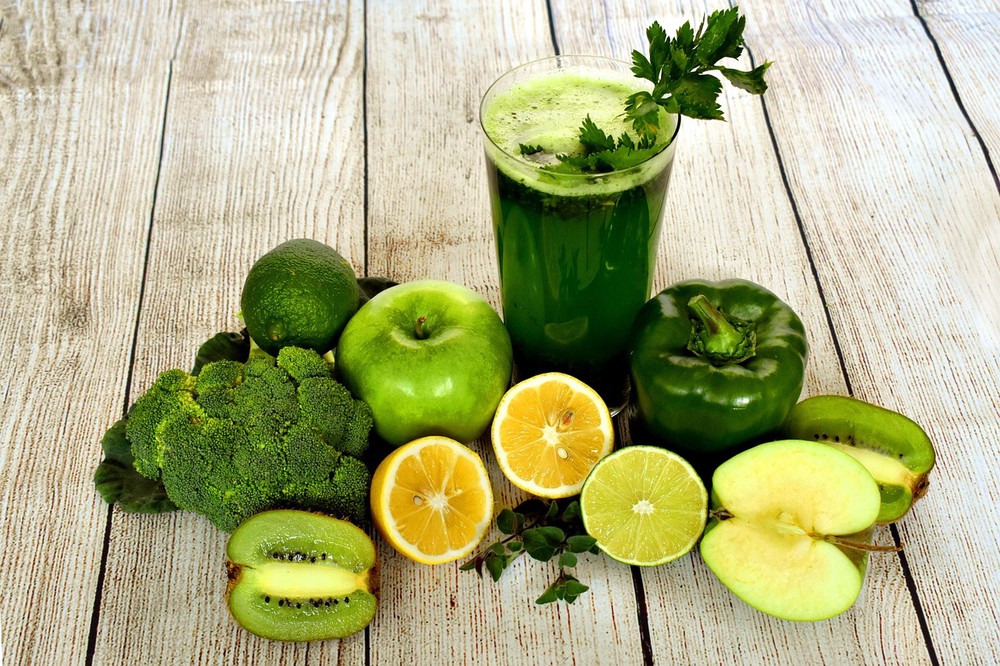
Walk into any health store or scroll through wellness social media, and you will see vibrant jars of "superfood" antioxidant powders—greens blends, berry extracts, beetroot crystals, and more. They promise concentrated doses of disease-fighting compounds in a single scoop. But are these powders actually a smart replacement for the real fruits and vegetables on your plate?
We asked registered dietitians to break down the hype. Here is what they want you to know before you swap your spinach salad for a green powder or your blueberries for a capsule.
Real food provides a synergistic package that powders cannot replicate
When you eat an apple or a handful of kale, you are not consuming isolated nutrients. You are ingesting a complex matrix of fiber, vitamins, minerals, phytochemicals, and water. This whole-food structure influences how your body absorbs and uses those antioxidants.
Dietitians emphasize that fiber alone is a game-changer. Fiber slows sugar absorption, supports gut bacteria, and helps you feel full. Most antioxidant powders strip out fiber during processing. Without it, the antioxidants enter your bloodstream faster and may not deliver the same sustained benefits. As one dietitian put it, “You simply cannot powderize the structural complexity of a carrot.”
How processing affects antioxidant potency
Powders are made by drying, grinding, and often heating the original plant material. These steps can degrade heat-sensitive antioxidants like vitamin C and certain polyphenols. Studies show that processing can reduce the total phenolic content of fruits and vegetables by anywhere from 20% to over 50%, depending on the method and source material.
Manufacturers sometimes add synthetic vitamins or isolates to boost the numbers on the label. But isolates behave differently in the body than the same compound naturally embedded in food. For example, isolated vitamin E from supplements does not appear to offer same heart-protective effects as vitamin E from almonds or sunflower seeds.
Bottom line: A powder might test high for antioxidant capacity in a lab, but your digestive system is more sophisticated than a petri dish.
Are there valid reasons to use a superfood powder?
Yes—dietitians see certain situations where powders can be helpful. The key is to view them as a supplement, not a substitute. Good candidates include:
- Travelers who lack access to fresh produce for days at a time.
- People with chewing or swallowing difficulties who struggle to eat whole fruits and vegetables.
- Someone recovering from illness with a temporarily poor appetite.
- Individuals trying to break a pattern of minimal produce intake—a green powder can be a stepping stone toward better habits.
Even in these cases, dietitians recommend choosing powders with minimal added sugars, artificial sweeteners, or proprietary blends that hide exact ingredient amounts. Look for products that list specific foods and their quantities.
The cost and environmental comparison
A typical serving of a greens powder can cost anywhere from $1.50 to $3.00. A serving of fresh spinach, broccoli, or kale costs considerably less, especially when bought in season or frozen. Calories also matter: a powder serving often provides 30–50 calories with less satiety, while a bowl of roasted vegetables might give you 100–150 nutrient-dense calories that genuinely fill you up.
Packaging is another concern. Bulk powders require plastic tubs and scoops, along with the energy needed for industrial dehydration. Local or garden-fresh produce, by contrast, often has a lower carbon footprint when you account for the full supply chain.
What to look for in a quality powder
If you decide a powder fits your lifestyle, dietitians suggest these criteria:
- Third-party testing seals (USP, NSF, or ConsumerLab certification) for purity and potency.
- A short ingredient list focused on recognizable whole foods—spirulina, wheatgrass, spinach, acai, etc.
- No added sweeteners or flavors if possible; at most a small amount of stevia or monk fruit.
- Transparent labeling that lists the gram weight of each ingredient rather than a proprietary blend.
Simply checking the “ORAC score” (a lab measure of antioxidant capacity) is not enough. ORAC values do not reflect how the body actually uses the compounds, and the USDA has removed the ORAC database due to its weak correlation with health outcomes.
The final word from dietitians
Antioxidant powders are not harmful in moderation, and they can be convenient in a pinch. But they are not a nutritional shortcut that outperforms actual produce. No powdered supplement has ever been shown—in high-quality human trials—to reduce chronic disease risk the way a diverse, plant-rich diet does.
Think of powders as an occasional helper, not a daily foundation. Your body evolved to process the fibers, textures, and compound symphonies found in whole fruits and vegetables. A scoop of green powder might help you fill a gap temporarily, but it cannot replace the deeply rooted benefits of real food.