Omega-3s are some of the most talked-about nutrients in wellness circles, and for good reason. They support heart health, brain function, and help manage inflammation. But a common question keeps coming up in dietitians' offices: should you get your omega-3s from a supplement or from whole foods? The answer isn't as simple as picking one over the other, and it largely depends on your diet, lifestyle, and health goals.
Here is what registered dietitians want you to understand about the differences, the benefits, and the smartest way to include omega-3s in your daily routine.
Understanding the Two Main Types of Omega-3s
Not all omega-3s work the same way in your body. The three primary types are ALA (alpha-linolenic acid), EPA (eicosapentaenoic acid), and DHA (docosahexaenoic acid). ALA is found mainly in plant sources like flaxseeds, chia seeds, and walnuts. Your body can convert a small amount of ALA into EPA and DHA, but the conversion rate is low — around 5% to 10% for EPA and even less for DHA.
EPA and DHA are the forms your body uses most efficiently. They are found in fatty fish such as salmon, mackerel, sardines, and anchovies, as well as in fish oil and algae-based supplements. For most people, dietitians agree that getting EPA and DHA directly from food is the gold standard because these nutrients come packaged alongside other beneficial compounds like high-quality protein, vitamin D, and selenium.
Whole Foods: The Complete Package
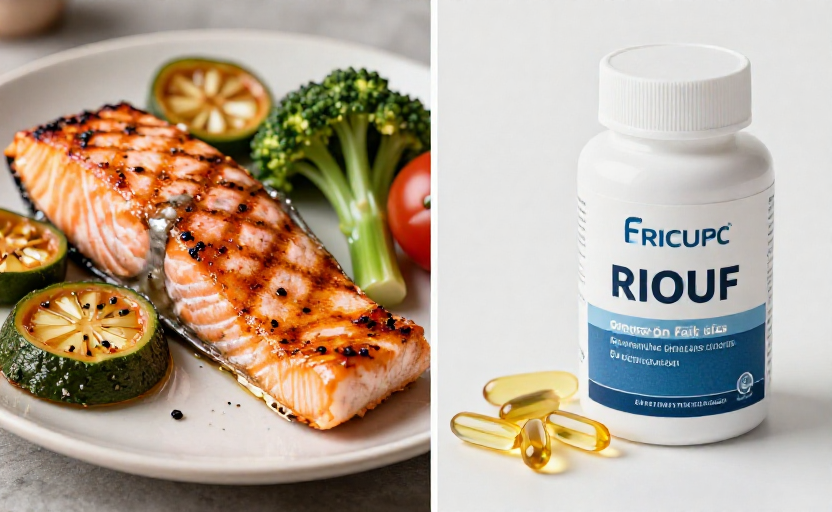
Eating whole foods that are rich in omega-3s offers benefits that go beyond just the fat content. A fillet of salmon, for example, provides a matrix of nutrients that work synergistically. The protein helps with satiety and muscle maintenance, while the vitamin D and selenium support immune and thyroid function. Dietitians point out that when you eat whole foods, you also avoid the potential additives or contaminants that can occasionally be present in lower-quality supplements.
For those who follow a plant-based diet, whole food sources of ALA — such as ground flaxseeds, hemp seeds, and walnuts — are essential. While they don't deliver EPA and DHA directly, they contribute to your overall omega-3 status. Including these foods regularly is a smart strategy, especially when combined with an algae-based supplement if you are concerned about meeting EPA and DHA needs.
Aim for at least two servings of fatty fish per week. A serving is about 3.5 ounces cooked, roughly the size of a deck of cards.
Supplements: Convenience with Caveats
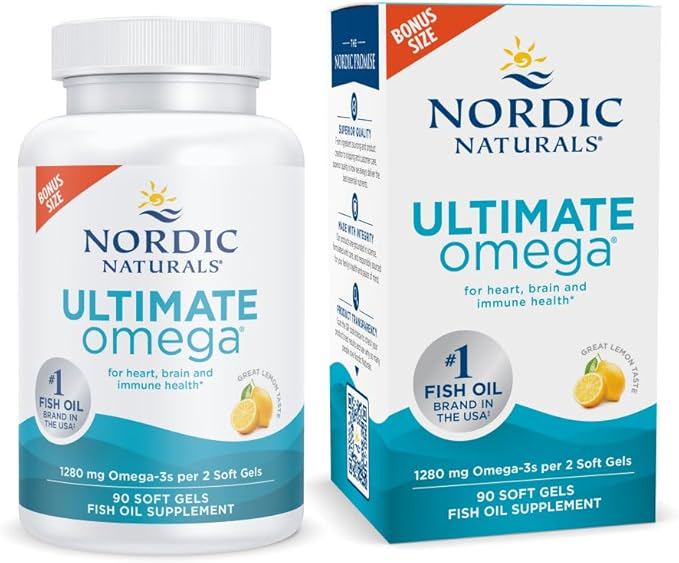
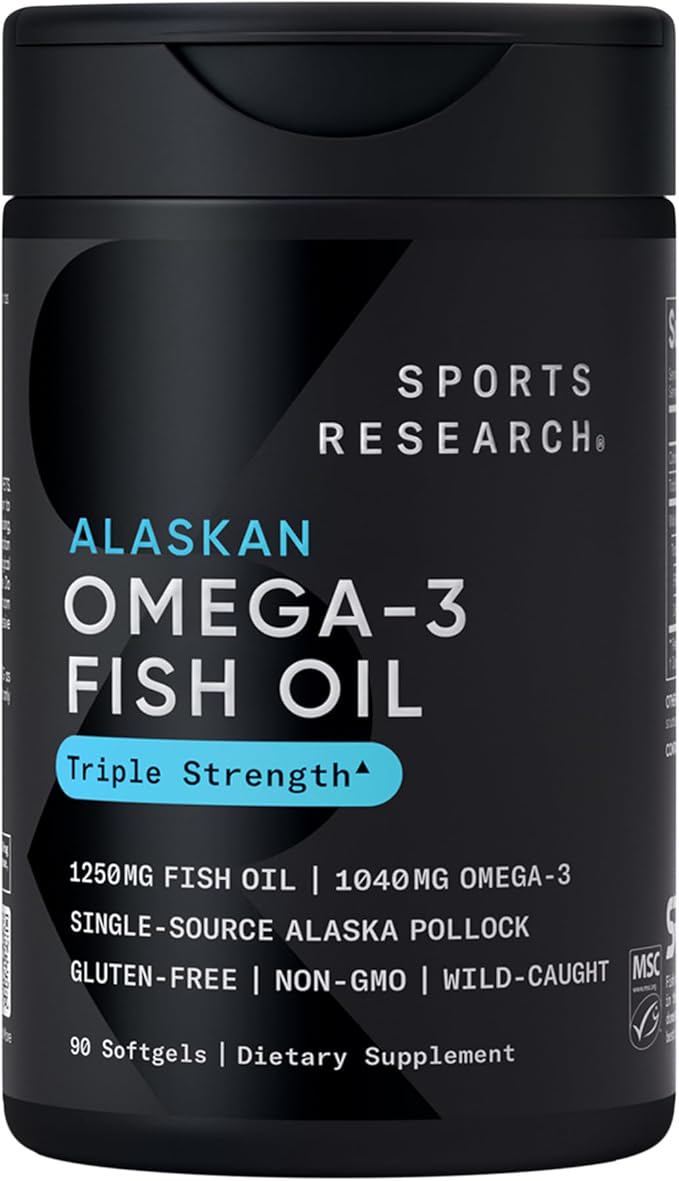
Fish oil and algae oil supplements offer a concentrated dose of EPA and DHA without requiring you to plan meals around fish. This can be a practical solution for people who dislike the taste of fish, have dietary restrictions, or struggle to eat enough omega-3-rich foods. Dietitians often recommend supplements for individuals with diagnosed deficiencies, certain inflammatory conditions, or those who are pregnant and need higher DHA intake for fetal brain development.
However, supplements are not a free pass to ignore your diet. The quality of omega-3 supplements varies widely. Some may contain oxidized oils that are less effective, and others may have added fillers. Always look for third-party tested products, and store them in a cool, dark place to prevent spoilage. A dietitian can help you determine the right dose, as taking too much can thin your blood or cause digestive discomfort.
Who Might Need a Supplement?
While whole foods are ideal, certain situations call for supplementation. People who follow a vegan or vegetarian diet often have low levels of EPA and DHA because they avoid fish. An algae-based supplement is a direct, plant-based source of these fatty acids. Similarly, individuals with heart disease or high triglycerides may benefit from higher doses of EPA and DHA that are difficult to achieve through diet alone. Pregnant and breastfeeding women also have increased DHA needs, and a supplement can help bridge the gap.
That said, dietitians caution against assuming that everyone needs a supplement. For the average person who eats a balanced diet that includes fish, nuts, and seeds, a pill may be unnecessary. The best approach is to assess your current diet first and then decide if supplementation would add value.
Bottom Line: Food First, Supplements Second
The consistent message from dietitians is to prioritize whole food sources of omega-3s whenever possible. Supplements are a helpful tool, but they are not a replacement for a nutritious diet. If you are considering adding an omega-3 supplement to your routine, talk to a healthcare professional or a registered dietitian first. They can guide you on the right type and dose based on your specific health needs, ensuring you get the benefits without unnecessary risks.