There's a lot of noise around healthy eating, and restaurant menus can feel like a minefield of half-truths. Between fad diet trends and Instagram wellness tips, it’s easy to pick up food myths that make dining out feel stressful. We spoke with registered dietitians to clear the air and help you enjoy a meal out without second-guessing every bite.
Why food myths stick — and how to spot them
Many food myths survive because they contain a grain of truth that gets exaggerated. Take the idea that carbs are bad after 6 p.m., for instance. Dietitians point out that your body doesn't switch off its metabolism at a certain hour. The timing of your meal matters far less than the total quality and quantity of what you eat over the course of a day. When you hear a sweeping rule like “never eat fruit for dessert,” check the reasoning. Often, the science behind it is more about balance and portion size than an outright ban.
Let go of the “clean eating” perfection trap
Another myth that follows people to restaurants is the notion of “clean” versus “dirty” foods. This black-and-white thinking can turn a simple dinner into a moral dilemma. A dietitian’s perspective is more flexible: one meal out will not derail your health, just as one salad won't make you instantly healthy. The goal is consistency, not perfection. If you choose the pasta tonight, you haven't failed. You’ve simply enjoyed a meal.
Tip to remember: The best diet is one you can sustain without guilt. A single restaurant meal is a small part of a much larger picture.
The “healthy” menu trap
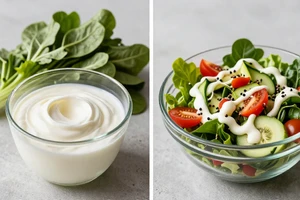
Restaurants know that many customers want healthier choices, so they label items as “gluten-free,” “low-fat,” or “superfood.” Dietitians warn that these labels can be misleading. A gluten-free chocolate cake is still cake. A low-fat dressing might be packed with added sugar to make up for the missing fat. Instead of trusting the front-of-menu buzzwords, scan the ingredient list if it’s available, or ask your server how the dish is prepared. Grilled, steamed, and roasted preparations are usually better bets than anything described as crispy, battered, or creamy.
How to order without overthinking
- Start with vegetables. Look for a salad or a veggie-based appetizer to add fiber and volume to your meal.
- Ask for sauces and dressings on the side. This puts you in control of how much you use.
- Don’t fear the bread basket. It’s there to be enjoyed — just treat it as part of the meal, not an emergency.
Portion size is the real plot twist
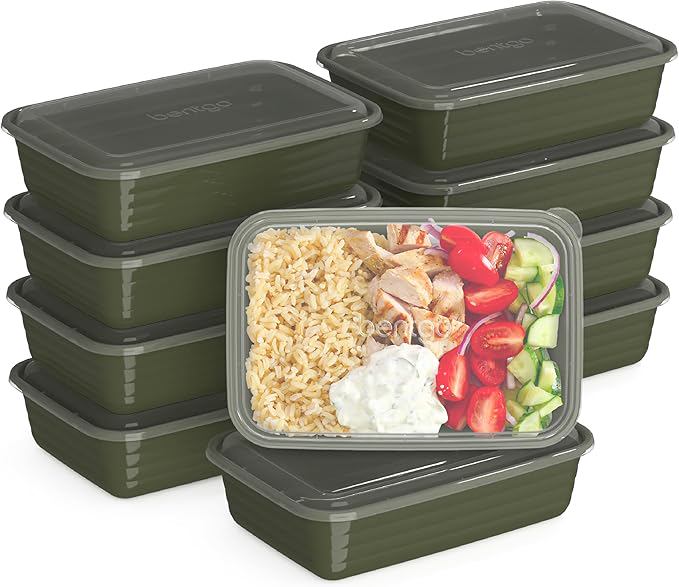
Many people believe they must clear their plate, especially when dining out. Dietitians encourage a different approach: listen to your fullness cues. Restaurant portions have grown over the years, and it’s okay to stop eating when you’re satisfied, even if food remains. Packing leftovers for lunch the next day is a practical way to enjoy the meal twice without overeating in one sitting.
Perspective shift: You don't have to eat everything on your plate just because it's there. Leftovers are a win for your wallet and your waistline.
Debunking the “detox” dinner
Some diners order a plain salad with lemon water, believing they’re “detoxing” their body after a heavy week. Dietitians explain that your liver and kidneys handle detoxification full-time — you don’t need a special meal to help them do their job. What your body really needs is consistent hydration, fiber, and a variety of nutrients. A restrictive “detox” meal at a restaurant can leave you hungry and may lead to overeating later. Instead, aim for a balanced plate with protein, healthy fats, and colorful produce.
Drink choices affect more than you think
Beverages are another area where myths flourish. Many people assume that any smoothie or juice on the menu is automatically a healthy choice. However, some smoothies pack more sugar than a soda. Dietitians suggest treating these as a treat rather than a health drink. Water, unsweetened tea, or sparkling water with a slice of citrus are simple, hydrating options that won't spike your blood sugar.
Eating out should be a pleasure, not a source of anxiety. By questioning sweeping food rules, ignoring misleading menu labels, and tuning into your own hunger, you can navigate any restaurant with confidence. The next time you hear a food myth, ask yourself: does it make sense for my life, or is it just another rule waiting to be broken?