You know the feeling: that mid-afternoon slump where your focus dissolves and your energy plummets. You might reach for a quick cookie or a sugary coffee, only to find yourself crashing again an hour later. The cycle is frustrating, but it’s also a clear signal from your body. The right snack, chosen with intention, can be a powerful tool to smooth out those energy valleys and keep you feeling steady and clear-headed throughout the day.
Registered dietitians emphasize that strategic snacking isn't about mindless eating or adding extra calories. It's about bridging the gaps between meals to maintain stable blood sugar, the primary fuel for your brain and body. When your blood sugar dips too low, you feel fatigued, irritable, and foggy. When it spikes too high from simple sugars, your body releases a flood of insulin, often leading to a subsequent crash. The goal is to avoid both extremes.
What Makes a Snack Truly Energizing?
For lasting energy, a snack needs to be more than just tasty. Dietitians recommend thinking in terms of combination, not just a single ingredient. The most effective snacks pair a source of complex carbohydrates with a source of protein or healthy fat.
The carbohydrates provide a readily available source of glucose for immediate fuel. Choosing complex carbs—like those found in whole grains, fruits, and vegetables—means this energy is released slowly, preventing a sharp spike. The protein or fat acts as a stabilizer, slowing digestion further and promoting a prolonged sense of fullness and sustained energy release.
Think of it as building a slow-burning fire rather than lighting a piece of paper. The combination is what creates the steady burn.
Smart Snack Combinations to Try
Instead of a rigid list, consider these balanced pairings as flexible templates you can adapt based on what you have available and what you enjoy.
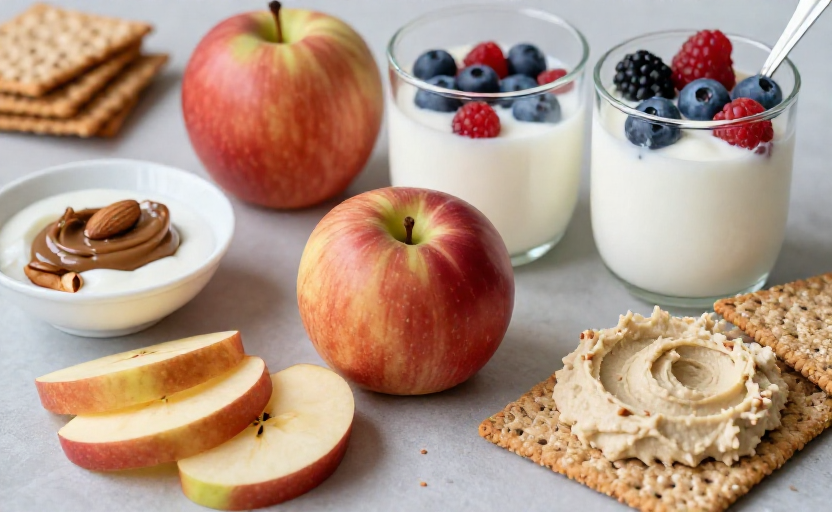
- Apple slices with a tablespoon of almond butter. The fruit’s fiber and natural sugars meet the healthy fat and protein from the nut butter.
- Plain Greek yogurt with a handful of berries. Yogurt offers high-quality protein, while berries add fiber, antioxidants, and a touch of sweetness.
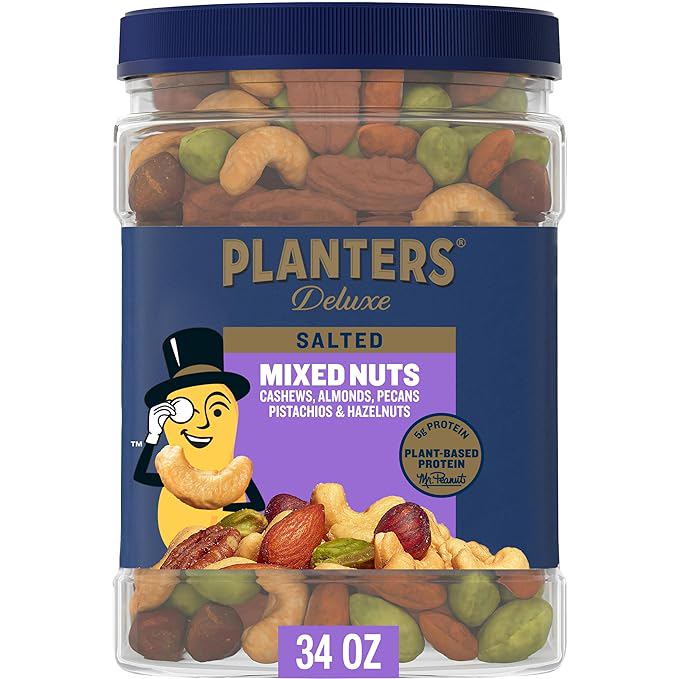
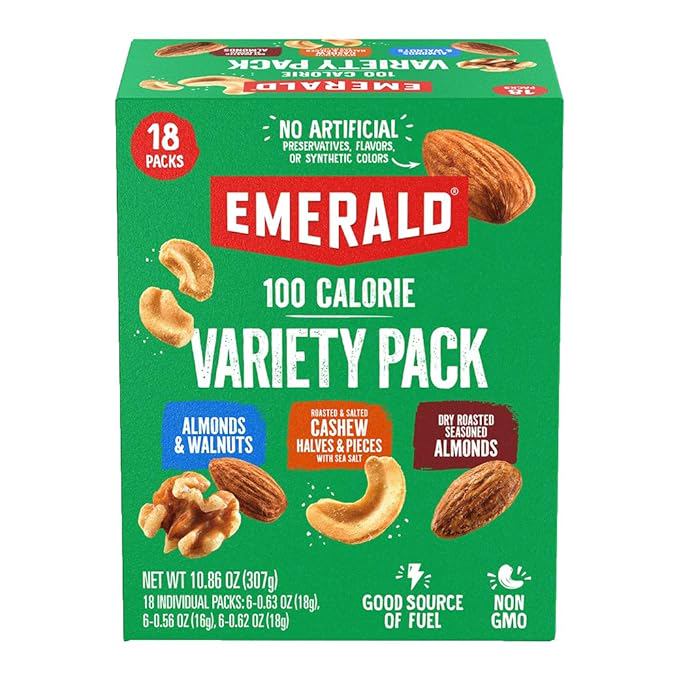
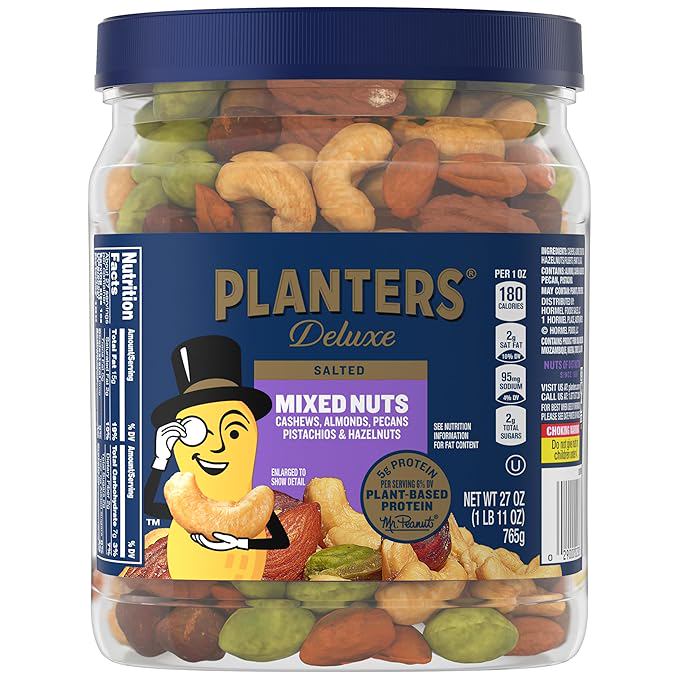
- A small handful of trail mix made with nuts, seeds, and a few dark chocolate chips. The mix of fats, protein, and a little complex carb from the chocolate provides a satisfying, energy-dense option.
- Whole-grain crackers with hummus. The crackers supply complex carbs, and the chickpeas in hummus offer both protein and fiber.
- A hard-boiled egg with a piece of whole fruit, like a pear or orange. This is a classic, portable pair that covers protein, healthy fat, vitamins, and fiber.
Timing Your Snacks for Maximum Benefit
Listening to your body’s hunger cues is the most reliable guide. However, a common pattern that works for many is to have a small snack between lunch and dinner, especially if that gap stretches beyond four to five hours. This can prevent you from arriving at dinner ravenous, which often leads to overeating.
Pay attention to physical signs of hunger—a gentle stomach rumble, a slight dip in concentration, or a feeling of emptiness—rather than emotional cues like boredom or stress. Having a planned, balanced snack ready can help you respond to true hunger effectively.
What About Portion Size?
A snack is meant to tide you over, not replace a meal. A good visual guide is to aim for a snack that fits comfortably in the palm of your hand. For combination snacks, this might look like a palm-sized portion of the main component (like yogurt or an apple) paired with a thumb-sized portion of the fat or protein (like nut butter or cheese).
Snacks That Might Sabotage Your Energy
Just as some snacks build you up, others can set you up for a crash. Be mindful of options that are primarily composed of refined carbohydrates and added sugars without any balancing nutrients. These can cause a rapid rise and fall in blood sugar.
Common culprits include sugary granola bars, pastries, candy, sodas, and even large servings of fruit juice. This doesn’t mean you can never enjoy these foods, but when your goal is steady energy, they are less reliable choices.
Ultimately, snacking for steady energy is a personal practice. It requires a bit of preparation and tuning into what makes your own body feel its best. By focusing on balanced combinations and mindful timing, you can transform snacking from a guilty habit into a deliberate strategy for supporting your daily well-being and focus.