Building a plant-based plate that delivers all the essential amino acids—without relying on animal products—is one of the most common questions registered dietitians hear. The good news is that you don’t need to meticulously combine foods at every meal to get "complete" protein. The concept of protein complementing has relaxed considerably in recent years, but understanding which plant foods work together can still help you feel energized, support muscle repair, and maintain stable blood sugar throughout the day.
Here’s what dietitians actually recommend for creating satisfying, complete-protein meals from plants—no complicated spreadsheets required.
What Does “Complete Protein” Mean for Plant Eaters?
A protein is considered “complete” when it contains all nine essential amino acids in adequate amounts. Animal foods like meat, eggs, and dairy are naturally complete. Most plant proteins, however, are low in one or two of these amino acids. For instance, grains are typically low in lysine, while legumes are low in methionine. The old thinking was that you had to pair these at every single meal—like rice and beans at lunch, then hummus and pita at dinner. Current research shows that as long as you eat a variety of plant proteins throughout the day, your body will pool the amino acids it needs.
Still, strategically pairing foods can make it easier to hit your protein targets, especially if you are active, pregnant, or managing a health condition. Dietitians emphasize that the goal is adequacy over perfection.
Dietitian’s note: Most adults need about 0.8 to 1.0 grams of protein per kilogram of body weight daily. For a 150-pound person, that’s roughly 55 to 68 grams spread across the day.
The Best Plant-Based Protein Pairings
Here are the go-to combinations that dietitians recommend for a complete amino acid profile:
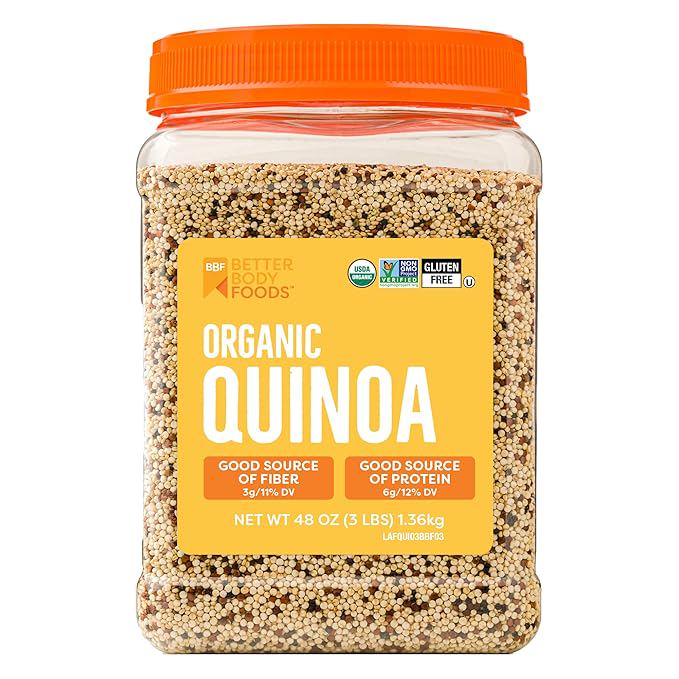
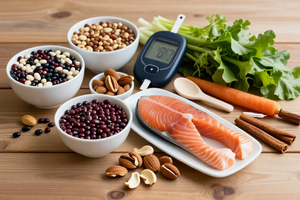
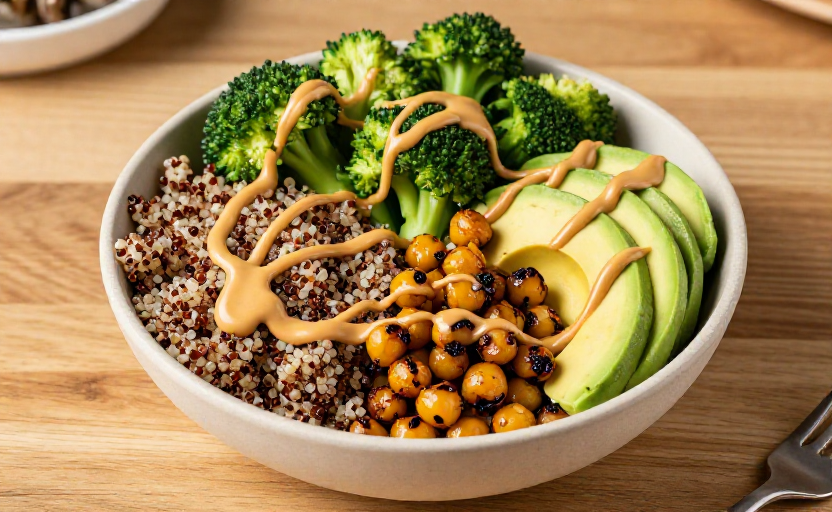
- Legumes + Whole Grains: Beans, lentils, or chickpeas paired with brown rice, quinoa, oats, or whole-wheat pasta. This classic combo covers all nine essential amino acids and provides fiber for gut health.
- Nuts/Seeds + Legumes or Grains: Sprinkle hemp seeds, chia seeds, or chopped almonds over lentil soup, oatmeal, or a bean salad. Hemp seeds are especially notable because they are one of the few plant foods that are already a complete protein.
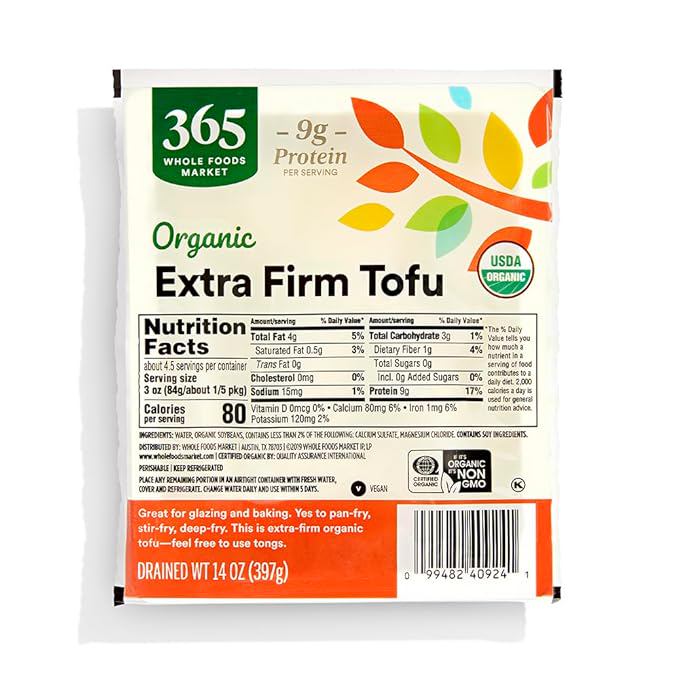
- Soy Products (Complete Alone): Tofu, tempeh, edamame, and soy milk are rare plant proteins that are naturally complete. Dietitians often suggest soy as a reliable anchor for plant-based plates.
- Vegetables + Grains + Nuts: A bowl of broccoli, kale, quinoa, and toasted pumpkin seeds delivers a wide amino acid spectrum. Don’t underestimate the protein contribution of green vegetables—they add small amounts of methionine and lysine that help complete the meal.
How to Structure a Complete Protein Plate
Instead of memorizing pairings, dietitians recommend using a simple visual guide for each meal:
- A palm-sized portion of a protein-rich plant food (tofu, tempeh, beans, or lentils).
- A fist-sized portion of whole grains (quinoa, brown rice, millet, or whole-grain bread).
- Two fist-sized portions of vegetables (especially leafy greens, broccoli, bell peppers, or cauliflower).
- A thumb-sized portion of healthy fats (nuts, seeds, avocado, or tahini-based dressing).
This framework naturally covers your amino acid needs while providing fiber, vitamins, and antioxidants that support overall wellness.
Common Myths About Plant Protein, Debunked
Myth: You must combine proteins at every meal.
Reality: The body maintains an amino acid pool that lasts several hours. As long as you eat varied plant proteins across the day, you’ll likely meet your needs. A morning bowl of oatmeal with hemp seeds and a lunch of lentil soup with whole-grain bread works perfectly well.
Myth: Plant protein is inferior for building muscle.
Reality: Research published in the Journal of the International Society of Sports Nutrition shows that plant-based diets can support muscle growth just as effectively as omnivorous diets—provided total protein intake and calorie needs are met. Soy and pea protein are particularly well-studied for muscle synthesis.
Myth: You can’t get enough protein on a vegan diet.
Reality: Many plant foods are surprisingly protein-dense. Lentils, chickpeas, tofu, tempeh, seitan, edamame, pumpkin seeds, and hemp seeds all deliver significant protein per calorie. A well-planned vegan diet can easily exceed the RDA.
Practical Tips from Dietitians
- Include a source of vitamin C with iron-rich plant proteins (such as beans, spinach, or lentils). Squeeze lemon on lentil soup or add bell peppers to a bean burrito to boost iron absorption.
- Don’t forget zinc. Zinc supports immune function and is found in pumpkin seeds, chickpeas, cashews, and fortified cereals. Pair with leavened grains (like sourdough bread) to improve absorption.
- Consider a B12 supplement. Vitamin B12 is not naturally found in plant foods. Dietitians universally recommend a B12 supplement or fortified foods for anyone following a strict vegan diet.
- Use legumes as a base. Cook a big batch of lentils or chickpeas at the start of the week. They’re easy to add to salads, grain bowls, soups, and wraps.
By focusing on variety, color, and whole foods—rather than stressing over amino acid charts—you can build a plant-based plate that delivers complete protein and keeps your body thriving.