The food you eat is only as good as what your body can actually use. You might be eating a nutrient-rich diet, but if your body isn't absorbing those vitamins and minerals efficiently, you are missing out on many of the benefits. Dietitians emphasize that how you prepare, combine, and time your meals can make a significant difference in how well you absorb the nutrients you consume.
Below are practical, evidence-based strategies to help you get more out of every meal, from your morning oats to your evening vegetables. These tips focus on simple adjustments that support your body's natural digestive and metabolic processes.
Pair Iron with Vitamin C for Better Uptake
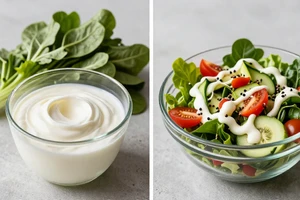
Iron is essential for transporting oxygen in your blood, but the type of iron matters. Non-heme iron, which comes from plant sources like spinach, beans, and lentils, is not as easily absorbed as the heme iron found in meat. A simple trick to boost its absorption is to pair it with vitamin C.
For example, a squeeze of lemon over a spinach salad or adding bell peppers to a bean chili can significantly increase how much iron your body pulls from the meal. Vitamin C acts like a chemical helper that makes non-heme iron more soluble and easier for your gut to capture. This is a safe, easy adjustment that does not require supplements.
Eat Healthy Fats and Fat-Soluble Vitamins Together
Vitamins A, D, E, and K are fat-soluble, meaning they need dietary fat to be absorbed. If you are eating a completely fat-free meal, your body will not absorb these critical nutrients well. Dietitians recommend adding a small amount of healthy fat to meals that include these vitamins.
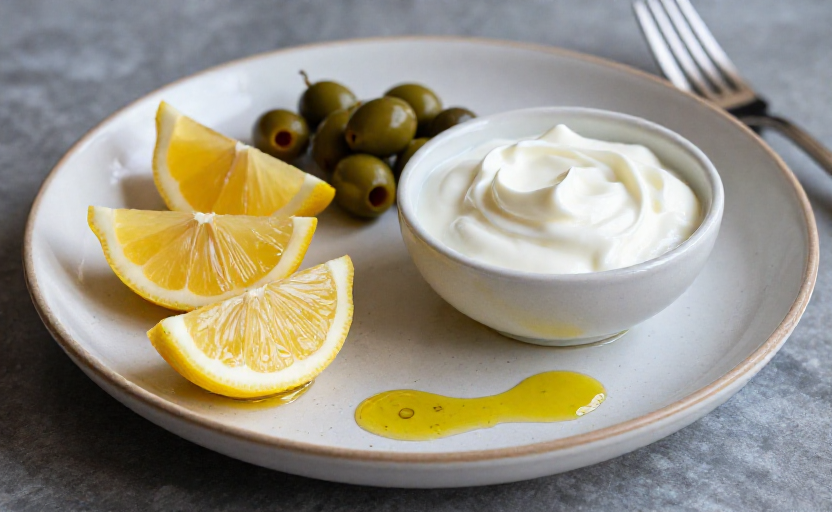
A drizzle of olive oil on roasted carrots (vitamin A), adding avocado slices to a salad (vitamin K), or eating eggs with a bit of butter (vitamin D) are all effective strategies. The fat does not need to be excessive—just a tablespoon or two of a quality source can do the job.
Quick tip: Include nuts, seeds, avocado, or olive oil in meals featuring colorful vegetables to ensure you absorb their full nutrient profile.
Mind Your Gut Health with Prebiotics and Probiotics
Nutrient absorption largely occurs in the small intestine, but the health of your entire digestive tract matters. A balanced gut microbiome helps break down food and can even synthesize some vitamins. Prebiotics (fiber that feeds good bacteria) and probiotics (live beneficial bacteria) work together to support this ecosystem.
Good sources of prebiotics include garlic, onions, bananas, and oats. Probiotic-rich foods like yogurt, kefir, sauerkraut, and kimchi introduce healthy bacteria. Eating these regularly helps your gut become more efficient at pulling nutrients from your meals.
Fiber itself also plays a role. Soluble fiber, found in foods like oatmeal and apples, helps slow digestion, which can improve the absorption of certain nutrients like calcium and magnesium.
Be Mindful of Medications and Timing
Some common medications can interfere with nutrient absorption. For instance, antacids can reduce stomach acid, which is necessary for absorbing vitamin B12 and calcium. If you take medication for acid reflux or other stomach conditions, you may need to be more intentional about eating nutrient-dense meals and possibly timing your food intake.
Additionally, calcium can inhibit iron absorption when taken together at high doses. If you take a calcium supplement, it is often better to take it at a different time than an iron-rich meal or supplement. Tea and coffee contain tannins and polyphenols that can also bind to iron, reducing its absorption. Try drinking these beverages between meals rather than with your main sources of iron.
Soak, Sprout, and Cook Certain Foods
Grains, legumes, nuts, and seeds contain natural substances called antinutrients—like phytic acid and oxalates—that can bind to minerals and reduce absorption. Cooking often helps, but specific traditional preparation methods are even more effective.
Soaking beans and lentils overnight before cooking can reduce phytic acid levels significantly. Sprouting grains and seeds can also lower antinutrient content while increasing enzyme activity that aids digestion. For vegetables like spinach and Swiss chard that are high in oxalates (which can block calcium absorption), lightly steaming or cooking them is better than eating them raw if you are concerned about calcium uptake.
Avoid Over-Reliance on Raw Vegetables
While raw vegetables are healthy, cooking them can make certain nutrients more bioavailable. Lycopene, a powerful antioxidant found in tomatoes, becomes much easier for your body to absorb after cooking. Similarly, beta-carotene in carrots is released more readily when they are cooked with a little fat.
The key is balance. Eating a mix of raw and cooked vegetables ensures you get the benefits of heat-sensitive nutrients like vitamin C (which degrades with heat) while also making others more digestible.
Stay Hydrated, But Not During Meals
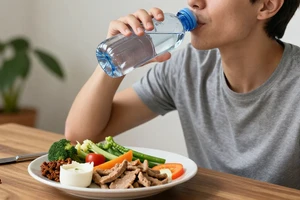
Water is essential for digestion, but drinking large amounts of liquid with your meal can dilute stomach acid and enzymes, potentially slowing down the breakdown of food. This is especially relevant for protein and mineral absorption. Dietitians often suggest drinking most of your water between meals, keeping sip sizes small during the meal itself.
Proper overall hydration keeps the mucosal lining of your intestines healthy, which is where nutrient absorption happens. Aim for consistent water intake throughout the day, not just a flood at mealtime.
Improving nutrient absorption is not about overhauling your entire diet overnight. Small, mindful tweaks like a squeeze of lemon on greens, a drizzle of oil on vegetables, or soaking your beans before cooking can add up to real benefits. These strategies help you get more value from the food you eat, supporting your overall health without requiring expensive supplements or complicated plans.