Forget the rigid rules and restrictive diets. The most sustainable way to eat well isn't about eliminating entire food groups; it's about learning how they work together. Two of the most discussed—and often misunderstood—nutrients are fats and carbohydrates. Getting their balance right in your meals can be the key to steady energy, lasting satisfaction, and supporting your overall health.
We've moved beyond the era of fearing all fats or banishing all carbs. Modern nutrition guidance focuses on the quality of these macronutrients and how to combine them thoughtfully on your plate. It’s a practice of harmony, not deprivation, and it’s something dietitians help clients with every day.
Why Balance Matters More Than Elimination
Your body uses carbohydrates as its primary, fast-acting fuel source. Fats, on the other hand, are crucial for absorbing vitamins, building hormones, and providing a slow-burning, sustained energy reserve. When you pair them intelligently in a meal, you create a synergistic effect.
Carbohydrates alone, especially refined ones, can cause a rapid spike and subsequent crash in blood sugar, leaving you hungry and tired soon after eating. Adding healthy fats, protein, and fiber to that meal slows down digestion, leading to a more gradual release of energy. This balance helps you feel full and focused for hours, curbs cravings, and supports stable mood and energy levels throughout the day.
Think of your meal as a team: carbs provide the quick spark, while fats and protein ensure the fire burns long and steady.
Choosing Your Carbs: The Quality Spectrum
Not all carbohydrates are created equal. Dietitians encourage focusing on complex carbohydrates, which are packed with fiber, vitamins, and minerals. These are your foundational energy sources.
- Whole Grains: Think quinoa, brown rice, oats, barley, and whole-wheat bread or pasta.
- Starchy Vegetables: Sweet potatoes, squash, peas, and corn.
- Legumes: Beans, lentils, and chickpeas, which are also excellent sources of plant-based protein.
- Fruits: Whole fruits like berries, apples, and oranges, which contain natural sugars along with fiber.
These foods digest slowly, thanks to their fiber content, providing a steady stream of glucose to your cells. The goal is to make these the default choice, while viewing refined carbs—like white bread, pastries, and sugary drinks—as occasional items rather than staples.
Selecting Your Fats: Focusing on the Beneficial
The world of dietary fats has its heroes and villains. The beneficial fats are essential for health and are a non-negotiable part of a balanced plate.
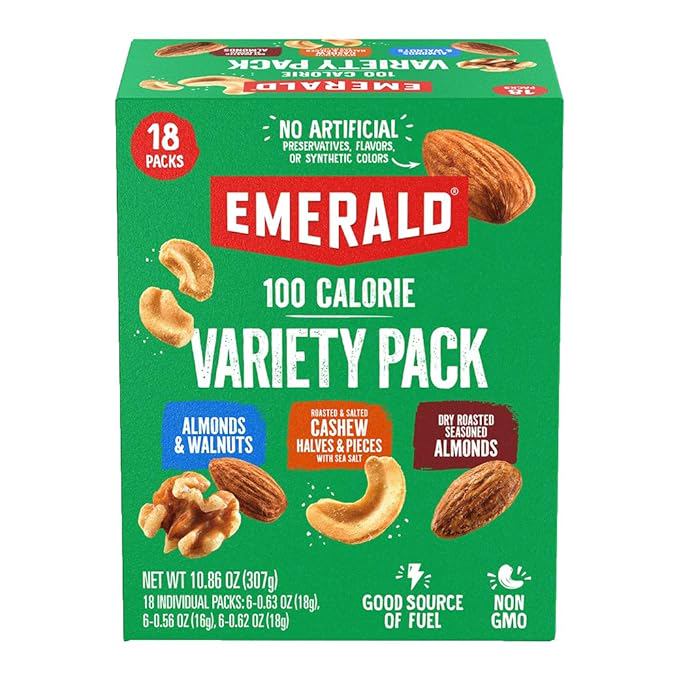
- Monounsaturated Fats: Found in olive oil, avocados, and many nuts (like almonds and cashews).
- Polyunsaturated Fats: This includes the famous omega-3 and omega-6 fatty acids. Sources are fatty fish (salmon, mackerel), walnuts, flaxseeds, chia seeds, and sunflower oil.
These fats support heart and brain health and are fantastic for adding flavor and satiety to meals. Saturated fats, found in red meat and full-fat dairy, can be included in moderation, while it's best to avoid artificial trans fats found in some processed foods.
The Dietitian's Plate: A Practical Framework
So, what does this balance look like in reality? A simple visual framework can guide you without needing to count grams.
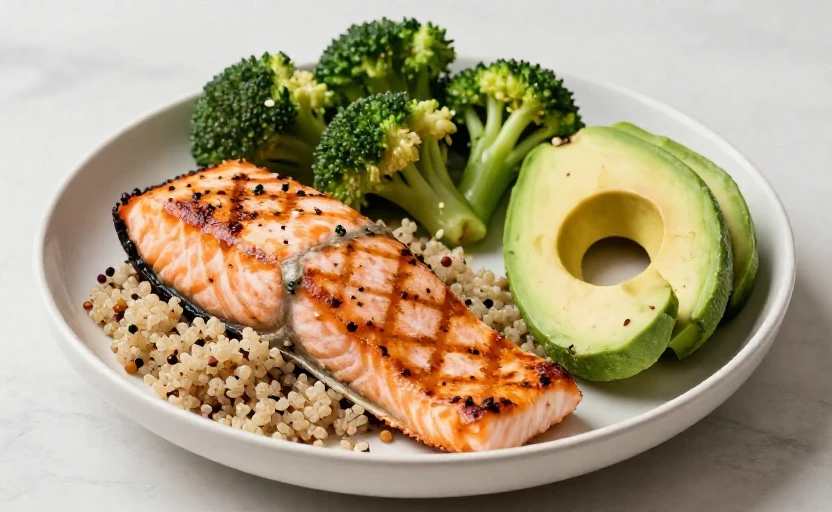
Imagine your plate divided. Fill roughly half with non-starchy vegetables (like leafy greens, broccoli, peppers, and tomatoes). These are low in calories and carbs but high in volume and nutrients. Then, divide the other half of your plate between a quality protein source (chicken, fish, tofu, tempeh, legumes) and a complex carbohydrate. Finally, add a serving of healthy fat—this could be a drizzle of olive oil on your vegetables, a quarter of an avocado sliced on the side, or a small handful of nuts sprinkled over your meal.
This isn't a rigid formula for every single meal, but a reliable template to return to. A breakfast bowl of oatmeal (complex carb) topped with walnuts (fat and protein) and berries fits. So does a lunch salad with grilled chicken (protein), quinoa (complex carb), lots of veggies, and an olive oil-based dressing (fat).
Adjusting for Your Needs
This balance isn't one-size-fits-all. An athlete preparing for a long training session might need a larger portion of carbohydrates for available energy. Someone following a specific medical protocol, like a ketogenic diet for epilepsy, would adjust this ratio significantly under professional guidance. For general wellness, the plate method provides a flexible and sustainable starting point.
Common Pitfalls and How to Avoid Them
Even with good intentions, it's easy to get the balance off. One common mistake is the "fat-free trap," where removing fat from a meal (like a fat-free dressing on a salad) can leave you unsatisfied and more likely to snack later, as fat is key for satiety. Conversely, a meal heavy in fried foods and fatty meats but lacking in complex carbs and fiber may lead to sluggishness.
The other pitfall is overlooking added sugars, which are carbohydrates in disguise. That fat-free yogurt might be loaded with sugar, or that healthy-looking granola bar might contain more sweetener than whole grains. Reading labels helps you see the full picture of what's on your plate.
Balancing fats and carbs is a skill that becomes intuitive with practice. It’s about building meals that are as satisfying as they are nourishing. By prioritizing whole-food sources of both nutrients and combining them thoughtfully, you create a pattern of eating that fuels your life steadily and reliably, without the need for extreme rules or trends.