When we think about building a resilient immune system, the conversation often turns to the latest superfood or supplement. But according to leading experts in metabolic health, the foundation of immunity is built on a few fundamental, well-researched nutrients. We spoke with a top Indian diabetologist to understand which essentials are non-negotiable for supporting your body’s natural defenses, especially in the context of overall metabolic wellness.
The connection between nutrition and immune function is clear: your body’s army of defender cells needs specific fuels to develop, communicate, and mount an effective response. Skipping these key nutrients is like sending soldiers into battle without proper equipment. For individuals managing conditions like diabetes, this nutritional support becomes even more critical, as balanced blood sugar and robust immunity are deeply intertwined.
Why Focus on Zinc, Vitamin C, and Vitamin D?
While a diverse diet is paramount, these three micronutrients stand out for their direct and powerful roles in immune regulation. They act as co-factors for enzymes, support the production of immune cells, and provide antioxidant protection. The diabetologist emphasizes that ensuring adequate intake of these three can address common gaps in modern diets and form a solid nutritional base for year-round wellness.
1. Zinc: The Immune System’s Conductor
Think of zinc as the meticulous conductor of your immune orchestra. It’s essential for the normal development and function of many immune cells, including neutrophils and natural killer cells. Zinc also plays a vital role in calming the inflammatory response once a threat is neutralized, preventing unnecessary collateral damage to healthy tissues.
A deficiency in zinc can lead to a noticeable increase in susceptibility to infections and a slower healing process.
Including zinc in your diet requires a bit of mindfulness, especially for vegetarians. Plant-based sources like legumes and seeds contain phytates, which can inhibit zinc absorption. Soaking, sprouting, or fermenting these foods can help improve bioavailability.
Foods rich in zinc include:
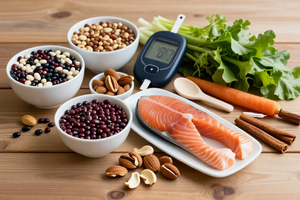
- Legumes: lentils, chickpeas, beans
- Seeds: pumpkin, sesame, hemp
- Nuts: cashews, almonds, pine nuts
- Dairy products: milk, cheese, yogurt
- Whole grains
- Shellfish, eggs, and lean meats
2. Vitamin C: The Versatile Protector
Vitamin C is far more than a simple cold remedy. This potent antioxidant supports the immune system in several ways: it encourages the production and function of white blood cells, helps protect these cells from oxidative damage as they fight invaders, and is crucial for the health of your skin’s barrier—your body’s first line of defense.
Since our bodies cannot store vitamin C, a consistent daily intake from food is ideal. The good news is that it’s abundant in a colorful array of fruits and vegetables.
Excellent sources of vitamin C are:
- Citrus fruits: oranges, grapefruit, lemons
- Bell peppers (especially red and yellow)
- Kiwi, strawberries, and papaya
- Broccoli, Brussels sprouts, and cauliflower
- Tomatoes and tomato juice
3. Vitamin D: The Sunshine Regulator
Often called the sunshine vitamin, vitamin D functions more like a hormone and is a master regulator of immune function. It helps direct immune cells to the site of infection and modulates their activity, ensuring the response is effective but not excessive. Widespread deficiency makes this a priority nutrient for many.
Regular, sensible sun exposure on bare skin is the most natural way to boost vitamin D levels.
Dietary sources are fewer, but they contribute meaningfully, especially when sunlight is limited.
Foods that provide vitamin D include:
- Fatty fish: salmon, mackerel, sardines
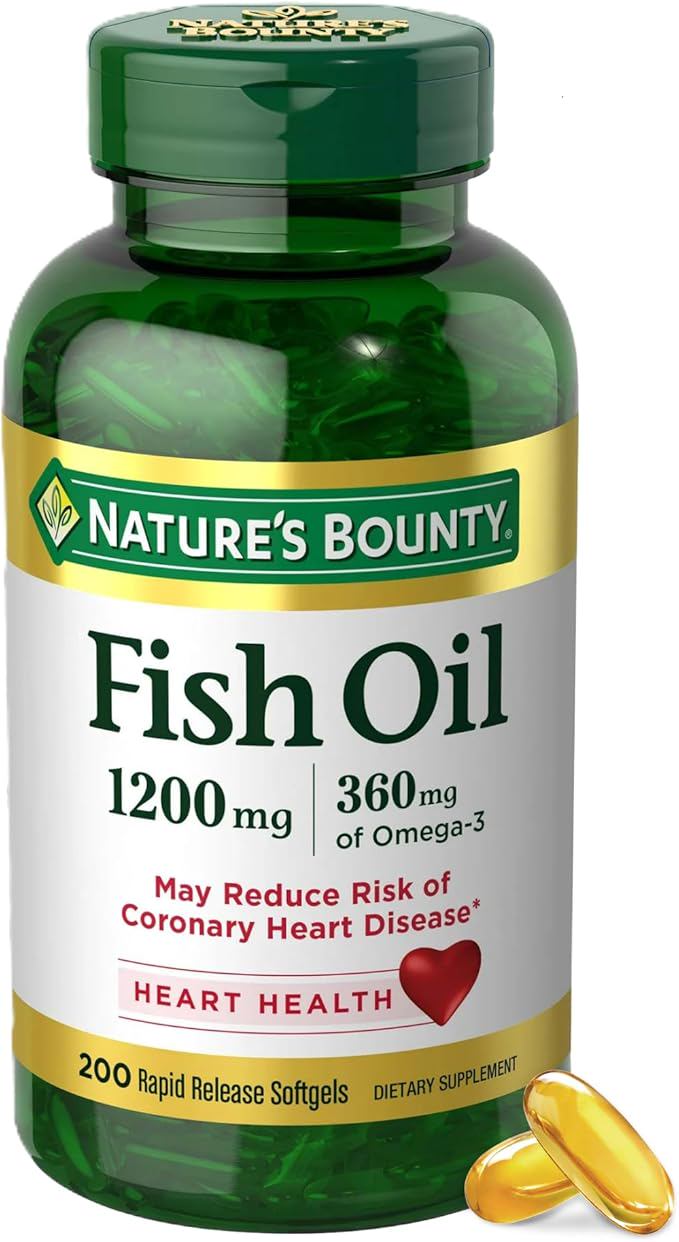
- Cod liver oil
- Egg yolks
- Fortified foods: milk, plant-based milks, orange juice, and cereals
- Mushrooms exposed to ultraviolet light
Bringing It All Together on Your Plate
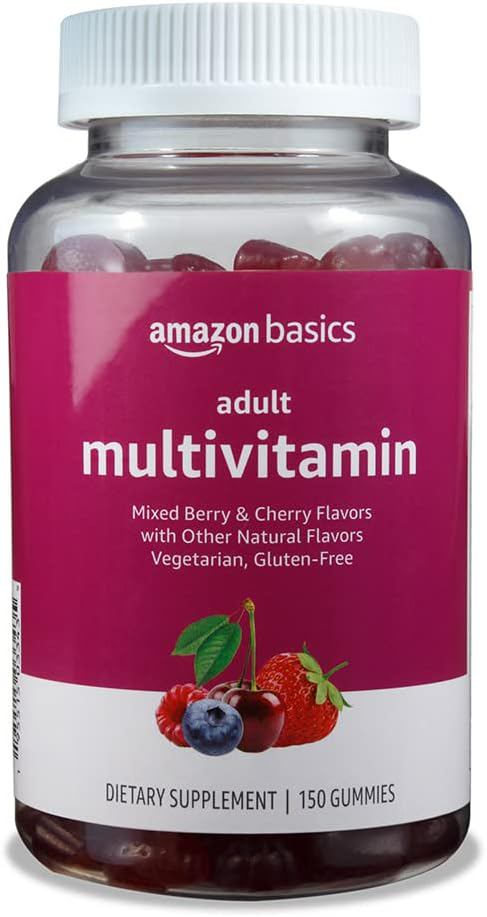
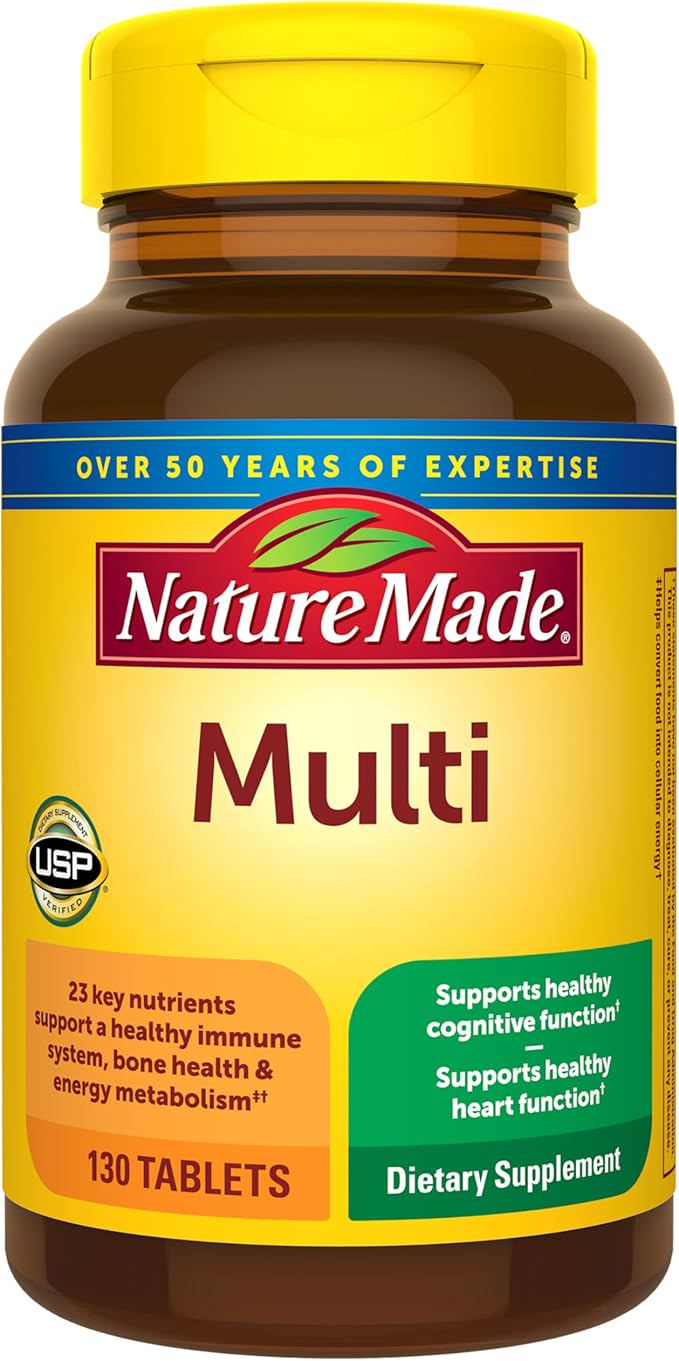
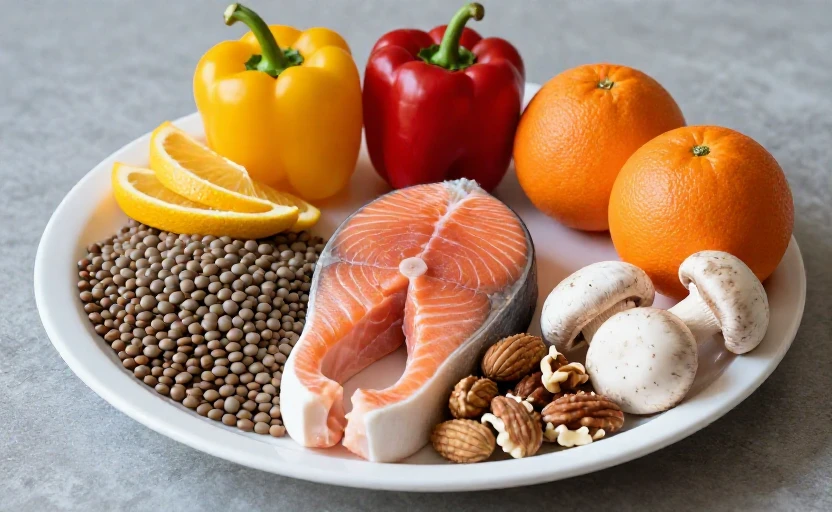
The expert’s advice isn’t about chasing exotic ingredients; it’s about consistent, intelligent nourishment. Aim for a plate that regularly features a combination of these foods. A day’s meals might include a lentil curry (zinc) with a side of sautéed bell peppers (vitamin C), a serving of fortified yogurt, and later, a small handful of nuts. For those with dietary restrictions, significant gaps, or confirmed deficiencies—common with vitamin D—consulting a healthcare provider about appropriate supplementation is a prudent step.
Ultimately, building strong immunity is a marathon, not a sprint. By prioritizing these three essential nutrients through a balanced, whole-food diet, you provide your body with the fundamental tools it needs to maintain its defenses, support metabolic health, and promote overall resilience.