
Your body is changing fast, and your yoga practice may feel different than it did a few months ago. Tight hamstrings are a common complaint during pregnancy, especially as your center of gravity shifts and your pelvis tilts forward. But how do you know whether that tension in the backs of your legs is just part of the process — or a sign that something needs your attention?
Here are three early warning signs that your tight hamstrings may be signaling a problem during prenatal yoga, along with what you can do to stay comfortable and safe.
1. A sharp, pulling sensation behind your knee when you straighten your leg
A mild stretch in the back of your thigh is normal. But if you feel a sudden, sharp, or localized pull behind your knee — especially in poses like Downward-Facing Dog or Seated Forward Fold — that is a warning sign. This sensation often means your hamstrings are overstretched or that your pelvis is tilted too far forward (anterior pelvic tilt), putting extra strain on the muscles and connective tissue.
What to do: Back off the pose immediately. Bend your knees generously in forward folds and keep a microbend in your legs during standing poses. Focus on lengthening your spine rather than trying to reach your toes.
2. Lower back pain that worsens when you extend your legs
Tight hamstrings often pull on your pelvis, which can tug your lower back into a more arched position. During pregnancy, your lower back already carries extra load from your growing belly. If you notice that lower back pain intensifies when you straighten your legs in poses like Staff Pose or Standing Forward Fold, your hamstrings may be the root cause.
This kind of discomfort is different from the general lower back ache many pregnant people experience — it is specifically triggered or worsened by hamstring lengthening. Ignoring it can lead to pelvic instability or sciatic nerve irritation.
What to do: Avoid deep forward folds with straight legs. Instead, try Supta Padangusthasana (Reclined Hand-to-Big-Toe Pose) with a strap, keeping your knee bent. Place a rolled blanket under your thighs in seated poses to tilt your pelvis forward and reduce hamstring strain.
3. A feeling of “buzzing” or trembling in the back of your thigh during holds
A little shakiness can be normal when you’re working a muscle. But if you feel a persistent buzzing, quivering, or trembling sensation specifically in the hamstring area — especially in poses like Warrior II or Chair Pose — it may indicate that the muscle is overworking to stabilize your changing pelvis. Over time, this can lead to muscle fatigue, cramping, or even a pulled hamstring.
This sign is easy to dismiss as “just being out of shape,” but during pregnancy, it often reflects a biomechanical shift: your hamstrings are trying to compensate for weakened glutes or an unstable core.
What to do: Reduce the depth of your stance in standing poses. Focus on engaging your glutes and core rather than gripping with your hamstrings. Practice Bridge Pose with a block under your sacrum to gently release the hamstrings without strain.
How to modify your prenatal yoga practice for tight hamstrings
If you’re experiencing any of these warning signs, here are a few general strategies to keep your practice safe and comfortable:
- Always warm up with gentle hip circles and ankle rolls before any standing or seated forward folds.
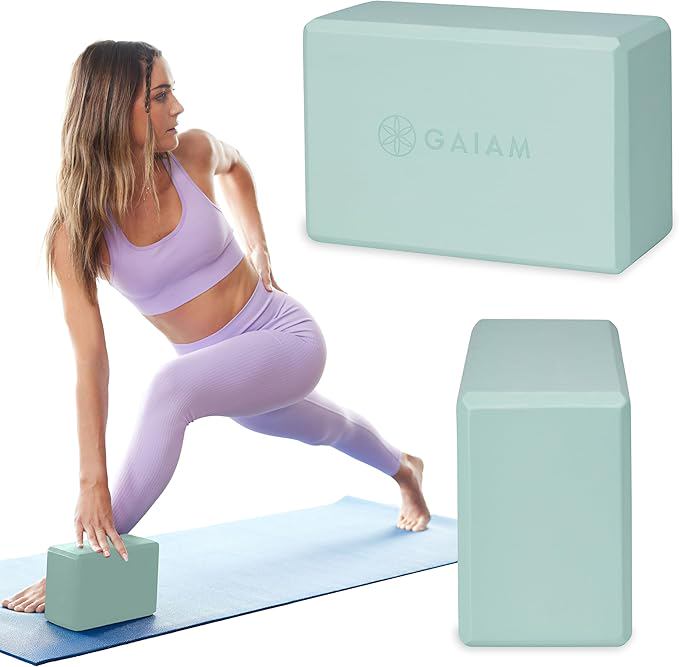
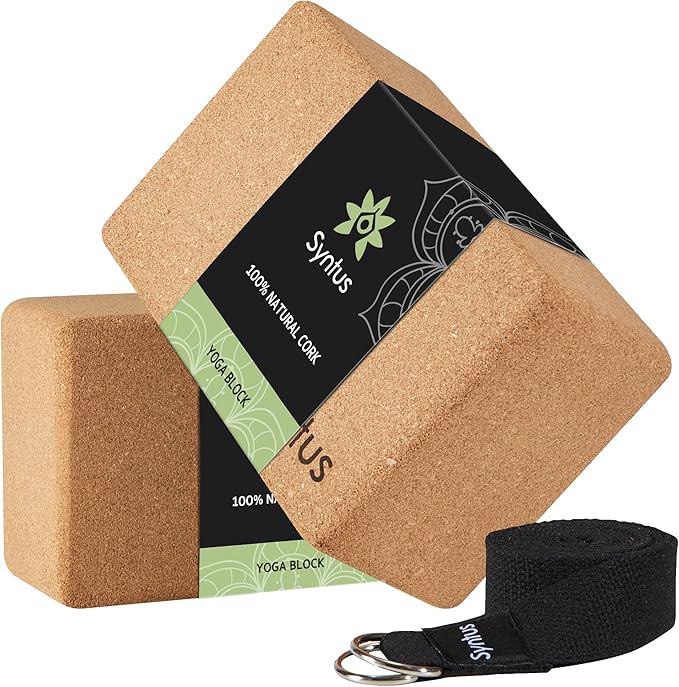
- Use props liberally. Blocks under your hands in forward folds, a strap for reclined leg stretches, and a blanket under your sit bones can make a huge difference.
- Keep a slight bend in your knees in all forward folds and standing poses — straight legs are not required for a good stretch.
- Shorten your stance in poses like Warrior I and Warrior II to reduce hamstring tension.
- Listen to your body. If something feels sharp, pinching, or unsteady, come out of the pose and rest.
Talk to your healthcare provider or a prenatal yoga instructor if tightness persists or worsens. They can help you determine whether your hamstrings need more rest, specific strengthening exercises, or a referral to a pelvic floor physical therapist.


![Tumaz Yoga Strap/Stretch Bands [15+ Colors, 6/8/10 Feet Options] with Extra Safe Adjustable D-Ring Buckle, Durable and Comfy Delicate Texture - Best for Daily Stretching, Physical Therapy, Fitness](https://www.glowtheorylab.com/uploads/ad202604/d62cf3b7330d7d4a.webp)