
If you're using yoga to rehabilitate a sore back, you're already doing the hard work — showing up on the mat, breathing through discomfort, slowly rebuilding mobility. But what happens on your plate can quietly undermine all of that effort. Certain foods are known to promote inflammation, slow tissue repair, and even amplify nerve sensitivity, which can turn a promising recovery session into a setback.
That's not to say you need a strict elimination diet. Small, targeted adjustments can make a tangible difference. Here are three foods that deserve extra attention when you're in a back-pain recovery phase, especially if yoga is your primary movement tool.
1. Processed Meats and Deli Cuts
Bacon, salami, hot dogs, and even seemingly harmless turkey slices from the deli counter share a common issue: they're high in advanced glycation end products (AGEs) and pro-inflammatory compounds like nitrates and sodium. These substances can trigger a low-grade immune response that keeps your body in a state of chronic inflammation.
For someone recovering from back strain, disc irritation, or muscle spasms, that background inflammation can keep the area feeling tight and tender. You might notice that your forward folds or gentle twists don't release as deeply, or that the familiar ache lingers long after savasana.
Swap suggestion: Choose fresh roast chicken, canned tuna in water, or sliced hard-boiled eggs for a quick protein source that won't fan the inflammatory flame.
2. High-Sugar Foods and Refined Carbohydrates
This category is broad — think sugary cereals, pastries, white bread, crackers, and sweetened yogurt cups — but the mechanism is consistent. Rapid spikes in blood sugar cause the body to release inflammatory cytokines, particularly interleukin-6 (IL-6) and tumor necrosis factor-alpha (TNF-alpha). For inflamed spinal tissues or tight paraspinal muscles, these chemical messengers can delay healing and increase pain perception.
During yoga recovery, your nervous system is already sensitive. A sugary snack before practice can lead to energy crashes and heightened perception of discomfort, especially in poses that challenge spinal extension or lateral bending.
Even natural sugars, like those in dried fruit or fruit juice, can be problematic if consumed in large amounts without protein or fiber to slow absorption. It's not about avoiding fruit — it's about avoiding concentrated sugar without a balancing nutrient.
3. Industrial Seed Oils in Fried or Ultra-Processed Foods
Soybean oil, corn oil, canola oil, and sunflower oil are inexpensive and ubiquitous. They're found in most restaurant fried foods, packaged chips, crackers, salad dressings, and even some "healthy" protein bars. These oils contain an excess of omega-6 fatty acids relative to omega-3s, which tilts your body toward a pro-inflammatory state.
When you're trying to calm irritated nerves and soft tissues after a yoga session, the last thing you need is more fuel for the fire. An imbalance of omega-6 to omega-3 can interfere with the production of specialized pro-resolving lipid mediators (SPMs) — compounds your body uses to actively resolve inflammation.
Many practitioners find that swapping fried foods for whole-food fats (like avocado, olive oil, nuts, and seeds) leads to noticeably less stiffness during hip openers and forward bends within just a few days.
Practical adjustments, not perfection
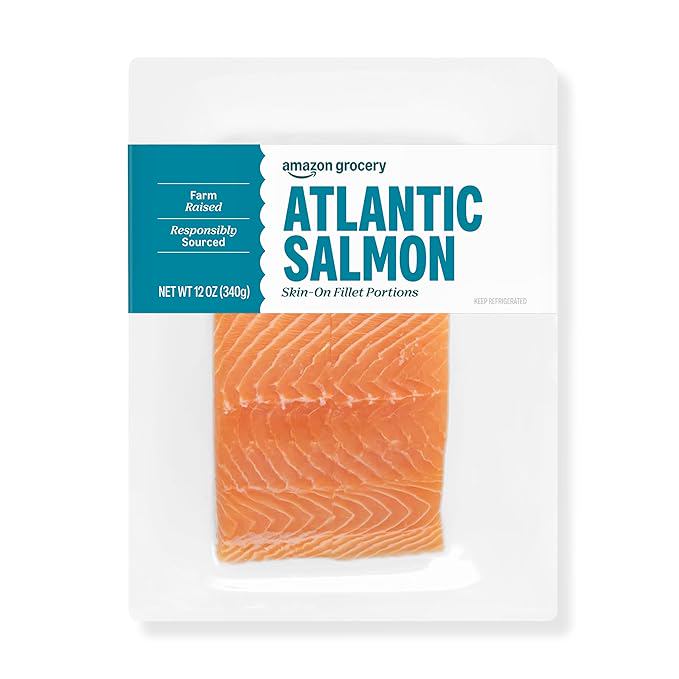
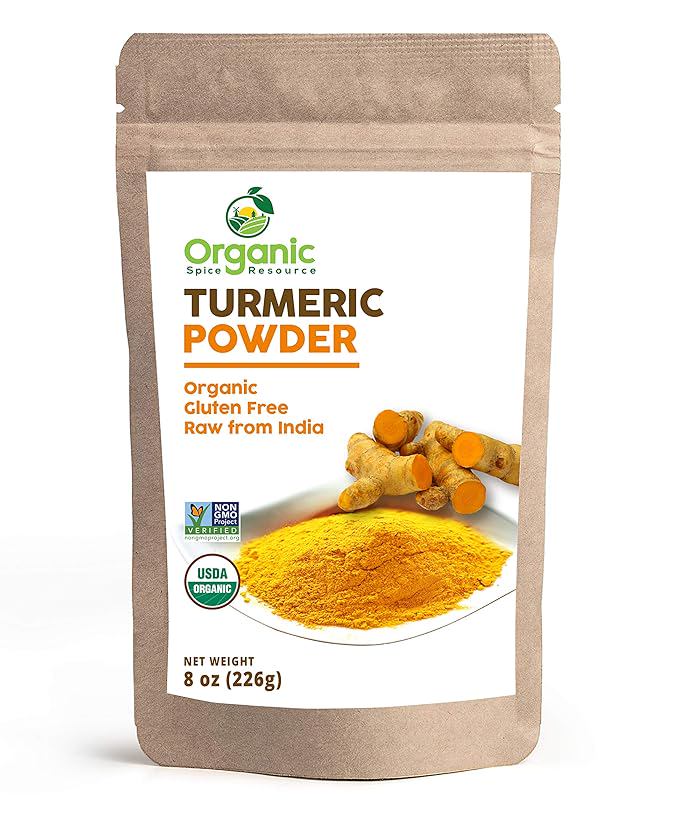
No single food is going to make or break your recovery. But consistently eating these three types of foods can keep you in a low-grade inflammatory loop that works against the very progress you're building on the mat. Aim to reduce them gradually — not eliminate everything at once — while increasing anti-inflammatory choices like leafy greens, fatty fish, berries, and turmeric.
Pay attention to how your body feels after meals. If you notice more soreness or sluggishness after certain foods, your back may be trying to tell you something. That awareness, combined with consistent yoga, is a powerful recovery tool.