
Finding a workout rhythm that builds strength, improves heart health, and keeps your knees happy can feel like a puzzle. Many of us have experienced that sharp twinge or dull ache that makes us second-guess our next move, wondering if we have to choose between fitness and joint comfort. The good news is you don’t. With a thoughtful approach to scheduling and movement selection, you can create a balanced weekly plan that supports all your goals while being a true friend to your knees.
This isn't about drastic restrictions or complicated protocols. It's about smart sequencing, choosing knee-friendly alternatives, and listening to the feedback your body provides. The schedule outlined here is a template—a framework you can adapt based on your current fitness level, the equipment you have available, and how your body feels on any given day.
Why Your Knees Need This Balance
Knee pain often arises from an imbalance—either within the workout itself or in the body's supporting structures. Doing too much high-impact cardio without adequate strength work can leave the joints bearing repetitive force without the muscular stability to manage it. Conversely, focusing solely on strength, especially with heavy loads and limited range of motion, can neglect the cardiovascular system and tissue resilience.
A balanced week intentionally alternates stress and recovery. It pairs movements that build the muscles around the knee—like the quadriceps, hamstrings, and glutes—with cardio that minimizes pounding. This combination creates a protective effect: stronger muscles better absorb and distribute force, while varied movement patterns promote joint health and circulation.
Think of your weekly schedule not as a series of isolated workouts, but as a cohesive system where each day supports the next.
The Weekly Framework: A Blueprint for Balance
This sample schedule follows a simple pattern: strength, cardio, recovery, repeat. It assumes four days of active training, which is a sustainable sweet spot for many, with built-in rest and active recovery days. Feel free to shift days to fit your life.
Day 1: Lower Body Strength Focus
Start your week by building the foundation. Focus on controlled, compound movements that strengthen the posterior chain (glutes, hamstrings) and quads with good form. This sets up stability for the days ahead.
- Warm-up: 5-10 minutes of dynamic movement—leg swings, bodyweight squats, hip circles.
- Main work: Exercises like goblet squats (to a comfortable depth), hip thrusts or glute bridges, Romanian deadlifts (with light to moderate weight or bodyweight), and seated or lying leg curls if available. Aim for 3 sets of 8-12 reps, prioritizing control over speed.
- Cool-down: Gentle stretching for quads, hamstrings, and calves.
Day 2: Low-Impact Cardio & Mobility
After a strength day, choose cardio that gets your heart rate up without high impact. This promotes blood flow to aid recovery while maintaining cardiovascular fitness.
Excellent options include cycling (stationary or outdoor), swimming, using an elliptical machine, or a brisk walk on a flat surface. Aim for 30-45 minutes at a moderate, conversational pace. Follow this with 10-15 minutes of dedicated mobility work, focusing on ankle, hip, and thoracic spine mobility—all of which influence knee mechanics.
Day 3: Active Recovery or Complete Rest
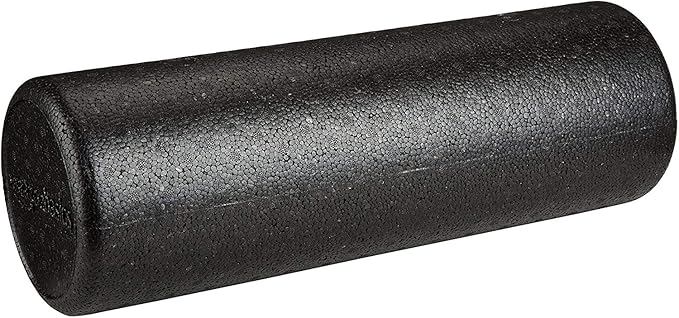
Listen to your body. If you feel stiff, a gentle activity like a leisurely walk, a yoga flow focused on lower-body flexibility (avoiding deep, loaded knee bends), or foam rolling can be wonderful. If you're fatigued or your knees are speaking up, honor a full rest day. Hydration and quality sleep are part of your training on this day.
Day 4: Upper Body & Core Strength
Give your lower body a break from direct loading while still engaging your core. A strong core contributes to overall stability, which can improve movement patterns during lower-body exercises.
Structure this like a traditional upper-body session with pushes (e.g., push-ups, overhead presses), pulls (e.g., rows, lat pulldowns), and core work (e.g., planks, dead bugs, Pallof presses). This day maintains your strength training momentum without stressing the knees.
Day 5: Varied Cardio & Stability
Introduve variety. You might choose another session of your favorite low-impact cardio from Day 2, or try something different like using a rowing machine (which powerfully engages the posterior chain). After your cardio, add 10 minutes of stability work: single-leg stands, mini-band walks, or slow, controlled step-ups onto a low platform. This reinforces the strength built on Day 1 in a dynamic way.
Days 6 & 7: Choose Your Adventure
These two days are flexible. Ideal options include one full rest day and one day of optional joyful movement. This could be a long walk, a gentle hike, a recreational sport you love (played with mindfulness), or a fun fitness class that doesn't aggravate your knees. The key is to move because it feels good, not to hit a specific intensity target.
Movement Modifications to Keep in Your Back Pocket
Even the best-laid plans need on-the-fly adjustments. Having a list of knee-friendly swaps empowers you to stay consistent.
- Instead of running or jumping: Swap for cycling, elliptical, swimming, or incline walking.
- Instead of deep lunges: Try reverse lunges (often easier on the knee joint) or stationary split squats with a limited range of motion.
- Instead of box jumps: Use step-ups with a controlled tempo.
- During any lower-body exercise: Pay attention to knee tracking. Avoid letting your knees cave inward; aim to keep them aligned with your second and third toes.
Pain is a signal, not a challenge to overcome. Sharp pain during an exercise means stop, reassess, and modify.
Listening to Your Body: The Most Important Skill
This schedule is a guide, not a rigid mandate. Some weeks you may need an extra recovery day, or you might feel great and add another low-impact cardio session. Distinguish between muscular fatigue (a normal part of training) and joint pain (a warning sign).
Consistency over months and years is built on adaptability. If a planned workout seems daunting due to knee discomfort, it's perfectly acceptable—and smart—to replace it with a mobility session or extra recovery. Protecting your joints today ensures you can keep moving tomorrow.
By weaving together strength, smart cardio, and recovery, you build a resilient body capable of enjoying a wide range of activities. The balance is the goal, creating a sustainable practice that supports both your fitness ambitions and your long-term joint health.