For decades, a persistent myth has shaped how many of us think about food: the idea that plant-based proteins like tofu and lentils are somehow inferior, incomplete, or just not enough. This narrative has left countless people hesitant to swap out a chicken breast for a block of tofu or to build a meal around beans and rice. The truth is far simpler and more encouraging. The science of protein has moved well beyond the old headlines, and it’s time to clear things up.
That lingering worry—that you won't get "enough" protein from plants—is rooted in a misunderstanding that nutrition researchers have been trying to correct for years. Let's walk through what the evidence actually says, so you can feel confident reaching for that lentil soup or tofu stir-fry.
Where the “Incomplete” Protein Idea Came From
The protein myth originated from early research that classified proteins as either "complete" (containing all nine essential amino acids in sufficient amounts) or "incomplete" (lacking or low in one or more of those amino acids). Animal proteins like meat, eggs, and dairy fit neatly into the first category. Many plant proteins, such as those in beans, grains, nuts, and seeds, fell into the second.
But this framework was always a simplification. It failed to account for the fact that we eat mixed meals, not isolated nutrients. Your body doesn’t build muscle and repair tissue from a single protein source in isolation—it draws from the amino acid pool created by everything you eat over the course of a day.
As long as you eat a varied diet that includes different plant foods—like beans with rice, hummus with whole-wheat pita, or a lentil soup with a side of toast—your body gets all the amino acids it needs. The complementary strategy was once called “protein combining,” and for years it was presented as a strict rule. But researchers now understand that complementation happens naturally if you’re eating a balanced diet. You don’t need to micromanage it at every meal.
What Modern Research Says About Plant Protein Quality
We now know that your body is remarkably adaptable. Protein quality is still measured using the Digestible Indispensable Amino Acid Score (DIAAS), which considers both amino acid profile and digestibility. On this scale, soy protein (the basis of tofu and tempeh) scores very high—comparable to animal proteins. Lentils, chickpeas, and beans score well too, especially when paired with grains.
The biggest takeaway? Most adults in developed countries already exceed their minimum protein requirements. According to the National Academy of Medicine, the Recommended Dietary Allowance (RDA) for protein is 0.8 grams per kilogram of body weight per day. For a 150-pound person, that's about 55 grams of protein—easily achieved with a mix of plant foods. Active individuals and athletes often need more, but that can also be met with a well-planned plant-based diet.
Key point: The body doesn't care whether its amino acids come from a steak or a lentil. It cares about the total quantity and variety of amino acids available over a day.
Common Questions About Plant Protein
Is tofu really a good source of protein?
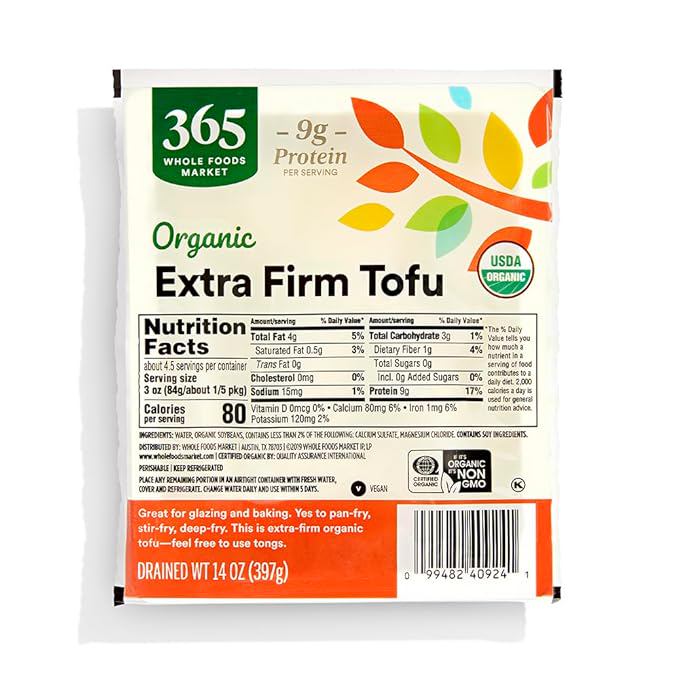
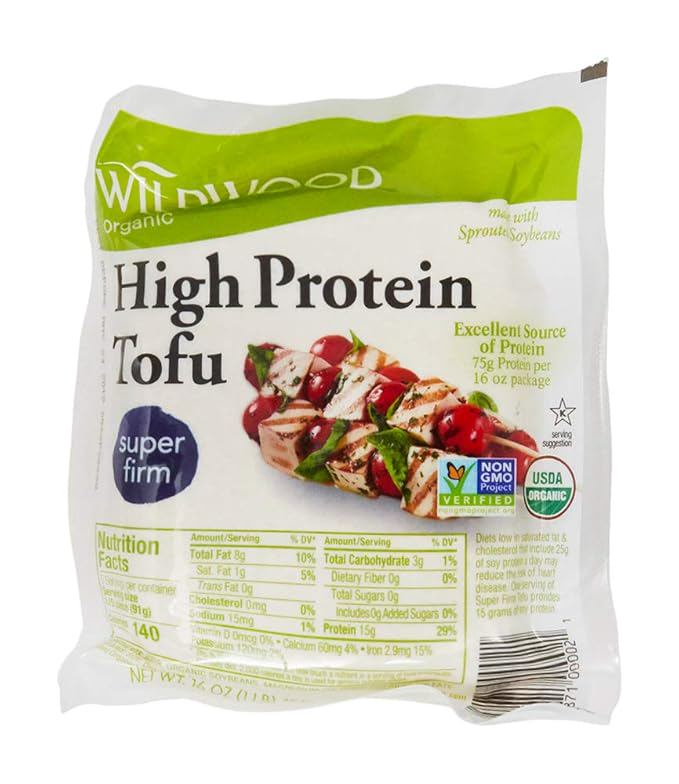
Absolutely. A half-cup serving of firm tofu contains roughly 10 to 20 grams of protein, depending on the brand and preparation. It also provides iron and calcium (if set with calcium sulfate). Tofu’s mild, adaptable flavor makes it a fantastic choice for everything from scrambles to stir-fries to smoothies.
Do lentils compare to chicken or fish?
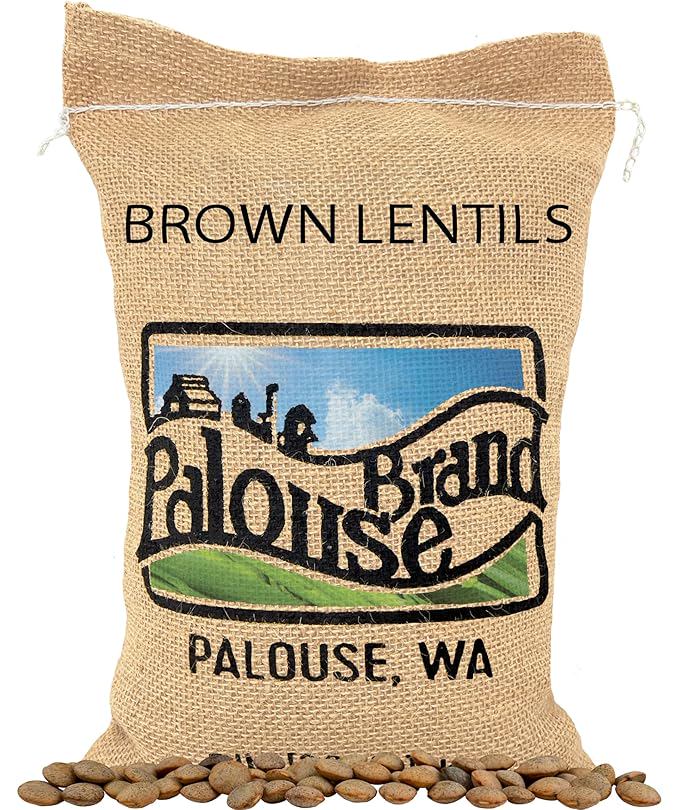
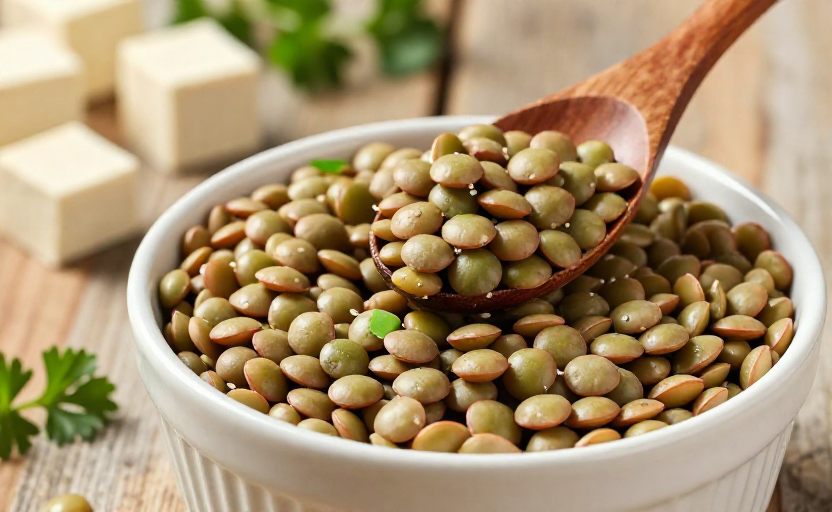
Lentils are a serious protein contender. One cup of cooked lentils provides about 18 grams of protein and 15 grams of fiber—a combination that supports satiety, blood sugar stability, and digestion. While chicken breast is denser in protein per gram, lentils bring additional nutrients (like folate, iron, and potassium) that animal proteins don’t offer as richly.
Is a bowl of lentil soup enough protein for a meal?
Sure—if the bowl also contains some grains or seeds. A lentil soup with rice, quinoa, or barley is a complete meal. If you’re building a salad bowl with lentils, adding a handful of pumpkin seeds or a side of whole-grain bread helps round out the amino acids.
The Real Barriers—Texture, Taste, and Habit
For many people, it’s not a protein concern that stops them from trying tofu and lentils. It’s unfamiliarity with texture and flavor.
- Tofu often gets a reputation for being bland, but that’s its strength. It absorbs marinades and sauces beautifully. Try pressing it, then marinating it in soy sauce, ginger, and garlic before pan-frying it crisp.
- Lentils come in various types—brown, green, red, black. Red lentils cook down soft and creamy (great for soups and dals), while green or brown lentils hold their shape nicely for salads and side dishes.
Cooking with these ingredients is a skill worth learning. Once you get comfortable, they become pantry staples that make weekday dinners fast, affordable, and nutritious.
What This Means for Your Plate
If you’ve hesitated to try tofu or cook lentils because of protein anxiety, you can let go of that worry. You don’t need to be a nutritionist to make it work. Eating a variety of whole plant foods throughout your day ensures you get all the essential amino acids your body requires.
And the benefits go beyond protein. Plant-based proteins come packaged with fiber, antioxidants, and phytonutrients. That fiber not only supports regular digestion but also feeds beneficial gut bacteria and helps manage cholesterol levels.
The protein myth that’s been keeping you from tofu and lentils is just that—a myth, not a red light. The next time you’re meal planning, consider swapping half the meat in a recipe for lentils, or trying a new tofu recipe. Your body knows how to handle it.