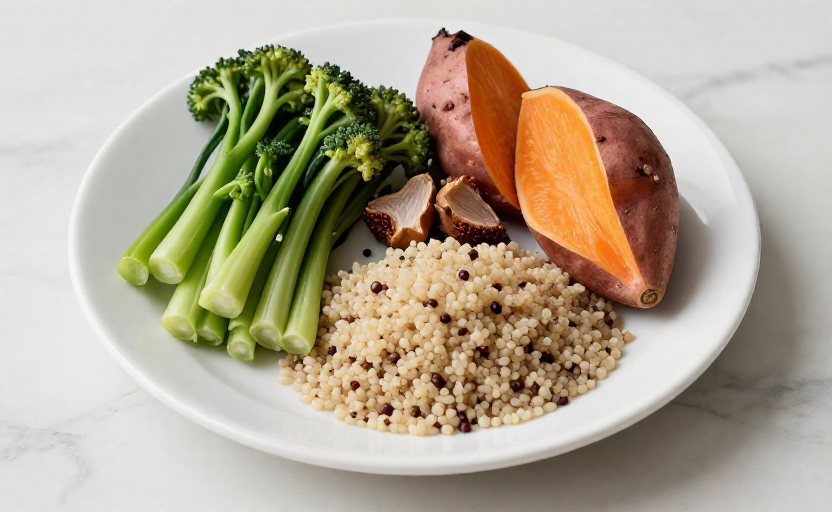
When we decide to eat more healthfully, our focus often lands squarely on what we’re eating. We swap white rice for quinoa, choose sweet potatoes over fries, and reach for whole-grain bread. It feels like a victory, and it is—to a point. But there’s a quiet, common oversight that can quietly unravel these good intentions, especially when it comes to carbohydrates we’ve deemed “healthy.”
The mistake isn’t choosing the wrong food; it’s forgetting that even nutritious foods have a place and a portion. We can easily fall into the trap of thinking “healthy” means “unlimited,” loading our plates with generous servings of brown rice, whole-wheat pasta, or roasted starchy vegetables because they’re good for us. This well-meaning habit can stall progress, whether your goal is balanced energy, weight management, or simply feeling your best.
Why Portion Control Matters, Even for Good Carbs
Carbohydrates are our body’s primary fuel source, and choosing complex, fiber-rich varieties is a cornerstone of healthy eating. These carbs provide sustained energy, essential nutrients, and dietary fiber crucial for digestion and satiety. The problem arises not from the food itself, but from volume.
All carbohydrates—refined or whole—are broken down into glucose in the body. While a whole grain releases this glucose slowly thanks to its fiber, eating a very large portion still means a significant total amount of glucose entering your system. Your body will use what it needs for immediate energy and to replenish glycogen stores in muscles and the liver. Any excess, regardless of the source, is converted and stored as fat.
The nutritional value of a food doesn’t cancel out its caloric content. A cup of quinoa has roughly the same calories as a cup of white rice; the difference is in the fiber, protein, and micronutrients that come with it.
This is where the portion control mistake hits home. We serve ourselves two cups of whole-grain pasta believing it’s a “clean” meal, not realizing that single serving might contain the carbohydrate equivalent of four slices of bread. The result can be a feeling of sluggishness after eating, difficulty managing weight, or wondering why your healthy diet isn’t yielding the vitality you expected.
Recognizing the Mistake on Your Plate
This error often shows up in subtle ways. It’s the oversized bowl of oatmeal topped with fruit and nuts that feels virtuous but leaves you ready for a nap by mid-morning. It’s the heaping portion of brown rice alongside your stir-fry that dominates the plate. It’s snacking on multiple handfuls of whole-grain crackers or popcorn because they’re “light,” forgetting that those portions add up.
Visual cues can help reset your perspective. A balanced plate for a meal might look like this:
- Half the plate filled with non-starchy vegetables (like leafy greens, broccoli, peppers, tomatoes).
- A quarter of the plate with a lean protein (like chicken, fish, tofu, legumes).
- A quarter of the plate reserved for your healthy, complex carbohydrate (like a fist-sized serving of sweet potato, quinoa, or whole-wheat couscous).
This framework naturally limits carb portions while ensuring you get volume and nutrients from vegetables and staying power from protein.
Practical Strategies for Getting Portions Right
You don’t need to weigh every grain of rice. A few simple habits can bring awareness and balance back to your meals.
Use Your Hands as a Guide
For most adults, a reasonable portion of cooked grains, legumes, or starchy vegetables at a meal is roughly the size of your clenched fist. This is a portable, personalized measuring tool you always have with you.
Plate Your Food Mindfully
Instead of serving family-style from large bowls on the table, plate your meals in the kitchen. Fill half your plate with vegetables first, then add protein, and finally, your carb portion. This method of “building” your plate prioritizes the most nutrient-dense foods and automatically controls portions.
Listen to Your Body’s Signals
Eat slowly and check in with yourself halfway through your meal. Are you still genuinely hungry, or are you eating because the food is there? The fiber in healthy carbs helps with satiety, but it takes about 20 minutes for your brain to register fullness. Giving yourself that time can prevent overeating even the best choices.
Consistency with moderate portions is far more sustainable and effective than alternating between deprivation and overconsumption.
The Bigger Picture: Sustainability Over Restriction
This isn’t about creating a new set of restrictive rules or fostering anxiety around food. It’s about alignment. Proper portion control allows you to enjoy the healthy carbohydrates you love—the creamy avocado on whole-grain toast, the satisfying bowl of lentil soup, the wild rice pilaf—as part of a diet that truly supports your well-being.
When you get the portions right, you fuel your body efficiently without the energy spikes and crashes. You make room for a wider variety of nutrients across all food groups. And you cultivate a peaceful, sustainable relationship with food where nothing is forbidden, but everything has its place. That’s the real foundation of lasting health.