You wake up, reach for your phone, and maybe a cup of coffee or tea before you've even fully opened your eyes. It feels harmless—even productive. But what if that first move of the day is quietly working against you, sabotaging how well your body absorbs the vitamins and minerals you need?
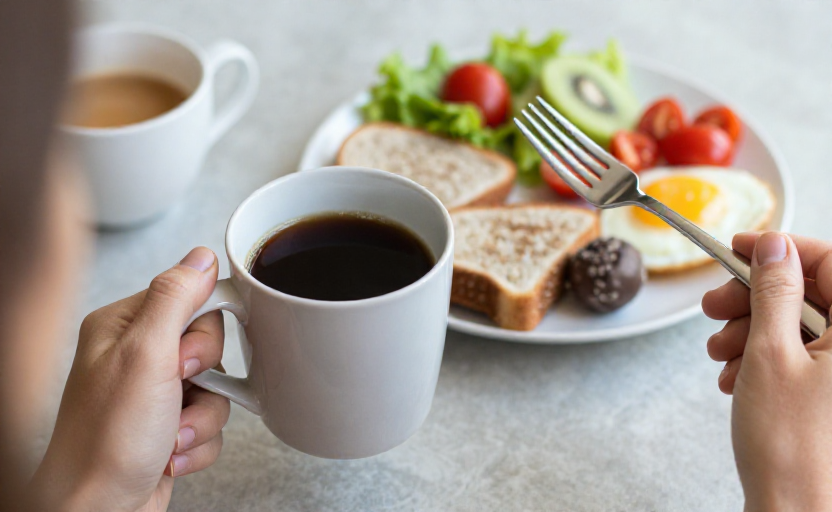
The morning habit in question isn’t dramatic or unusual. It’s drinking coffee or tea too close to breakfast. For many of us, that morning brew is the first thing that crosses our lips. Yet research suggests that timing matters. Consuming caffeine alongside or just before a meal can interfere with the absorption of key nutrients, especially iron and calcium.
Why coffee and tea can get in the way
Both coffee and tea contain compounds called tannins and polyphenols. When these compounds meet iron-rich foods—think eggs, fortified cereals, or spinach—they bind to the iron and make it harder for your body to absorb. The effect is most pronounced with non-heme iron, which is the type found in plant-based foods and supplements. Heme iron from animal sources is less affected, but it's not entirely immune.
Calcium is another nutrient that can take a hit. Calcium absorption is optimized when your body isn't competing with caffeine or other compounds. Drinking a latte with your morning omelet might feel like a balanced start, but the caffeine can reduce calcium uptake by a small but meaningful margin.
How long should you wait?
If you want to protect your nutrient absorption, the simplest strategy is to separate your caffeine from your meal. Wait at least 30 to 60 minutes after eating before you pour that cup of coffee, or flip the order: have your breakfast first, then your coffee. This small gap gives your digestive system time to process the food without interference.
Short on time? Try a glass of water with lemon or a small piece of fruit first thing—then enjoy your coffee with or after breakfast.
It’s not just coffee—other morning culprits
Tea drinkers aren’t off the hook. Black tea, green tea, and even some herbal teas contain tannins. The effect is strong enough that researchers have studied tea drinking as a factor in iron deficiency, particularly in populations that already have low iron stores. If you're someone who enjoys a strong cup of Earl Grey or matcha with your morning oatmeal, consider shifting your tea to mid-morning or between meals.
What about milk or plant-based milk in your coffee?
Adding milk to coffee changes the equation slightly. The calcium in dairy can bind with some of the tannins, which may reduce their effect on iron absorption. But it’s not a clean fix—the calcium itself still competes with other minerals. So while a splash of milk is better than black coffee for iron absorption, it doesn’t eliminate the need for timing.
Who should be most careful?
Not everyone needs to worry equally. People with existing low iron levels, pregnant women, vegetarians, vegans, and those with conditions like anemia are most vulnerable. If you fall into one of these groups, being mindful about caffeine timing can make a real difference in how well your body uses the nutrients from your meals.
That said, even if you're generally healthy, it's worth thinking about. Your body works hard to extract what it needs from food. Giving it a clear window—free of competing compounds—is a simple way to support that process.
Small adjustments, real benefits
This isn't about cutting out coffee or tea. It's about a small shift in timing. The same morning routine, just rearranged. For most people, the payoff is better absorption of iron, calcium, and possibly other minerals—without giving up the ritual you love.
Other morning habits to consider: drinking water before anything else, waiting 20 minutes after waking to eat (giving your digestion time to wake up), and avoiding high-dose vitamin C supplements on an empty stomach if you're prone to stomach upset. But the caffeine gap is one of the easiest fixes with the most research behind it.
Try it for a week: breakfast first, coffee later. Notice how you feel. Your body might just thank you for the pause.