
You’ve probably heard the advice a hundred times: take your fish oil or flaxseed capsule first thing in the morning for a brain and heart boost. But according to nutrition experts, that well-intentioned morning routine could be undermining the very benefits you’re trying to get. The issue isn’t the omega-3 itself—it’s what you pair it with.
Why Your Morning Coffee and Omega-3 Don’t Mix
For many of us, a morning routine begins with a hot cup of coffee or strong black tea. That caffeine kick feels essential, but when it comes to omega-3 absorption, it may be working against you. The tannins in coffee and certain teas can bind to the delicate fatty acids in omega-3s, potentially reducing how much your body actually absorbs. Add to that the fact that many people take their omega-3 supplement on an empty stomach, and the environment isn’t ideal for fat-soluble nutrient absorption.
Omega-3s are fat-soluble nutrients, meaning they require dietary fat to be properly broken down and absorbed by the body. A stomach full of black coffee—a beverage virtually free of fat—doesn’t provide the digestive conditions these fatty acids need. Over time, consistently taking omega-3s this way means you may be flushing a good portion of the benefit down the drain.
The Second Hidden Habit: Skipping a Fat Source
Even if you skip the coffee, just taking your omega-3 supplement with a glass of water first thing isn’t much better. Without a small amount of fat to facilitate absorption, the body struggles to incorporate those fatty acids into your cells. Experts suggest that athletes and health-conscious individuals who take omega-3s while fasting or during a calorie-restricted morning window may be reducing the efficacy of their supplementation.
A simple workaround: pair your omega-3 with a food that contains a little natural fat. Think a few walnuts, a portion of avocado, or a small spoonful of nut butter. This gives the body the lipid “carrier” it needs to shuttle the omega-3s into your system effectively.
When Should You Actually Take Omega-3?
If you want to maximize absorption, the timing matters less than the company you keep. The most evidence-backed recommendation is to take omega-3 supplements with your largest meal of the day, particularly one that includes some healthy fat. Research published in the Journal of the International Society of Sports Nutrition has shown that taking omega-3s with a meal that contains fat can increase bioavailability by as much as 200–300% compared to taking them on an empty stomach.
That means a breakfast that includes eggs cooked in olive oil, a yogurt bowl with chia seeds and almonds, or even a lunch with fatty fish like salmon is a better pairing than a standalone supplement. The goal is to create a digestive state where those fatty acids are welcomed, not wasted.
Practical Changes to Try Tomorrow
- Move your fish oil to lunch or dinner if you can’t imagine starting your day without coffee. This simple shift could significantly improve absorption.
- If you must take it in the morning, eat something first. A handful of almonds or a slice of avocado toast provides the fat needed for proper uptake.
- Avoid high-tannin drinks for at least an hour before or after your omega-3. Green tea, black tea, and coffee are common culprits.
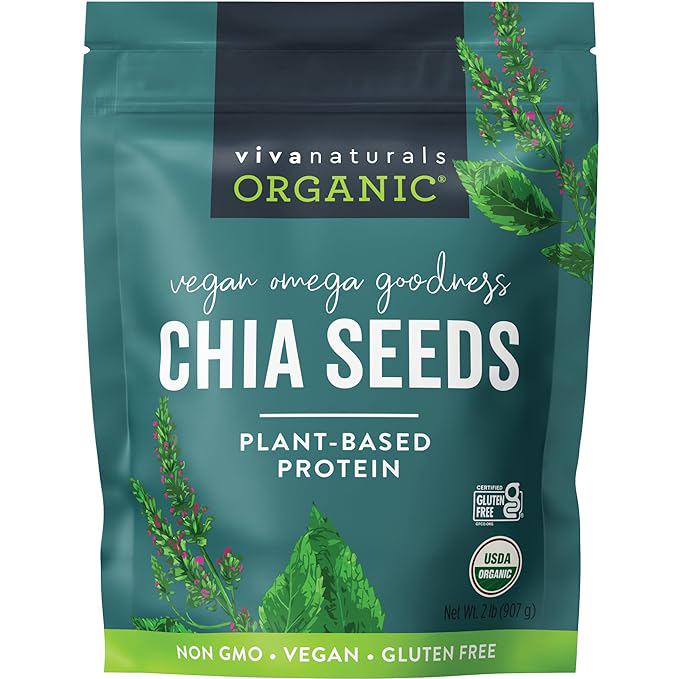
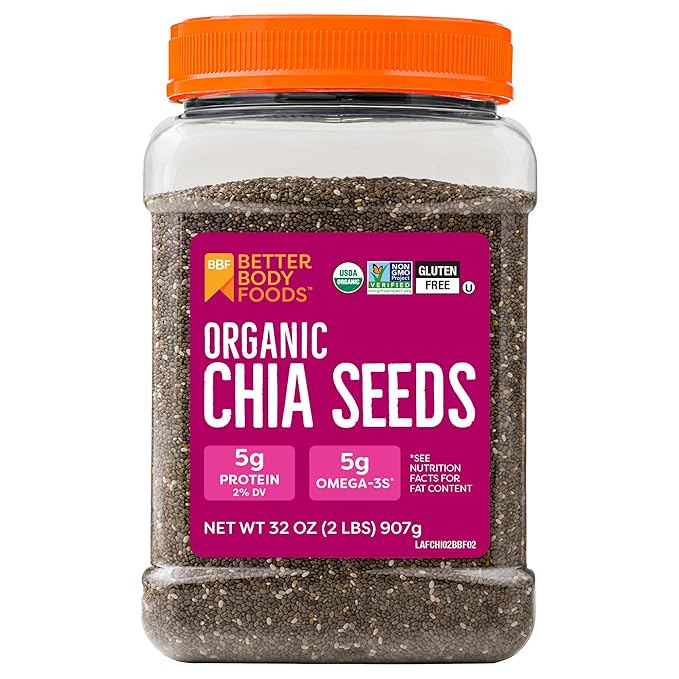
- Consider chia seeds or flaxseeds as food-based options. These whole foods naturally pair their omega-3s with fiber and a small amount of fat, which can aid digestion.
What About Plant-Based Omega-3?
The same principle applies whether you take fish oil (EPA/DHA) or a plant-based source like flaxseed oil (ALA). While the conversion of ALA to EPA/DHA is already limited in the body, poor absorption from a morning-only habit can further reduce the amount available. If you rely on flax or chia for your omega-3s, be especially mindful about pairing them with a fat source—such as a tablespoon of nut butter or a serving of full-fat yogurt.
Expert Tip: If you’re using ground flaxseed, sprinkle it over oatmeal or blend it into a smoothie with almond milk and a few walnut pieces. That combination naturally provides the co-factors for better absorption.
Does Morning Coffee Undo All the Benefits?
Let’s be clear—having a cup of coffee in the morning is not a health disaster, and it doesn’t completely negate the value of omega-3s. But if you are intentionally supplementing for a specific goal—such as reducing inflammation, supporting cognitive function, or improving heart health—you want to make sure your efforts are effective. Waking up and taking your omega-3 with black coffee is like watering a plant and then leaving it in the shade; the water matters, but the conditions also count.
A better approach is to separate the two. Have your coffee first, enjoy your morning, and then take your omega-3 later with a meal that contains a little fat. This small change can make a noticeable difference in how your body uses these essential fats.
At the end of the day, the best habit is one that works with your lifestyle, not against it. If taking omega-3s first thing is your only option, just add a small, fat-containing snack to the mix. For those who want to optimize their health investment, shifting timing or pairing the nutrient with the right foods is a simple and effective step.