You’ve likely heard the advice to eat a balanced diet, watch your carbs, and choose whole foods for stable blood sugar. But there’s another, often overlooked, factor that can quietly undermine your efforts: not when you eat, but the specific timing of your meals and snacks. A common pattern, especially on busy days, can set the stage for energy crashes and sugar spikes, even if your food choices are sound.
This mistake isn’t about skipping breakfast or late-night eating. It’s about the length of time you go without eating during your active hours. When gaps between meals stretch too long, your body’s delicate blood sugar management system can get thrown off balance, making the next meal more disruptive than it needs to be.
Why Long Gaps Between Meals Can Backfire
Think of your blood sugar like a steady stream, ideally flowing within a gentle, narrow channel. Food, particularly carbohydrates, raises the water level. Insulin, released by your pancreas, acts like a gatekeeper, helping to move that sugar out of your bloodstream and into your cells for energy or storage.
When you go many hours without eating—say, a light breakfast at 7 a.m. and then nothing until a 1 p.m. lunch—your blood sugar can dip quite low. This is a state of mild hypoglycemia. In response, your body sounds the alarm. It releases stress hormones like cortisol and glucagon to trigger the release of stored sugar (glycogen) from your liver, aiming to bring your levels back up.
This rebound effect can cause your blood sugar to overshoot, creating a higher starting point before your next meal even begins.
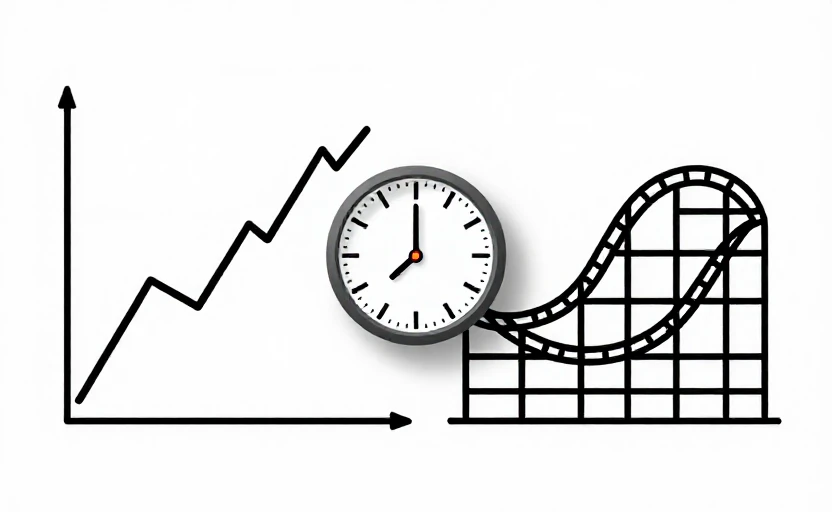
Now, when you finally eat that lunch, you’re starting from an elevated baseline. Your body has to work harder to process the incoming carbohydrates on top of that rebound sugar, often resulting in a sharper, more pronounced spike. This rollercoaster—crash, rebound, spike—strains your insulin response over time and can leave you feeling fatigued, irritable, and craving more quick-energy foods.
The Role of Protein and Healthy Fats
While timing is crucial, what you eat within that timeframe matters immensely. Meals and snacks built solely on refined carbohydrates digest quickly, leading to rapid rises and falls in blood sugar. This is where incorporating protein and healthy fats becomes a powerful strategy for stability.
These nutrients slow the digestion and absorption of carbohydrates. Imagine a complex carbohydrate like oatmeal. Eaten alone, it can raise blood sugar relatively quickly. But when you add a spoonful of almond butter (healthy fat) and some berries (fiber), the release of sugar into your bloodstream becomes much more gradual. This creates a gentler, longer-lasting source of energy and helps you feel satisfied for longer, naturally preventing those excessive gaps.
- Protein sources: Greek yogurt, eggs, lentils, chicken, fish, tofu.
- Healthy fat sources: Avocado, nuts, seeds, olive oil, full-fat dairy.
Including these elements in each meal isn’t about adding excessive calories; it’s about improving the metabolic quality of your food to support steady energy.
Finding Your Rhythm: Practical Timing Strategies
There’s no one-size-fits-all schedule, as individual needs vary based on activity, health status, and personal preference. The goal is consistency and prevention of prolonged fasting during your waking day.
For many people, eating something every 3 to 5 hours works well to maintain equilibrium. This might look like three balanced meals and one intentional snack. The key is to plan the snack proactively, not reactively when you’re already feeling ravenous and prone to less-optimal choices.
If you finish lunch at noon and know dinner won’t be until 7 p.m., a small snack around 3:30 or 4 p.m. can be a game-changer. This isn’t extra eating—it’s strategic fueling to prevent the pre-dinner crash and overeat.
What Makes a Stabilizing Snack?
A good snack for blood sugar balance combines a little carbohydrate with protein or fat. It should be satisfying but not a mini-meal.
- An apple with a small handful of almonds.
- Carrot sticks with hummus.
- A hard-boiled egg and a few whole-grain crackers.
- A small cup of plain Greek yogurt.
Listen to your body’s hunger cues. Mild hunger is a normal signal to eat. Intense, urgent hunger is often a sign you’ve waited too long and your blood sugar has already dipped significantly.
When to Be Especially Mindful
Certain situations make this timing mistake more likely and its effects more pronounced. If you have a demanding job with back-to-back meetings, work physically demanding shifts, or have a schedule that changes daily, planning becomes essential. Preparing a go-to snack the night before can help you stay on track.
Exercise also interacts with meal timing. A long, intense workout on an empty stomach can significantly lower blood sugar. Having a small, balanced snack about an hour before exercise, or a recovery snack afterward that includes protein and carbs, can help manage this.
It’s also worth noting that individual responses vary. Some people may do well with slightly longer intervals between meals, while others need more frequent nourishment. Paying attention to how you feel—your energy, focus, and mood—two to three hours after eating is your best personal guide.
Ultimately, managing blood sugar is a holistic practice. It combines thoughtful food choices with consistent timing. By avoiding the common pitfall of letting too many hours pass between meals, you give your body a steadier supply of fuel. This simple adjustment can smooth out energy highs and lows, support sustained focus, and take pressure off your metabolic systems, allowing you to feel your best throughout the day.