Get Advice
Home healthy-eating nutrition The Daily Mistake That Sabotages Protein Intake on a Vegan or Vegetarian Diet
nutrition 1 min read

The Daily Mistake That Sabotages Protein Intake on a Vegan or Vegetarian Diet

Written By Owen Blake
May 07, 2026
Reviewed by   Amelia Grant, RD
Strength training hobbyist and high-protein recipe developer. I make healthy eating feel less like a chore and more like a lifestyle you actually enjoy.
The Daily Mistake That Sabotages Protein Intake on a Vegan or Vegetarian Diet
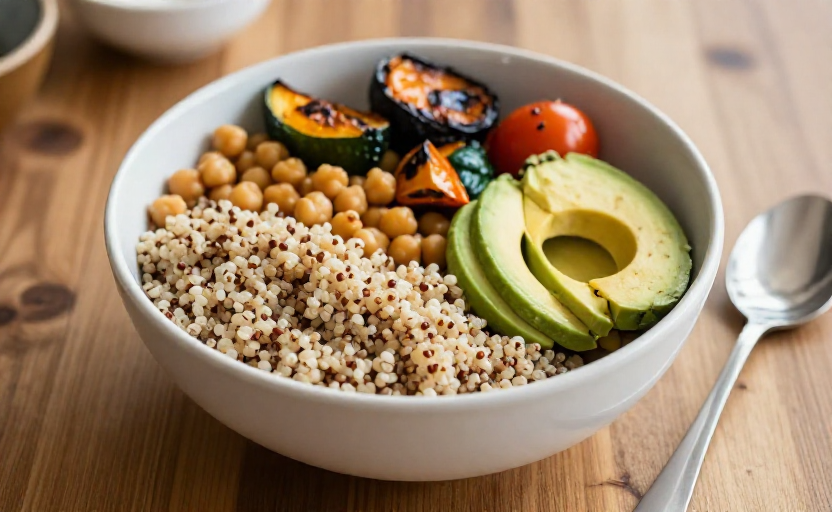
The Daily Mistake That Sabotages Protein Intake on a Vegan or Vegetarian Diet Source: Glowthorylab

Getting enough protein on a plant-based diet is not complicated—until small, seemingly harmless habits get in the way. Many people who switch to vegan or vegetarian eating worry about protein, but the real issue isn't a lack of high-protein foods. It is the daily mistake of relying on one or two protein sources at the expense of variety, timing, and complementary amino acids.

If you eat lentils with rice and call it a day, you are not alone. But that pattern—repeating the same few plant proteins without considering how they work together—can quietly undermine your intake. Here is how to spot the mistake and fix it without overcomplicating your meals.

Related FAQs
No. Your body pools amino acids from foods eaten throughout the day, not just in one sitting. As long as you eat a variety of plant proteins—like beans, lentils, grains, nuts, seeds, and soy—over the course of a day, you will get all the essential amino acids. The old 'combining at every meal' rule has been largely debunked by nutrition science.
The most common mistake is relying on just one or two protein sources repeatedly, such as only eating lentils or only having peanut butter toast. This limits the variety of amino acids and can lead to lower overall intake. Rotating sources like tofu, tempeh, quinoa, chickpeas, hemp seeds, and edamame ensures you get a fuller amino acid profile and more total protein.
General recommendations suggest about 0.8 grams of protein per kilogram of body weight for sedentary adults, but needs vary. Athletes, pregnant women, and older adults may need more. Plant-based eaters should aim for the upper end of recommendations (around 1.0–1.2 g/kg) because plant proteins are slightly less digestible than animal proteins. A registered dietitian can help personalize your target.
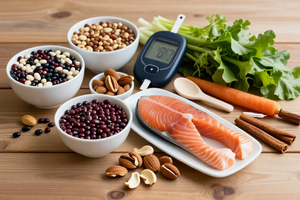
Yes. Plenty of plant-based eaters avoid soy and still meet their protein needs. Excellent non-soy sources include lentils, chickpeas, black beans, pinto beans, quinoa, hemp seeds, pumpkin seeds, almonds, peanuts, chia seeds, and whole grains like amaranth and teff. Combining different legumes with grains or seeds across meals will cover your amino acid requirements.
Key Takeaways
  • Repeating the same few plant protein sources daily limits your amino acid variety and total protein intake.
  • You do not need to combine proteins at every meal—your body pools amino acids from all foods eaten throughout the day.
  • Rotating protein sources like lentils, chickpeas, tofu, tempeh, quinoa, hemp seeds, and nuts is the key to adequate intake.
  • Plant proteins are slightly less digestible, so aim for a bit more total protein than the general recommendation.
  • Small habit changes—like adding hemp seeds to oatmeal or snacking on edamame—can make a significant difference.
Medical Note
This article is for informational purposse only and should not be taken asanb caring teotio ongpontyBeotot bacnts Spotiroeprofestional medical loloice. Awwver consux with a healthcart-professenar-tal for medical advice and ineatment.
Comments
  • No comments yet. Be the first to share your thoughts.
Leave a Comment
Login with Google to comment.