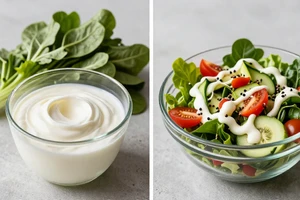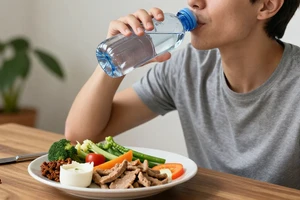
That afternoon pull toward a bag of chips or a sugary snack bar can feel automatic, but nutrition experts point to one everyday habit that can genuinely dial down those processed food cravings: prioritizing a fiber- and prebiotic-rich diet that supports gut health. Rather than relying on willpower alone, this approach works with your body's natural systems. The key lies not in restriction, but in feeding the trillions of microorganisms living in your digestive tract. When they are well-nourished, your cravings often settle on their own.
To understand why this works, it helps to clear up the difference between probiotics and prebiotics. Many people use the terms interchangeably, but they serve distinct and complementary roles in maintaining a healthy gut. A balanced gut environment is directly linked to fewer cravings for ultra-processed, high-sugar, and high-fat foods.
What Are Probiotics and Prebiotics?
Probiotics are live, beneficial bacteria that naturally reside in your body and can also be obtained from certain foods. These microorganisms support digestion, help absorb nutrients, and assist in immune function. They also work to eliminate toxins and produce natural compounds that keep harmful bacteria in check.
Prebiotics, on the other hand, are types of dietary fiber and carbohydrates that your body cannot digest on its own. They act as food for the probiotic bacteria. When you consume prebiotic-rich foods, they travel undigested to the colon, where probiotics ferment and consume them for energy. This process helps beneficial bacteria thrive and multiply.
Think of prebiotics as fertilizer for your gut garden. A robust colony of good bacteria is essential not just for digestion, but for signaling the brain to reduce cravings for the kinds of foods that disrupt that balance.
The Daily Habit That Cuts Cravings
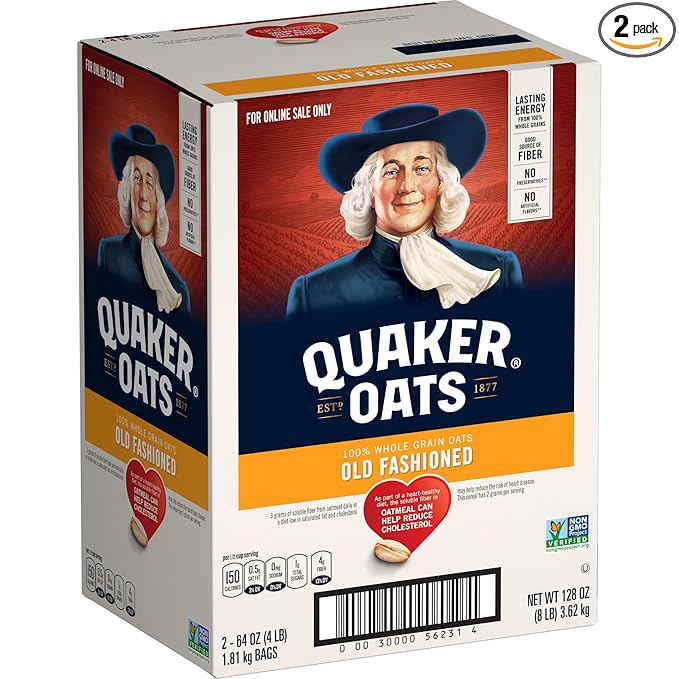
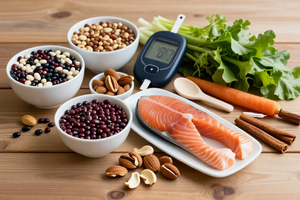
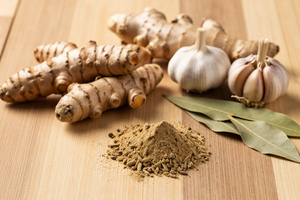
According to nutrition experts consulted on this topic, the single most effective daily habit for reducing processed food cravings is to consistently include prebiotic-rich whole foods at every meal. This is not about expensive supplements—it is about building meals around ingredients like oats, onions, garlic, leeks, asparagus, bananas, and barley. These foods feed your gut bacteria directly.
When your gut microbiome is starved of prebiotic fiber, the balance tilts toward less beneficial bacteria, which in turn can drive cravings for the sugar and refined carbs that help them flourish. By consistently feeding the good bacteria, you create a self-reinforcing cycle: a healthier microbiome sends better signals to your brain, which reduces the intensity of cravings for processed junk.
Tip: Aim for a serving of prebiotic fiber at breakfast—such as oatmeal with a sliced banana—and again at lunch or dinner, such as a side of roasted asparagus or a salad with raw onion. Consistency matters more than quantity.
Probiotic Foods to Support the Process
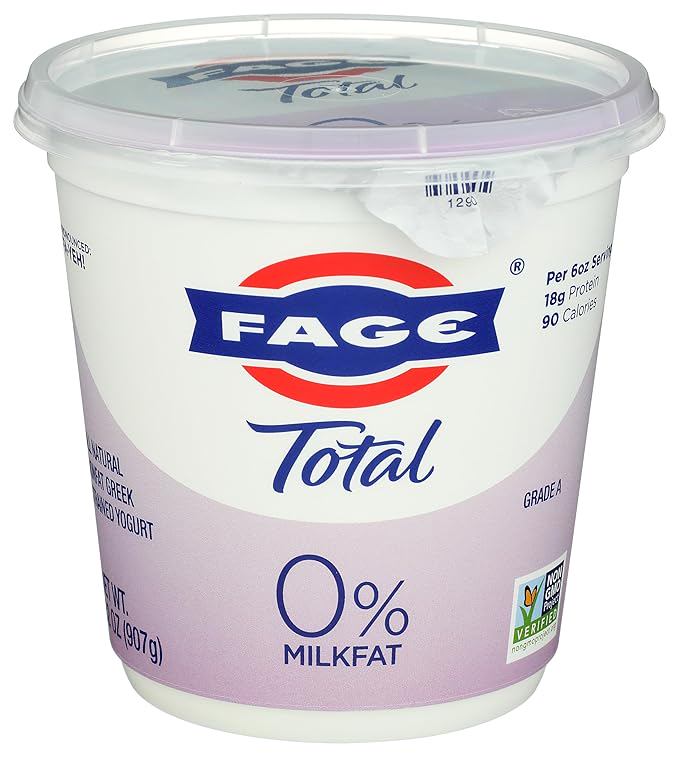
While prebiotics are the primary driver for reducing cravings, probiotics help complete the picture. Including fermented foods introduces more beneficial strains directly into the gut. Good daily sources include plain yogurt, kefir, sauerkraut, kimchi, and traditional cheeses such as paneer or cottage cheese.
The synergy between prebiotics and probiotics is essential. You can take probiotics regularly, but without prebiotic fiber to feed them, they may not colonize effectively. This is why experts emphasize eating the full package—both the seeds and the soil—rather than just one.
Practical guide to combining them:
- Add sliced banana (prebiotic) to plain yogurt (probiotic) for a balanced snack.
- Use garlic and onion (prebiotic) as a base for soups or stir-fries, and serve with a side of fermented vegetables.
- Choose whole grain oats (prebiotic) and top with kefir or yogurt.
- Roast asparagus (prebiotic) and pair it with a protein-rich meal that includes a small serving of fermented cheese.
Why This Works Better Than Willpower Alone
Cravings are not simply a lack of discipline. They are often driven by gut-brain communication, blood sugar fluctuations, and the composition of your microbiome. When you feed your gut bacteria properly, they produce short-chain fatty acids and other metabolites that help regulate appetite hormones like ghrelin and peptide YY. This can lead to a natural reduction in desire for hyper-palatable processed foods.
Over time, this daily habit can reshape your palate and your cravings. The same bag of chips may become less appealing, not because you are forcing yourself to resist, but because your body is no longer sending the same urgent signals. This is a sustainable approach, rooted in biology rather than deprivation.
Simple Ways to Start Today
You do not need a complicated plan. Small, consistent changes make the biggest difference.
- Swap your breakfast pastry for a bowl of oatmeal with berries.
- Add a handful of onions or garlic to your evening meal.
- Choose a piece of fruit like a slightly green banana as a snack.
- Include a fermented food like yogurt or kimchi with at least one meal.
The goal is to move from a diet that starves your gut bacteria to one that feeds them generously. When you do, your cravings for processed, nutrient-poor foods often fade naturally.