Many of us assume that as long as we eat enough calories, we are well nourished. But a diet heavy in processed foods can leave you full while still missing key vitamins and minerals. Even when you eat enough, your body may be sending out signals that something important is missing. Recognizing these warning signs early can help you adjust your eating habits before more serious health issues develop.
The problem isn't just what processed foods contain—it's also what they lack. Highly refined ingredients have been stripped of the natural fiber, vitamins, and minerals found in whole foods. Over time, this can quietly erode your nutrient status. Here are four telltale signs your body may be running low on essential nutrients due to a diet high in processed foods.
Persistent Fatigue and Weakness
Feeling tired even after a full night's sleep can be a red flag. Processed foods often provide empty calories that spike your blood sugar and then let it crash, leaving you drained. But beyond that, a diet lacking in whole foods can lead to deficiencies in iron and B vitamins—two nutrients critical for energy production.
Iron Deficiency
Iron helps your red blood cells carry oxygen to every part of your body. When levels are low, you may feel exhausted, weak, short of breath, or unusually pale. Processed meats, snack foods, and refined grains typically contain little to no iron. Meanwhile, your body absorbs iron best from sources like lean red meat, spinach, legumes, and fortified whole grains—not from packaged snacks.
B Vitamin Shortfalls
B vitamins (especially B12 and folate) are essential for converting food into usable energy. A processed-food diet often lacks these vitamins. Vegans and vegetarians who rely on processed meat substitutes are especially at risk for B12 deficiency, which can cause fatigue, tingling in the hands and feet, and even memory problems over time.
Tip: If you feel constantly tired, try swapping one processed snack each day for a handful of nuts, a piece of fruit, or a hard-boiled egg.
Poor Skin, Brittle Nails, and Thinning Hair
Your skin, hair, and nails are often the first places nutrient shortages show up. Processed foods are typically low in the vitamins and minerals that keep these tissues strong and healthy. Two common deficiencies linked to a processed diet include biotin and vitamin C.
Biotin (a B vitamin) is needed for healthy hair and nails. When levels drop, you may notice your hair becomes thin or brittle, or your nails develop ridges and break easily. Vitamin C, which is almost absent in processed foods, is crucial for collagen production. Without enough vitamin C, your skin can become dry, rough, or slow to heal from cuts and bruises. Even minor injuries may take longer to recover.
Replacing processed snacks with whole fruits and vegetables—such as bell peppers, citrus, berries, and leafy greens—can help restore these nutrient levels. Getting enough zinc from nuts and seeds also supports healthy skin and hair.
Digestive Issues and Irregularity
If you experience frequent bloating, constipation, or indigestion, your diet may lack adequate fiber and magnesium. Processed foods are notoriously low in both. Fiber is essential for regular bowel movements and feeding the beneficial bacteria in your gut. Magnesium helps your digestive muscles relax and contract properly.
Many processed foods also contain emulsifiers and additives that can disrupt the balance of gut bacteria. Over time, this can lead to chronic inflammation and poor absorption of the few nutrients you do take in. Whole plant foods—like fruits, vegetables, legumes, and whole grains—provide the fiber and magnesium that processed foods strip away.
A simple shift, such as adding a serving of beans or oats to your daily routine, can significantly improve digestive comfort and regularity.
Brain Fog and Mood Changes
Your brain relies on a steady supply of nutrients to function clearly. Processed foods, with their high sugar and low nutrient content, can cause blood sugar roller coasters that leave you feeling mentally fuzzy, irritable, or anxious. Over time, a deficiency in omega-3 fatty acids, magnesium, or B vitamins can contribute to mood disorders and cognitive decline.
Omega-3s, found in fish, walnuts, and flaxseeds, are critical for brain health. A diet high in processed foods is almost always low in these healthy fats. Similarly, magnesium deficiency has been linked to increased anxiety and trouble sleeping. When you replace processed snacks with whole foods rich in these nutrients, many people report clearer thinking and more stable moods within a few weeks.
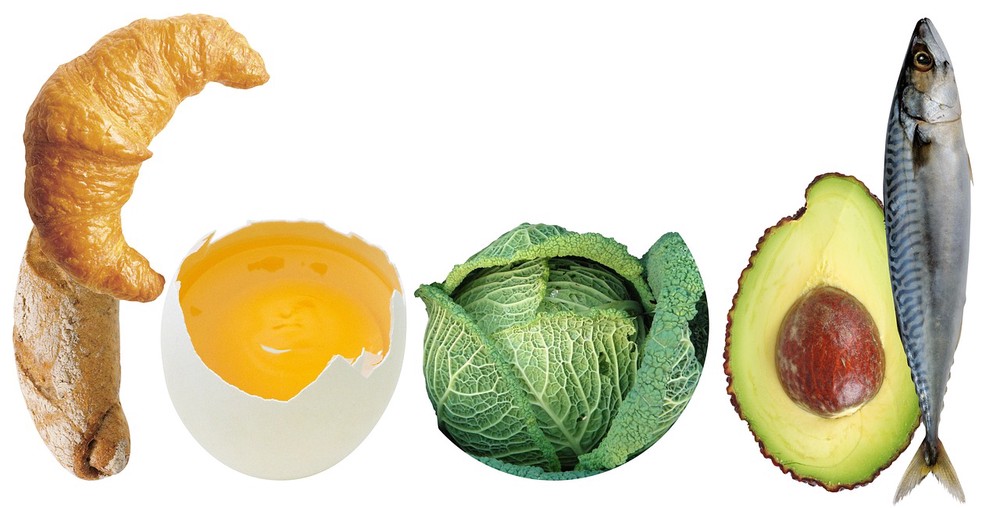
The common thread among these warning signs is that a diet built around processed foods lacks the diversity of nutrients that whole foods provide. You don't have to eliminate every packaged item overnight. Start by adding more whole fruits, vegetables, lean proteins, and healthy fats to your meals. Your body pays attention to the details—and when you give it what it needs, it usually shows its appreciation with more energy, clearer skin, better digestion, and a sharper mind.