
For anyone managing a food allergy, anxiety can feel like a constant companion. It’s the background hum of worry at a restaurant, the double-checking of labels, the hesitation before a shared meal. This vigilance is necessary, but when it spirals into persistent, draining anxiety, it can diminish your quality of life. What if a small, consistent daily practice could help turn down the volume on that fear?
The habit is a dedicated, mindful check-in with your body and your management plan. It’s not about eliminating caution, but about building a foundation of calm confidence that makes necessary vigilance feel less frantic. By creating a predictable routine around your allergy, you reclaim a sense of control, reducing the mental space occupied by “what-ifs.”
Why Food Allergies Trigger Anxiety
This anxiety isn't an overreaction; it's a logical response to a real and unpredictable threat. Unlike many health conditions, the risk isn't confined to a specific time or place—it's woven into the essential act of eating. The brain’s amygdala, which processes fear, can become hyper-vigilant, interpreting ambiguous social situations or unfamiliar foods as direct dangers. This creates a cycle where fear of a reaction can itself become a source of significant stress, impacting social life, dining out, and daily peace of mind.
The Power of a Structured Daily Ritual
A consistent daily habit acts as an anchor in this uncertainty. It provides structure where things feel chaotic, reinforcing your preparedness and shifting your focus from fear of the unknown to confidence in your plan. This ritual isn’t time-consuming; it’s about intentionality. It might look like a five-minute review each morning or a moment of reflection each evening.
Morning Preparation: Setting the Tone
Start your day by confirming your essentials. This isn't a frantic search, but a calm verification. Check that your emergency medications, like epinephrine auto-injectors, are where they should be, within date, and accessible. Briefly consider your day’s schedule—are there meals out, school events, or travel? A quick mental rehearsal of your “allergy script” for asking questions at a restaurant can ease anticipatory anxiety.
A moment of preparation can prevent a day of preoccupation.
Mindful Eating Practices
Incorporate mindfulness into your meals. Before eating, especially outside your home, take one deep breath. Use all your senses: look at the food, smell it. This pause creates a buffer between impulse and action, allowing you to calmly confirm the food is safe. It turns a moment of potential stress into one of conscious choice.
Evening Reflection: Processing and Unwinding
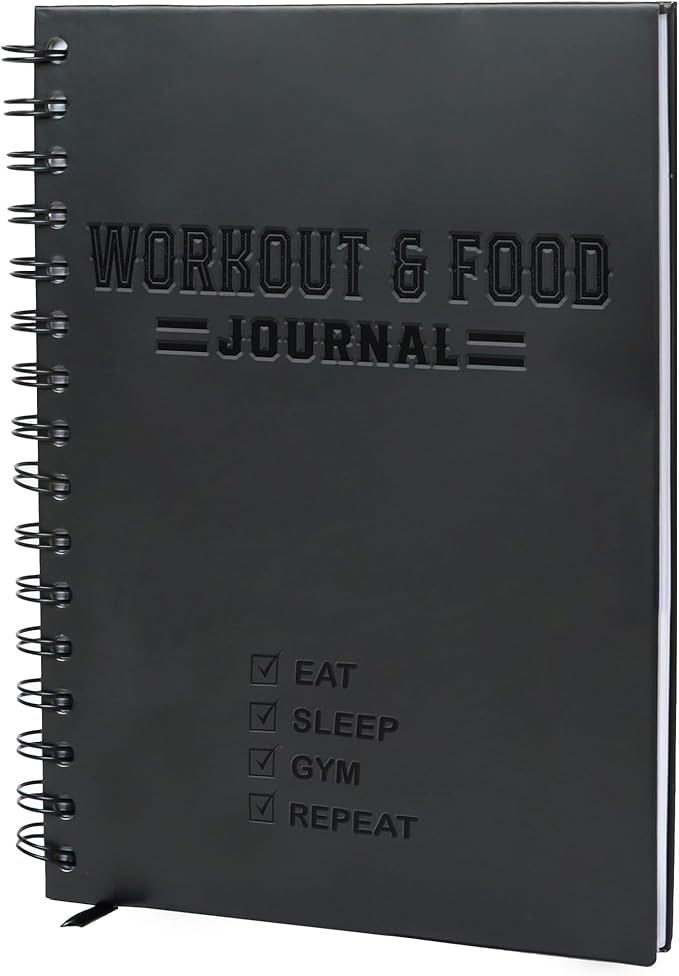
End your day with a non-judgmental review. Instead of ruminating on fears, acknowledge what went well. Did you ask a clarifying question at lunch? Did you successfully navigate a grocery trip? This practice reinforces your competence. It’s also a good time to journal any mild symptoms or uncertainties to discuss with your allergist, getting them out of your head and onto paper.
Building Confidence Beyond the Habit
Your daily check-in is the core, but it’s supported by broader strategies that build long-term resilience.
Educate Your Circle. Anxiety often stems from feeling solely responsible. Proactively educating trusted friends, family, or coworkers about your allergy, how to recognize a reaction, and how to help can distribute the cognitive load. Knowing others are “in the know” can be profoundly reassuring.
Practice Your Response. Fear loses its power when you feel capable. Regularly review the steps for using your epinephrine auto-injector with a trainer device. This muscle memory builds confidence that if the worst happens, you know exactly what to do.
Connect with Community. Sharing experiences with others who understand the unique challenges of food allergies—through reputable support groups or organizations—validates your feelings and provides practical tips. It reminds you that you are not navigating this alone.
When to Seek Additional Support
While a daily habit can significantly reduce unnecessary anxiety, it’s important to recognize when worries are disproportionate or debilitating. If anxiety is severely restricting your life, causing panic attacks, or interfering with sleep, it’s crucial to speak with a healthcare professional. A therapist, particularly one experienced in health anxiety or chronic conditions, can provide powerful tools like Cognitive Behavioral Therapy (CBT) to manage fear-based thought patterns. Always work with your allergist to ensure your medical management plan is solid, as confidence in your medical strategy is the bedrock of emotional calm.
The goal is not to live without caution, but to live without constant dread. By dedicating a few mindful minutes each day to a structured check-in, you build a buffer of preparedness that allows you to engage with the world from a place of greater calm and control. The worry may not vanish completely, but its volume can be turned down, making space for more of life’s joys.