You might think you're making a smart choice when you reach for that bottle of vegetable oil or grab a bag of chips labeled "low fat." But here's the catch: many common daily habits are quietly swapping out the healthy fats your body needs for inflammatory oils that can work against your wellness goals.
The problem isn't just about what you eat—it's about what you cook with, what you snack on, and even what you assume is healthy. Let's break down how this happens and what you can do about it.
What Are Healthy Fats, Really?
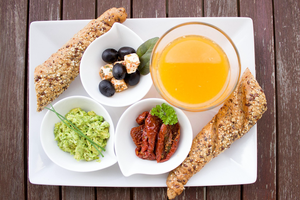
Healthy fats are the ones your body uses for brain function, hormone production, and absorbing fat-soluble vitamins (A, D, E, and K). Think of monounsaturated and polyunsaturated fats from whole food sources like avocados, nuts, seeds, and olive oil. These fats help reduce inflammation, support heart health, and keep you feeling satisfied.
On the flip side, inflammatory oils—often called "seed oils" or "vegetable oils"—are highly processed and rich in omega-6 fatty acids. While your body needs some omega-6, the typical modern diet has way too much of it, throwing the omega-6 to omega-3 ratio out of balance. This imbalance is linked to chronic inflammation, which can contribute to everything from joint pain to heart disease.
The Sneaky Swap: How It Happens
You probably don't realize you're making this swap, but it happens more often than you'd think. Here are some common scenarios:
- Cooking at high heat: You grab a bottle of "vegetable oil" or "canola oil" because it's cheap and has a neutral flavor. But these oils are often processed with high heat and chemicals, and they can break down into inflammatory compounds when you cook with them.
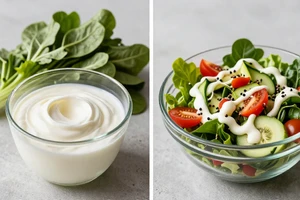
- Salad dressings and marinades: Store-bought dressings are notorious for using soybean oil, cottonseed oil, or sunflower oil as a base. Even "light" vinaigrettes can be packed with these inflammatory fats.
- Snack foods and baked goods: Crackers, chips, granola bars, and even some "healthy" protein bars rely on these oils for texture and shelf stability. You might be eating them without a second thought.
- Restaurant and takeout meals: Most restaurants use inexpensive oils for frying and sautéing. Unless you ask, you're likely getting a dose of inflammatory oils with every meal out.
One Habit That Makes It Worse: Skipping Meals or Fasting Too Long
Here's where it gets interesting. The source article originally discussed intermittent fasting—not as a direct cause of fat swapping, but as a habit that can set you up for poor fat choices. When you skip breakfast or go for long periods without eating, several things happen:
- You get overly hungry. By the time your eating window opens, you're ravenous. That often leads to grabbing whatever is fastest—and fast food or processed snacks are usually cooked in inflammatory oils.
- Your metabolism slows down. Prolonged fasting can lower your basal metabolic rate, meaning you burn fewer calories at rest. This makes your body more likely to store fat rather than use it efficiently.
- You make rushed decisions. When you're hungry, your brain craves quick energy. You might reach for a granola bar (loaded with sunflower oil) or a salad with a creamy dressing (made with soybean oil) without thinking about the fat quality.
So, even if you're not intentionally fasting, any habit that leads to long gaps between meals or extreme hunger can push you toward inflammatory oils instead of healthy fats.
How to Spot Inflammatory Oils
These are the main offenders to watch for on ingredient labels:
- Soybean oil
- Canola oil
- Corn oil
- Cottonseed oil
- Sunflower oil (especially high-oleic versions are better, but most standard sunflower oil is inflammatory)
- Safflower oil
- Grapeseed oil
- Rice bran oil
These oils are everywhere—in salad dressings, mayonnaise, crackers, chips, frozen meals, and even some "healthy" alternatives like veggie burgers.
Simple Swaps to Bring Back Healthy Fats
You don't have to overhaul your whole diet overnight. Small changes add up:
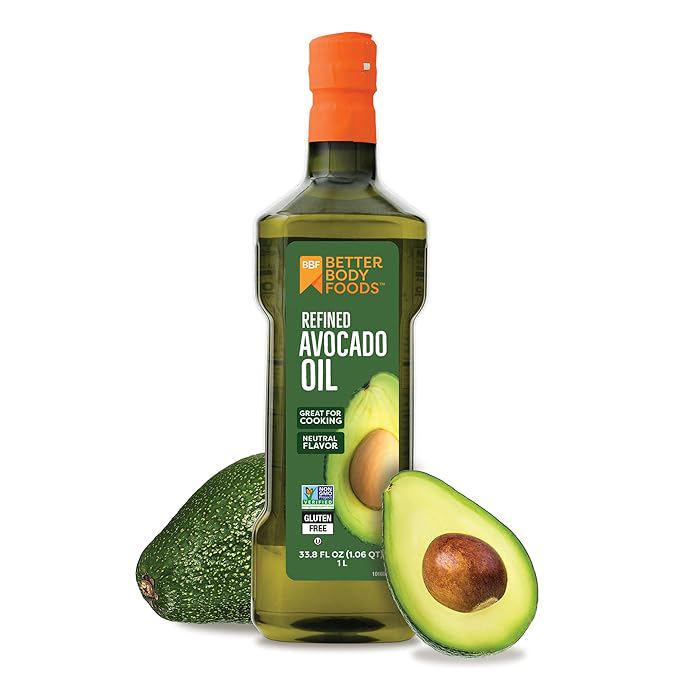
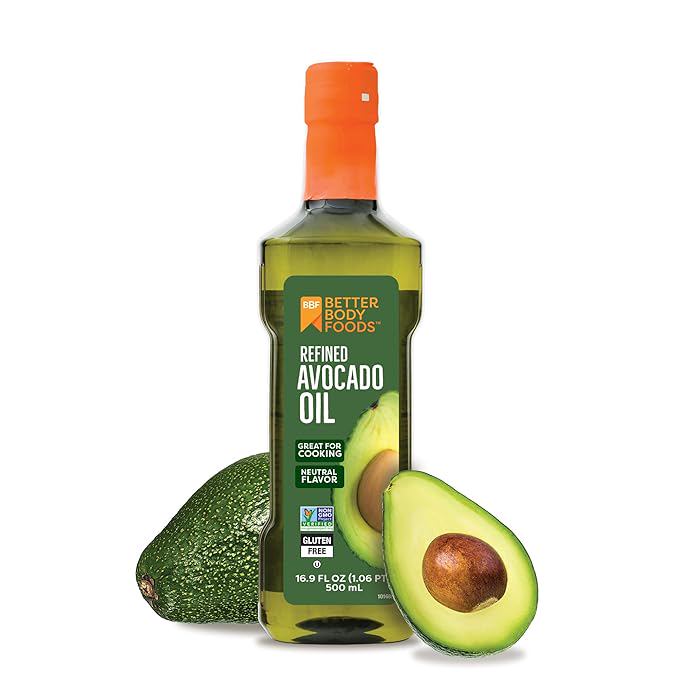
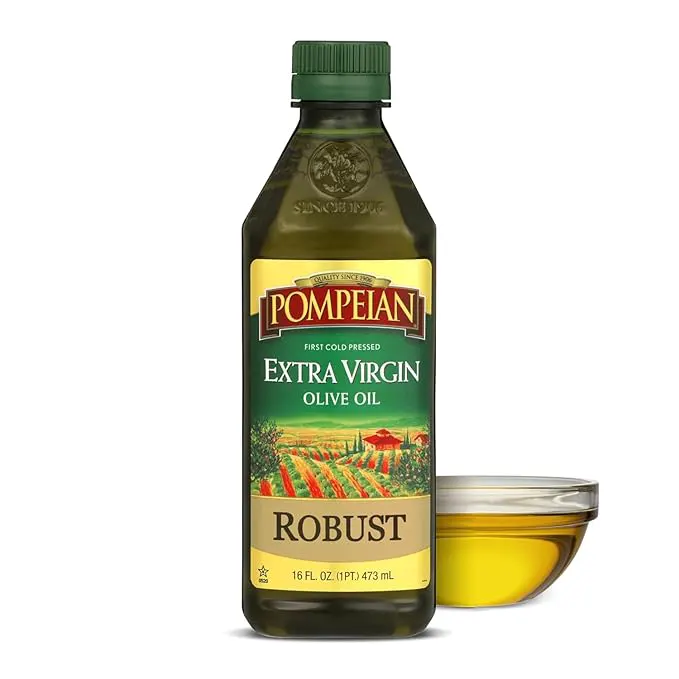
- Cook with olive oil, avocado oil, or coconut oil. Extra-virgin olive oil is great for low-to-medium heat sautéing and dressings. Avocado oil works well for higher heat cooking.
- Make your own salad dressing. A simple mix of olive oil, lemon juice or vinegar, salt, and herbs takes two minutes and avoids processed oils entirely.
- Snack on whole foods. Instead of chips or crackers, try a handful of almonds, walnuts, or a piece of fruit with a tablespoon of nut butter (check labels for added oils).
- Read labels on everything. If you see soybean or canola oil in the first few ingredients, look for an alternative. Even many "organic" or "natural" products use these oils.
- Choose better options when eating out. Ask for olive oil and vinegar for salads. Request that your food be cooked in butter or olive oil if possible.
A Word on Balance
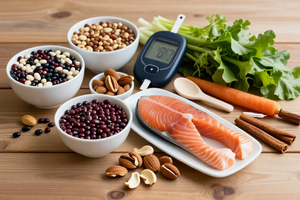
Not all omega-6 fats are bad—they are essential. The problem is the ratio. Our ancestors likely consumed omega-6 and omega-3 in a 1:1 or 2:1 ratio. Today, many people have a ratio closer to 20:1 or even 30:1, largely thanks to processed oils. Bringing in more omega-3 sources—like fatty fish (salmon, mackerel, sardines), flaxseeds, chia seeds, and walnuts—can help restore balance.
The goal isn't perfection. It's about being aware of where your fats come from and making one or two better choices each day. Your brain, your heart, and your waistline will thank you.