You load your plate with berries, leafy greens, and other antioxidant-rich foods. You feel good about making a smart choice for your health. But what if a simple daily habit is quietly undermining all that effort? Health experts say a common routine many of us follow could be interfering with how well our bodies absorb those protective compounds.
The good news: once you know about it, the fix is straightforward.
What Exactly Is Blocking Antioxidant Absorption?
The usual suspect isn't an exotic supplement or a rare food. It's something most people consume daily: caffeine. Specifically, drinking coffee or tea in close proximity to meals—especially meals rich in antioxidants—can reduce the amount of those compounds your body actually takes in.
Research suggests that caffeine can interfere with the absorption of certain flavonoids and polyphenols, the powerful antioxidants found in fruits, vegetables, dark chocolate, and red wine. When you wash down a bowl of mixed berries or a spinach salad with a cup of coffee, you may be getting less of the benefit than you think.
“The timing of your caffeine intake matters more than most people realize,” explains Dr. Lisa Kim, a registered dietitian and researcher in nutritional biochemistry. “If you’re having your morning coffee with a meal that contains antioxidant-rich foods, you could be leaving some of those benefits on the table.”
How Caffeine Interferes With Nutrient Absorption
The issue isn't that caffeine destroys antioxidants. It's more about competition and binding. Caffeine and certain tannins found in tea and coffee can bind to minerals like iron and zinc, making them harder to absorb. For antioxidants specifically, some studies indicate that caffeine can alter the gut environment in ways that reduce the bioavailability of polyphenols.
Polyphenols are a broad category of plant compounds known for their antioxidant effects. They help neutralize free radicals, reduce inflammation, and support overall cellular health. But they are finicky. Their absorption depends on the presence of other foods, the health of your gut microbiome, and yes, what you drink at the same time.
When caffeine is present, it can interfere with the enzymes and transport systems that help move these antioxidants from your digestive tract into your bloodstream. The result: more of those beneficial compounds pass through your system unabsorbed.
Key point: It's not that you need to give up coffee or tea. It's about timing. A simple shift of 30 to 60 minutes can make a significant difference.
When Should You Drink Your Coffee or Tea?
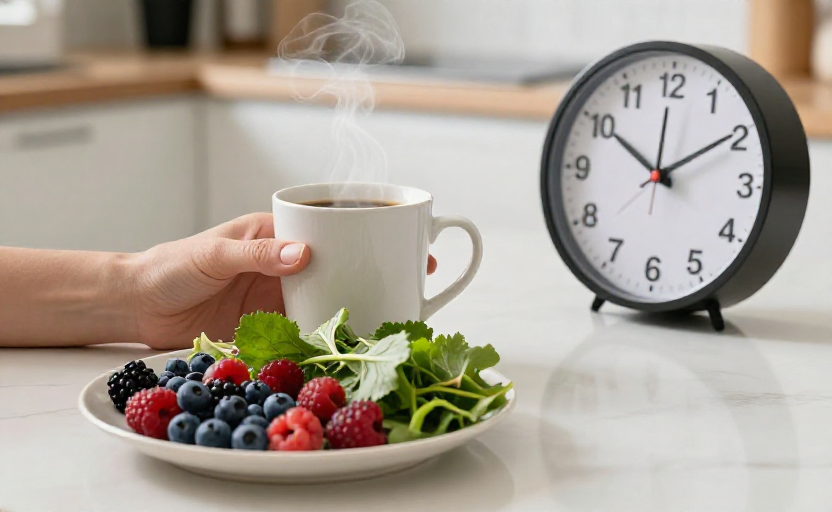
The simplest strategy is to create a buffer between your caffeine and your antioxidant-rich meals. Aim to drink coffee or tea at least 30 to 60 minutes before or after eating foods high in polyphenols. This gives your digestive system room to absorb antioxidants without competition.
For example, if you eat a breakfast of oatmeal with blueberries and walnuts, wait an hour before pouring your morning coffee. Or have your coffee first, then enjoy your post-workout berry smoothie a little later. The same logic applies to lunch and dinner—especially if those meals include a salad, cooked vegetables, or a piece of dark chocolate for dessert.
This doesn't apply only to coffee. Black tea, green tea, and even some energy drinks contain enough caffeine and tannins to potentially affect absorption. If you're a heavy tea drinker, the same timing advice holds.
What About Decaf?
Decaffeinated coffee and tea still contain some caffeine—just much less. They also contain many of the same tannins. If you are particularly concerned about maximizing antioxidant absorption, it is still wise to give decaf the same time buffer. However, the effect is generally less pronounced than with fully caffeinated beverages.
Are All Antioxidants Affected Equally?
Not all antioxidants are created equal, and not all are equally vulnerable to caffeine interference. Some data suggests that catechins (found in green tea) and anthocyanins (found in berries and red grapes) may be more affected than others. Meanwhile, certain fat-soluble antioxidants like vitamin E and beta-carotene are less influenced by caffeine but more dependent on being eaten with a source of healthy fat.
This is a reminder that overall dietary patterns matter more than single nutrients. A single cup of coffee won't cancel out the full benefit of a well-rounded diet. But for anyone intentionally eating antioxidant-rich foods for their health—whether to support skin health, reduce inflammation, or protect cognitive function—paying attention to timing is a low-effort way to get more value from those foods.
Other Daily Habits That Can Reduce Antioxidant Absorption
Caffeine is a major factor, but it's not the only one. A few other common habits can also blunt absorption:
- Smoking: Cigarette smoke generates massive amounts of free radicals and depletes circulating antioxidants. This is not just a matter of absorption but of overwhelming demand.
- Alcohol consumption: Heavy drinking interferes with the absorption of many nutrients, including some antioxidants, and places oxidative stress on the liver.
- High fiber intake at the wrong time: While fiber is generally beneficial, very high doses of certain types of fiber can bind to polyphenols and reduce their absorption. This is usually not a problem for most people, but it can matter if you are taking concentrated antioxidant supplements with a fiber-heavy meal.
- Chronic stress and poor sleep: Both increase oxidative stress and inflammation, which can increase the body's demand for antioxidants and reduce overall efficiency.
Improving any of these factors can help you get more out of the antioxidant foods you already eat.
Practical Tips to Protect Your Antioxidant Intake
Here is a simple checklist to help you make the most of your antioxidant-rich diet:
- Time your caffeine: Drink coffee or tea at least 30 minutes away from meals that are heavy in fruits, vegetables, or dark chocolate.
- Pair smartly: Eat antioxidant-rich foods with a source of healthy fat (like avocado, nuts, or olive oil) to help absorb fat-soluble antioxidants.
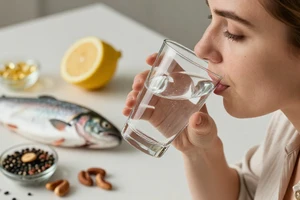
- Stay hydrated: Water doesn't interfere with absorption. If you need something to drink with a meal, plain water is a safe choice.
- Consider mindful eating: A calm state when you eat supports better digestion and nutrient uptake overall.
This is not about perfection. It's about being aware that what you drink can influence what you absorb. A small tweak to your daily routine can help you get the full benefit from the nutritious foods you are already eating.
As always, consult a healthcare professional for personalized advice, especially if you are managing a specific health condition or taking medications that may interact with caffeine.