You might think your morning routine is pretty healthy—a bowl of cereal, toast with jam, maybe a muffin on the go. But there’s a common breakfast habit that could be quietly working against your hydration before your day even begins. And no, it’s not skipping your glass of water.
The problem starts with processed carbohydrates. Many popular breakfast foods—cereals, white bread, pastries, and even some granola bars—are high in refined carbs and added sugars. When your body digests these foods, it needs extra water to process the glucose and to store glycogen (the stored form of glucose) in your liver and muscles. For every gram of glycogen your body stores, it pulls in about 3 to 4 grams of water from your cells. That’s a net drain on your body’s fluid reserves, not a replenishment.
Where the Water Goes
That morning pastry or stack of pancakes might taste satisfying, but the metabolic process that follows isn't doing your hydration any favors. After a heavy-carb breakfast, your blood sugar rises. Your pancreas releases insulin to shuttle glucose into cells, and your kidneys also get involved, working to balance fluid and electrolytes. The result: you may actually feel thirstier mid-morning than if you had started with a more balanced meal.
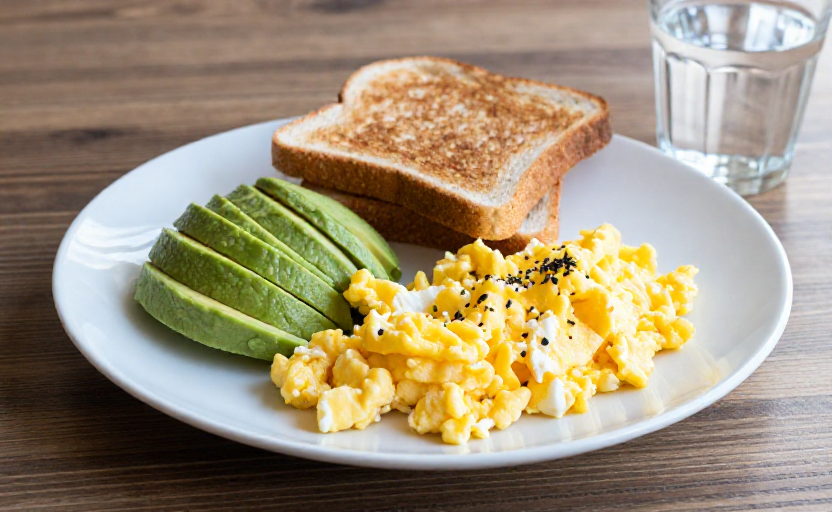
A simple shift: Pairing carbohydrates with protein and fiber—like having eggs with whole-grain toast instead of sugary cereal—can help steady blood sugar and reduce the water your body needs to process the meal.
Not All Breakfast Carbs Are Created Equal
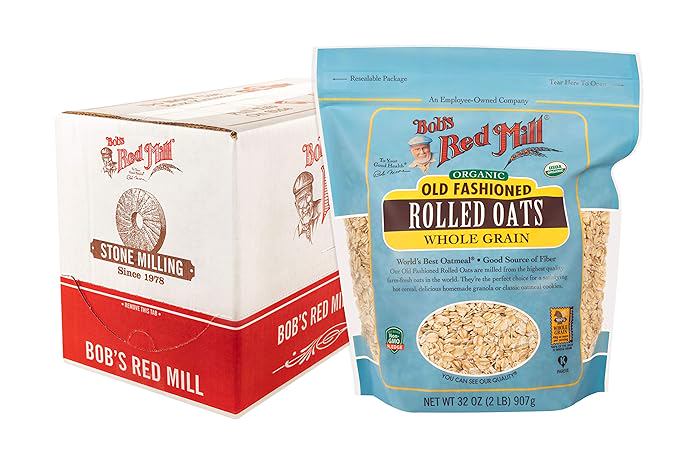
The distinction between simple and complex carbohydrates matters here. Simple carbs—found in white bread, sugary cereals, and pastries—digest quickly, causing a rapid spike in blood glucose. This spike triggers a stronger insulin response and demands more water for glucose metabolism and storage. Complex carbs, such as those in oats, whole-grain sourdough, or quinoa, break down more slowly, leading to a gentler rise in blood sugar and a lower water cost to your system.
Fiber, which is abundant in whole grains, plays a protective role. It slows digestion and helps moderate blood sugar spikes. Choosing high-fiber, whole-food carbohydrates over their refined counterparts is one way to support both energy and hydration throughout the morning.
Signs Your Breakfast Could Be Dehydrating You
If you regularly feel parched by 10 a.m., or notice your urine is darker than pale straw-coloured despite drinking water, your breakfast choices could be a factor. Other clues include dry mouth, mild headaches mid-morning, or feeling unusually tired before lunch. These aren’t definitive signs of dehydration alone—but combined with a carb-heavy morning meal, they’re worth noticing.
A Breakfast That Supports Hydration
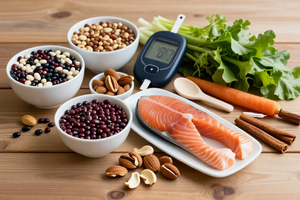
The goal isn’t to cut carbs entirely—they’re a valuable energy source. Instead, aim for balance. Include a source of lean protein (eggs, Greek yogurt, or tofu), healthy fats (avocado, nuts, seeds), and produce (berries, spinach, or sliced tomato) alongside your choice of complex carbohydrates. This combination slows digestion, stabilizes blood sugar, and reduces the water demand on your body.
- Example: Scrambled eggs with sautéed spinach and one slice of whole-grain toast.
- Example: Oatmeal topped with walnuts, chia seeds, and fresh berries.
- Example: Plain Greek yogurt with sliced apple, a sprinkle of cinnamon, and a tablespoon of almonds.
Incorporating hydrating foods like fruits or vegetables directly into your breakfast also helps. Watermelon, cucumber, oranges, and berries all contribute to your fluid intake. Even a glass of water or herbal tea alongside your meal—instead of a second cup of coffee—can make a meaningful difference.
What About Coffee and Tea?
Coffee and black tea are often part of the morning routine, and they do have a mild diuretic effect. But for regular caffeine consumers, this effect is usually minimal and not enough to cause dehydration on its own. The bigger issue is when your only morning fluid comes from diuretic beverages while your breakfast is heavy on refined carbs. That combination can tip the scales toward fluid imbalance. Water, milk, or a splash of unsweetened plant-based milk with your breakfast is a better bet.
In short: It’s not about ditching carbs—it’s about choosing the right ones and pairing them smartly. Your hydration depends on it more than you might think.