There's a persistent idea floating around wellness circles: that heat is the enemy of antioxidants, and that cooking any food with antioxidant-rich oil zaps every beneficial compound into oblivion. If you've ever stood over a pan wondering whether the gentle simmer is destroying the very nutrients you're trying to eat, you're not alone. The short answer is more nuanced than a simple yes or no. While some antioxidants are indeed sensitive to high temperatures, many remain stable—and in some cases, heat can actually make certain nutrients more accessible. Let's walk through what actually happens.
Why the "all antioxidants die with heat" idea is an oversimplification
Antioxidants are a broad family of molecules—vitamins, polyphenols, flavonoids, carotenoids, and more. Each type behaves differently when heated. Vitamin C, for example, is notoriously delicate and begins to degrade above around 86°F (30°C), especially when exposed to water and oxygen. But vitamin E, the primary antioxidant found in many oils, is far more heat-stable. Carotenoids like beta-carotene actually become more bioavailable when cooked because heat breaks down plant cell walls, releasing them for absorption.
The blanket claim that "cooking destroys all antioxidants" misrepresents the science. What matters is the type of antioxidant, the temperature reached, the cooking time, and the food matrix around it.
What happens to antioxidants in cooking oils?
Oils are mainly composed of fats, and the antioxidants present—chiefly tocopherols (vitamin E), polyphenols, and phytosterols—are fat-soluble. When you heat an oil, two main things happen: oxidation (the fats react with oxygen, which can produce harmful compounds) and the degradation of certain antioxidants that protect the oil in the first place.
Sensitive oils, high heat, and nutrient loss
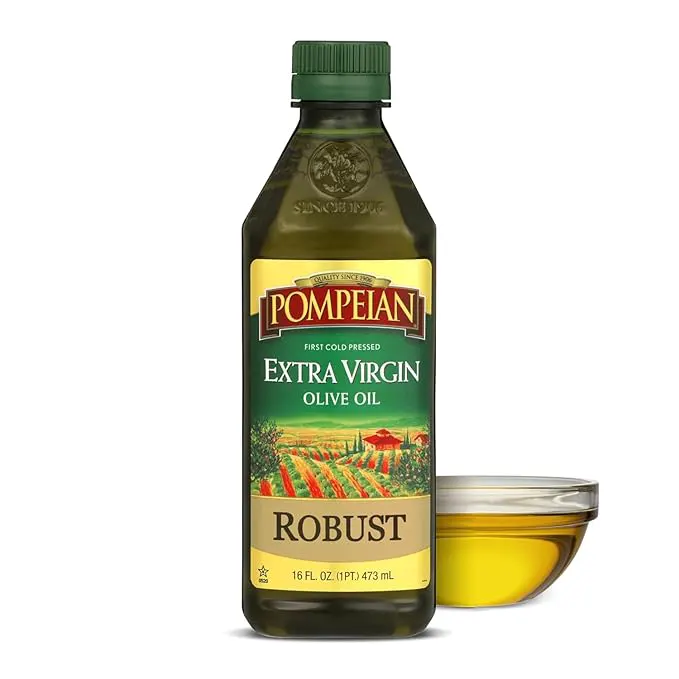
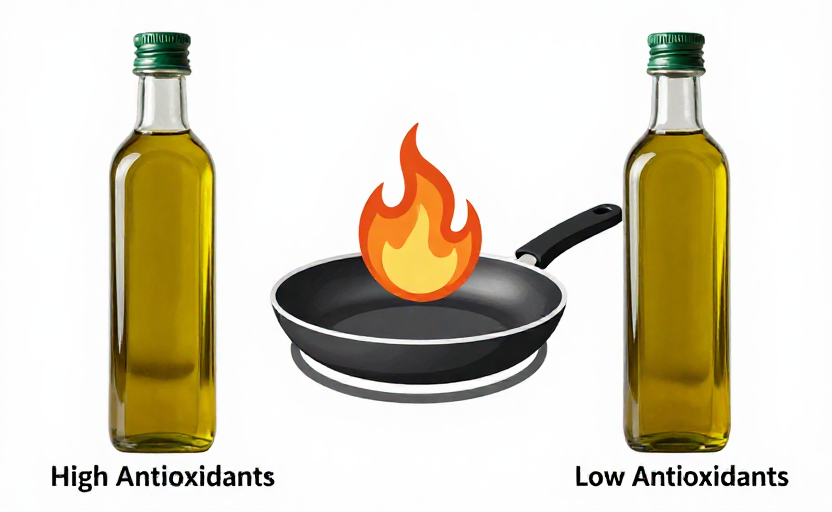
Highly refined oils that have already been stripped of most of their natural antioxidants by heat and chemical processing contain very little to lose. This is one reason many experts recommend cold-pressed oils: they retain their naturally occurring antioxidant content from the start. However, even a good quality extra-virgin olive oil or sesame oil will lose some of its volatile antioxidants—like polyphenols—if you subject it to prolonged high heat, such as deep-frying. Polyphenols in olive oil, for instance, can drop significantly at temperatures above 350°F (177°C) over several minutes.
But the loss is rarely total. A 2020 study on heat stability of olive oil polyphenols found that after 30 minutes of frying at 356°F (180°C), approximately 40–50% of the total polyphenols remained. That's not zero. And importantly, the primary antioxidant in cold-pressed oils—vitamin E—remains relatively stable under standard sautéing and light frying conditions.
When heat helps: the bioavailability paradox
There's a flip side. Some antioxidants are more accessible after cooking. Beta-carotene in carrots and lycopene in tomatoes increase significantly in bioavailability when cooked with oil because the heat breaks down the tough plant cell walls and the fat helps dissolve these carotenoids. In these cases, gentle cooking with oil—paired with a small amount of heat—actually increases how much antioxidant your body can absorb.
A useful rule of thumb: water-soluble antioxidants (like vitamin C and some polyphenols) degrade faster with heat; fat-soluble antioxidants (like vitamin E, carotenoids) tend to be more heat-stable and may even become more available when cooked with oil.
What about cold-pressed versus refined oils?
This is where the conversation matters most for daily cooking. Refined oils—those stripped of impurities through high heat, bleaching, and deodorizing—retain very few antioxidants to begin with. The refining process itself destroys most of the tocopherols and polyphenols. That’s why relying on highly processed oils is like starting with an empty nutritional cup: there's nothing left to lose.
Cold-pressed oils, on the other hand, are mechanically extracted at low temperatures (usually below 120°F or 49°C), preserving the natural antioxidants from the seed, nut, or fruit. These oils enter the pan with a robust antioxidant profile. Light sautéing or moderate stir-frying (around 300–350°F) will reduce some of those antioxidants but still leave a meaningful amount. The bonus is that cold-pressed oils also retain flavor and beneficial fatty acids that refined oils lack.
How to cook smarter to preserve antioxidants
You don't need to go raw or avoid all heat. A few practical shifts help you keep more of the good stuff in your food:
- Match the oil to the heat level. Use extra-virgin olive oil, sesame oil, or unrefined coconut oil for low-to-moderate heat cooking—sautéing, gentle roasting, or dressing. Reserve very high-heat cooking (searing, deep-frying) for oils with higher smoke points like avocado oil or refined coconut oil, but understand those have fewer antioxidants.
- Keep cooking times moderate. Shorter cooking times preserve more antioxidants. A quick stir-fry beats a long simmer for nutrient retention.
- Add perishable oils last. Drizzle antioxidant-rich cold-pressed oils over finished vegetables or salads rather than subjecting them to prolonged heat.
- Support your vegetables with oil. Cook carrots, tomatoes, and leafy greens with a small amount of cold-pressed oil—the fat aids absorption of fat-soluble antioxidants.
Realistic expectations help, too. An occasional stir-fry or roasted veggie dish cooked with good oil will still deliver antioxidants, perhaps not at raw levels, but in a form your body can actually use.
No, cooking doesn't destroy all antioxidants—but it changes the picture
The myth likely persists because we see a clear drop in some nutrient levels after cooking, which is true. But a partial loss is not the same as total eradication, and for some nutrients, heat unlocks them. The key is to prioritize oils and whole foods that start with a high antioxidant content—cold-pressed oils, fresh vegetables, herbs, spices—and cook them in ways that preserve as much as possible while still making a meal you enjoy. Your body will thank you for the balance, not for avoiding the stove entirely.