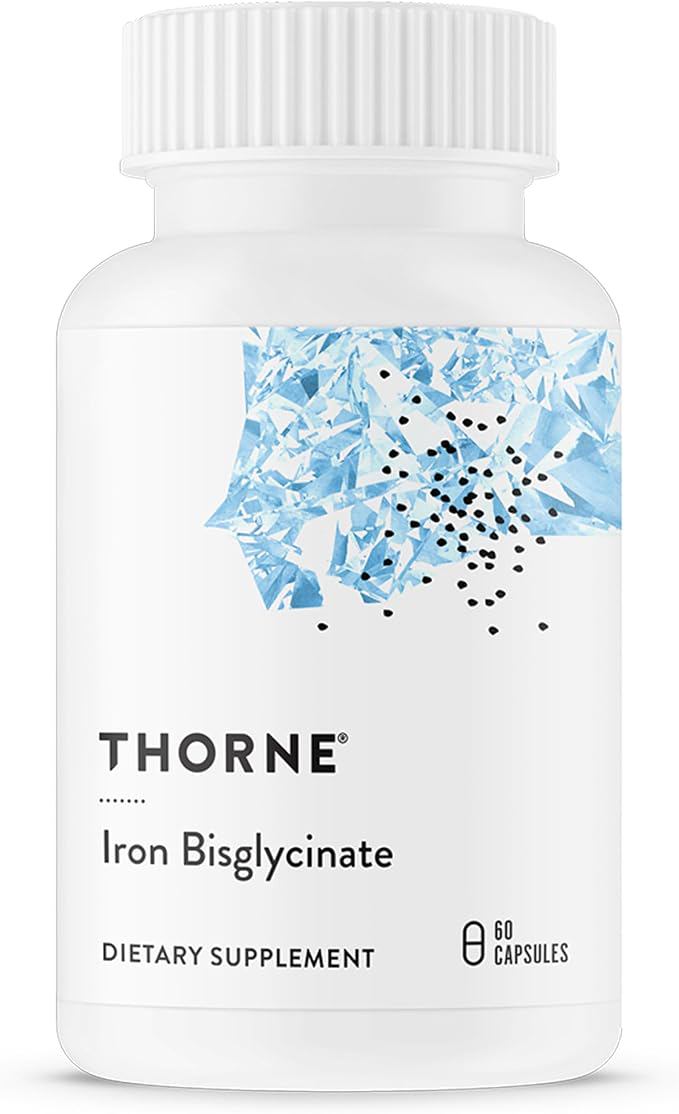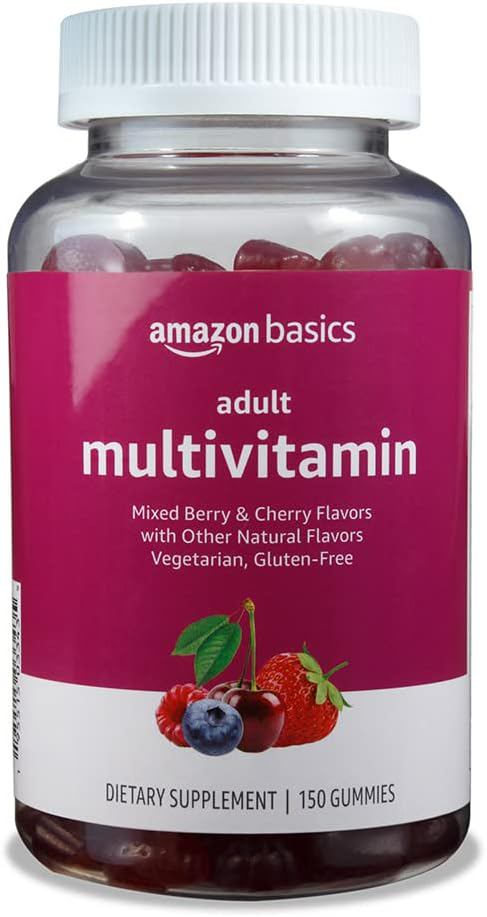
For years, health-conscious eaters have been told one thing with absolute certainty: you must pair vitamin C with iron-rich foods to get the full benefit. The advice sounds logical—vitamin C is known to enhance the absorption of non-heme iron (the kind found in plants). But the story has become oversimplified, leading many to believe that iron absorption is always poor without vitamin C, and that taking high doses of vitamin C alongside every iron-containing meal is a must. Here’s the truth.
Where the myth came from
The notion that vitamin C boosts iron absorption is not a myth in itself. It is a well-documented biochemical interaction. Vitamin C (ascorbic acid) can reduce ferric iron to ferrous iron in the stomach, making it more soluble and easier for the gut to absorb. This has been demonstrated in controlled studies, especially among populations with low iron stores or those eating mostly plant-based diets. The confusion arises when this finding gets applied as a one-size-fits-all rule for every meal and every person.
Why it doesn’t always work that way
Our bodies are not simple test tubes. The effect of vitamin C on iron absorption depends heavily on context. If you already have adequate iron stores, your body downregulates absorption—adding a glass of orange juice to your spinach salad is not going to push you into overload, but it also may not produce a measurable improvement. On the flip side, for someone who is iron deficient, the effect can be meaningful. However, the magnitude of that effect is influenced by the type of iron in the meal, the presence of other enhancers or inhibitors (like tannins in tea or phytates in whole grains), and the dose of vitamin C itself.
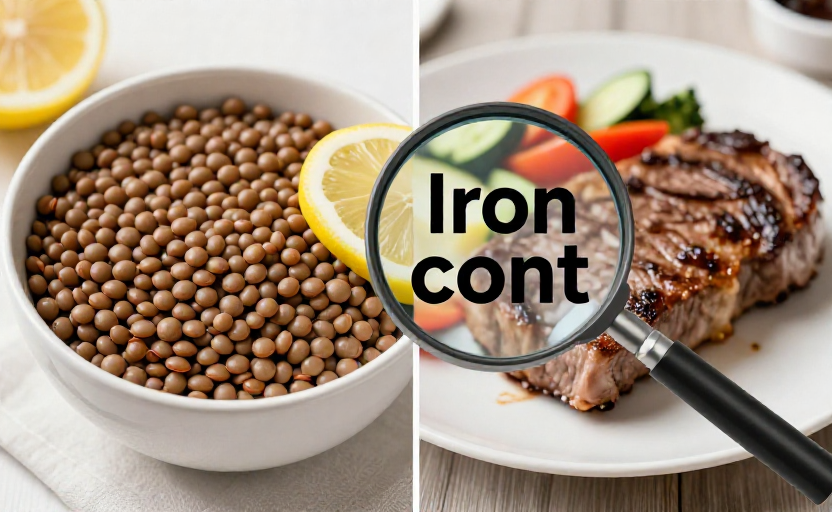
A small squeeze of lemon on lentils is not the same as a 500 mg vitamin C supplement taken with a steak.
High supplemental doses of vitamin C (500 mg or more) have been shown to increase non-heme iron absorption significantly—sometimes doubling or tripling it. But most dietary sources of vitamin C, like a serving of bell peppers or a piece of fruit, provide 30–100 mg. The boost from these levels is more modest and may be insignificant if the meal contains strong inhibitors.
The real issue: overcorrection and confusion
The myth that has taken hold is not that vitamin C helps—it’s that it is required for iron absorption, or that it always works the same way for everyone. This has led to unnecessary anxiety. People worry that if they don’t pair their beans with a vitamin C source, they are wasting the iron. This is not accurate. Your digestive system is capable of absorbing iron without vitamin C, especially from animal sources (heme iron) which are absorbed efficiently regardless. Even for plant iron, the baseline absorption rate, while lower, still occurs. The body also adapts over time:iron absorption increases when stores are low and decreases when stores are sufficient.
What the research actually shows
A 2020 review in the American Journal of Clinical Nutrition concluded that while ascorbic acid does enhance non-heme iron absorption in the short term, the effect is not always sustained when vitamin C is consumed regularly as part of a mixed diet. The body’s regulatory mechanisms (hepcidin levels, inflammation, and iron status) often override the acute enhancement. In other words, for a well-nourished individual eating a varied diet, deliberately arranging meals around vitamin C and iron pairing is unlikely to make a meaningful difference in iron status.
- For those at risk of deficiency (e.g., people with heavy menstrual bleeding, vegans/vegetarians without careful planning, or those with malabsorption issues), strategic pairing can be helpful but should be part of a broader dietary strategy.
- For the general population, the advice to always combine vitamin C with iron is overstated. Eating a balanced diet with both nutrient groups regularly is sufficient.
The bottom line for your plate
Do not stress about getting vitamin C at every iron-containing meal. Your body is smarter than that. If you are concerned about iron levels, the more important factors are overall dietary pattern, iron status monitoring (via a blood test), and addressing any underlying causes of deficiency. Cooking with acidic ingredients like tomatoes or lemon juice can improve flavor and offer a mild boost, but it is not a make-or-break step for health. The real myth is the idea that this one interaction is the key to getting enough iron—it is just one small piece of a much larger puzzle.