You’ve done the hard part. You bought the wild salmon, the flaxseeds, or the walnuts. You’re committed to getting more omega-3s into your diet for your heart, your brain, and your joints. But there’s a quiet, almost invisible mistake that can undermine all that effort—and it happens not at the grocery store, but in your kitchen.
The problem isn’t the food itself. It’s how you cook it. A growing body of research shows that the way you prepare your omega-3-rich ingredients can dramatically reduce—or even eliminate—the very benefits you’re trying to get.
The Fat That Fights Back (When You Handle It Wrong)
Omega-3s are polyunsaturated fats. That’s a fancy way of saying they have multiple double bonds in their chemical structure. Those bonds are what make them so good for your body—they’re flexible, fluid, and anti-inflammatory. But those same bonds also make them fragile. They are highly susceptible to heat, oxygen, and light.
When you expose omega-3s to high heat, especially for a long time, those delicate bonds break down. The fats oxidize. In plain terms, they go rancid—not necessarily in a way you can smell or taste immediately, but chemically. Once oxidized, omega-3s lose their anti-inflammatory properties and may even promote inflammation instead.
The key takeaway: High heat and prolonged cooking are the enemies of fragile omega-3 fats. A quick sear is fine; a deep fry or a long roast is not.
Where People Go Wrong: The Temperature Trap
The single most common mistake is cranking up the heat. Think about how you usually cook salmon. Do you blast the oven to 425°F and leave it in for 20 minutes? Do you pan-sear it on high until the skin gets super crispy? Do you toss flaxseeds into a hot stir-fry?
Each of those methods can degrade the omega-3 content significantly. A 2018 study in the Journal of Food Science and Technology found that frying fish led to a 70–85% loss of EPA and DHA (the two most important long-chain omega-3s). Baking at moderate temperatures (under 350°F) caused a much smaller loss.
It’s not just fish. Chia seeds, hemp seeds, and walnuts all contain alpha-linolenic acid (ALA), another omega-3. Toasting walnuts at 350°F for 10 minutes can reduce their ALA content by up to 15%. Higher heats or longer times cause even greater losses.
What About Cooking Oils?
This is where it gets really tricky. You might be using a “healthy” oil like flaxseed oil or walnut oil to cook your omega-3-rich meal. That’s a double-edged sword. These oils themselves are loaded with omega-3s—but they’re even more fragile than the whole foods. Flaxseed oil, for example, should never be heated. It’s strictly a finishing oil—drizzle it on salads or over cooked grains after they’ve cooled.
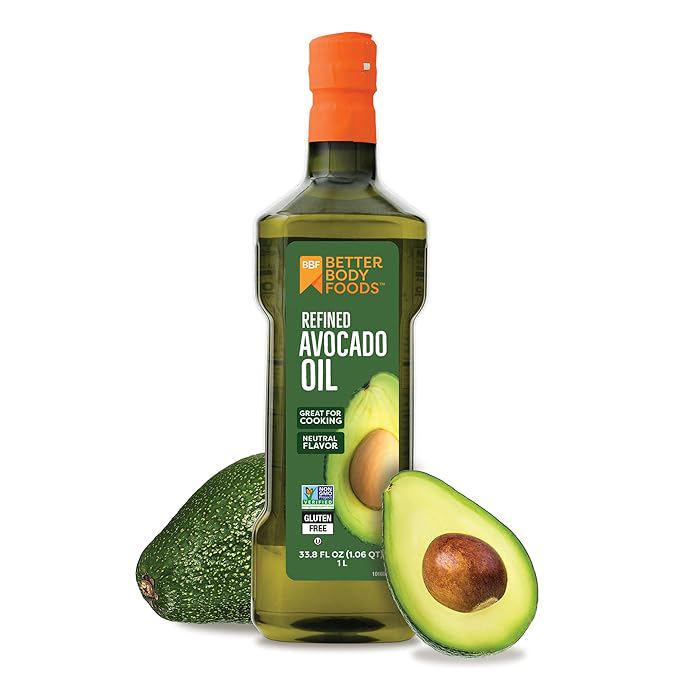
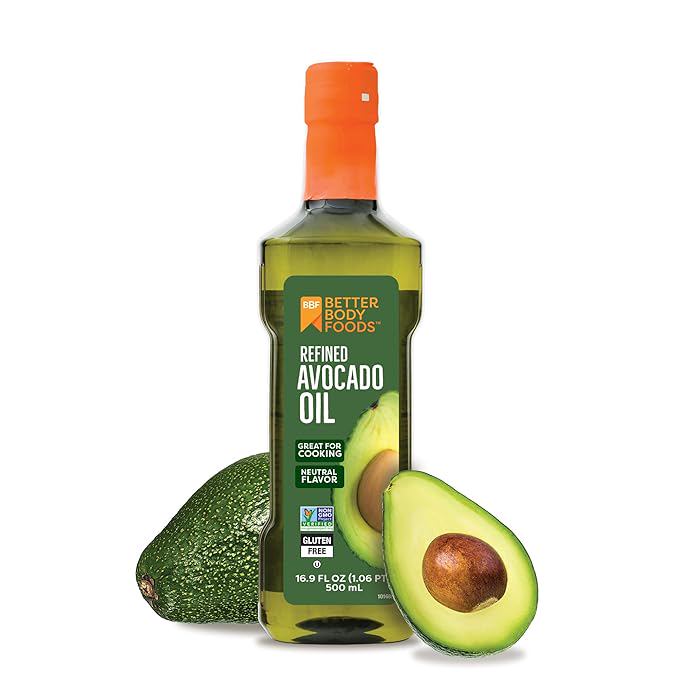
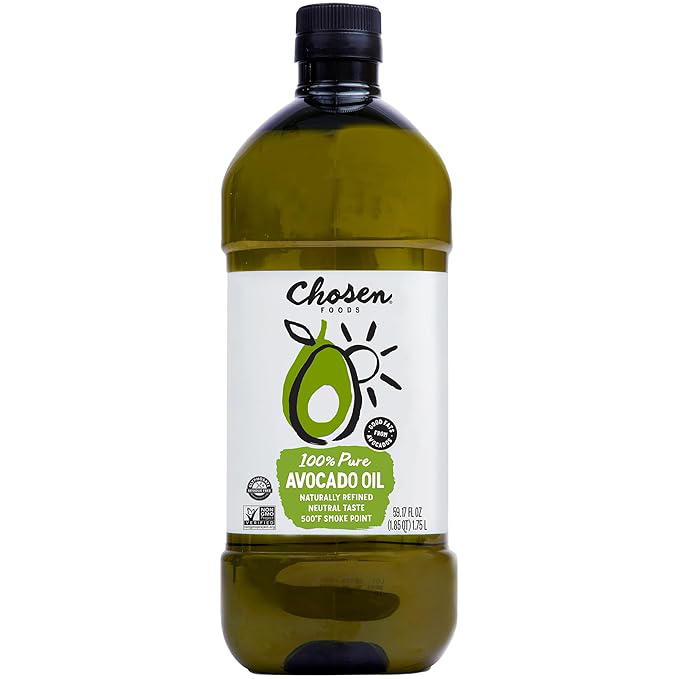
If you’re sautéing vegetables to go with your salmon, choose a more heat-stable oil like avocado oil or olive oil (yes, olive oil is fine for moderate sautéing). Then, after cooking, you can drizzle a little flax or hemp oil on top for a raw omega-3 boost.
The Other Hidden Mistake: Every Kind of Oil Isn’t the Same
Many people assume that any oil labeled “vegetable oil” is fine for cooking. That’s a problem when that oil is actually soybean, corn, or sunflower oil—these are rich in omega-6s, not omega-3s. If you’re cooking your salmon in soybean oil, you’re essentially adding pro-inflammatory omega-6s to your anti-inflammatory omega-3 meal. That’s working against your goal.
The ratio of omega-6 to omega-3 matters. Modern diets already skew heavily toward omega-6s (found in processed foods, factory-farmed meats, and most seed oils). Cooking with the wrong oil tips the scale even further.
Quick tip: For cooking omega-3-rich foods, use low-to-medium heat with an oil that’s low in polyunsaturates, like avocado oil, coconut oil, or ghee. Save the fragile omega-3 oils for raw uses.
How to Cook Omega-3 Foods the Right Way
You don’t have to give up cooked food to get your omega-3s. You just have to be more deliberate. Here’s what works:
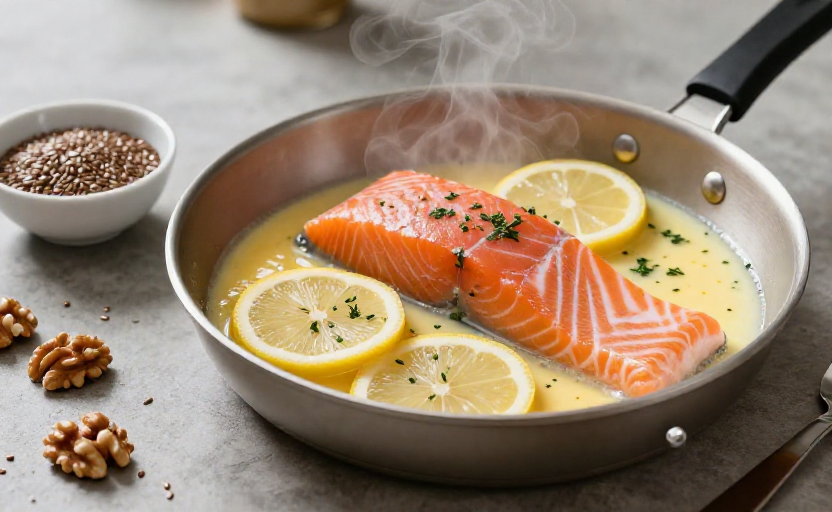
- Poach or steam fish. Gentle, moist heat keeps temperatures well below the threshold where omega-3s degrade. A simple poached salmon in broth or white wine is quick and protects the fats.
- Bake at low temperatures (300–325°F). If you prefer the oven, keep it moderate. Cover the fish with foil or parchment to hold in moisture and limit direct heat exposure.
- Pan-sear quickly over medium heat. A 3–4 minute sear per side is usually enough to cook the fish through without destroying the good fats. Use a moderate heat, not high.
- Add nuts and seeds after cooking. Sprinkle toasted walnuts or hemp hearts over a finished dish. If you want them warm, add them in the last minute of cooking.
- Use raw flax or chia seeds in smoothies, oatmeal, or yogurt. No heat necessary.
A Note on Grilling and Broiling
Direct heat can be harsh. Grilling fish over an open flame exposes it to very high surface temperatures. If you love grilled salmon, keep the time short and the heat moderate (or use a cedar plank as a buffer). Broiling is similar—it’s intense top-down heat. If you must broil, do it for only 5–7 minutes and keep the fish closer to the middle of the oven, not right under the element.
The Role of Antioxidants
Here’s a neat trick: pairing omega-3-rich foods with antioxidants can help protect those fragile fats during cooking. A squeeze of lemon juice over the fish before baking, or serving it with a side of tomatoes, peppers, or leafy greens, provides a natural shield. The antioxidants in those foods slow down the oxidation process, giving your omega-3s a better chance of survival.
Even something as simple as a marinade with vinegar, citrus, or herbs can make a real difference. Rosemary, thyme, and oregano are particularly rich in protective compounds.
The Bottom Line
Eating omega-3-rich foods is one of the best things you can do for your long-term health. But the care you take in cooking them matters just as much as the shopping. A little knowledge about heat, time, and oil choice can mean the difference between a meal that truly nourishes you and one that just fills you up.
Next time you’re about to cook salmon, toss flaxseeds into a hot pan, or stir-fry walnuts, pause. Ask yourself: Am I about to burn away the very nutrients I’m trying to get? That small moment of awareness could be the most important part of your meal.