
You’ve built a solid routine. The mat is unrolled, the weights are handy, and you’re showing up consistently. For weeks, maybe months, you felt stronger, more energized. Then, progress just… stops. The scale doesn’t budge, the weights feel just as heavy, and that satisfying post-workout buzz fades. You’ve hit a plateau, and the culprit might be the very habit that made you consistent in the first place.
According to fitness coaches, one common home workout pattern is a primary driver of these frustrating stalls. It’s not about laziness or lack of effort—it’s often about too much familiarity. The habit? Performing the exact same workout, at the same intensity, for too long. In the quest for consistency, we can accidentally build a cage of routine that our bodies adapt to and then ignore.
Why Your Body Stops Responding to the Same Routine
Your body is an incredible adaptation machine. Its primary goal is efficiency. When you present it with a novel stress—like a new set of exercises or a heavier weight—it responds by getting stronger, building endurance, or improving coordination to handle that stress better next time. This is the principle of progressive overload, the engine of all fitness gains.
But once a stimulus becomes familiar, the adaptation slows and eventually halts. Your nervous system learns the movement patterns, your muscles become metabolically efficient at the task, and you burn fewer calories doing it. You’ve mastered the workout, but mastery without progression is maintenance at best.
The goal of exercise is not to get good at your workout; it’s to use your workout to get better.
At home, without the variety of a gym floor or the structure of a class schedule, it’s incredibly easy to fall into this trap. You find a 30-minute video you like, or a circuit that feels challenging, and you repeat it. It becomes comfortable, convenient, and measurable. But comfort is the enemy of progress in fitness.
Signs You’re Stuck in a Repetition Rut
How do you know if your consistency has crossed into counterproductive territory? Look for these signals:
- The workout feels easy. You’re not breathing as hard, and your heart rate doesn’t climb like it used to.
- You’re bored. Dread or mental fatigue about starting the same thing again is a major red flag.
- You’ve stopped seeing changes. This includes strength, muscle definition, endurance, or how your clothes fit.
- You’re constantly sore in the same spots, which may indicate overuse rather than productive strain.
The Coach-Approved Strategies to Reignite Progress
Breaking a plateau doesn’t require a complete overhaul. Small, strategic shifts can re-engage your body’s adaptation systems. Think of it as editing your routine, not erasing it.
1. Manipulate Intensity, Not Just Duration
Doing “more” often means adding time—another 10 minutes, another set. Instead, try making the time you already spend more potent. For strength training, this means increasing resistance. Can you use a heavier dumbbell, add a resistance band, or try a more challenging variation (like a pistol squat progression instead of a standard squat)?
For cardio, incorporate intervals. Instead of 30 minutes of steady-state jogging, try alternating 60 seconds of high-intensity effort (sprints, jumping jacks, burpees) with 90 seconds of recovery. This challenges your cardiovascular system in a new way and can boost metabolic rate.
2. Change the Movement Pattern
If you always do forward lunges, your body is expertly adapted to that specific range of motion. Introduce lateral (side) lunges or reverse lunges. Swap a standard push-up for a decline push-up with your feet elevated. Replace a bicep curl with a hammer curl. These variations use muscles in slightly different angles and combinations, creating a novel stimulus.
3. Re-Order Your Exercises
Sequence matters. If you always do strength work first, then cardio, try flipping it. Or, within your strength circuit, change the order of exercises. Performing a movement when you’re fresh versus fatigued challenges the muscle differently. This simple reshuffle can make a familiar routine feel surprisingly new.
4. Prioritize Recovery as Part of the Program
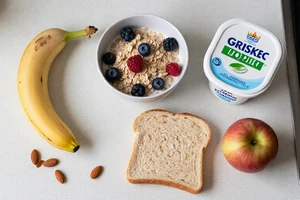
Plateaus aren’t always about the workout itself; sometimes they’re a sign of under-recovery. At home, the line between workout space and living space blurs, making it harder to mentally and physically switch off. Ensure you’re supporting your consistent effort with consistent recovery: quality sleep, hydration, nutrition, and true rest days where you move gently or not at all. Stress outside the gym directly impacts your body’s ability to adapt to stress inside the workout.
The beauty of home fitness is its flexibility. You have the freedom to experiment without waiting for equipment or feeling self-conscious. Use that freedom to your advantage. Plan your workouts in 4-6 week “blocks,” after which you intentionally change one or two key variables. This structured variation keeps your body guessing and your mind engaged.
Remember, a plateau isn’t a failure; it’s feedback. It’s your body telling you it has successfully adapted to the demands you’ve placed on it. Your job is simply to listen, and then kindly present it with a new, thoughtful challenge.