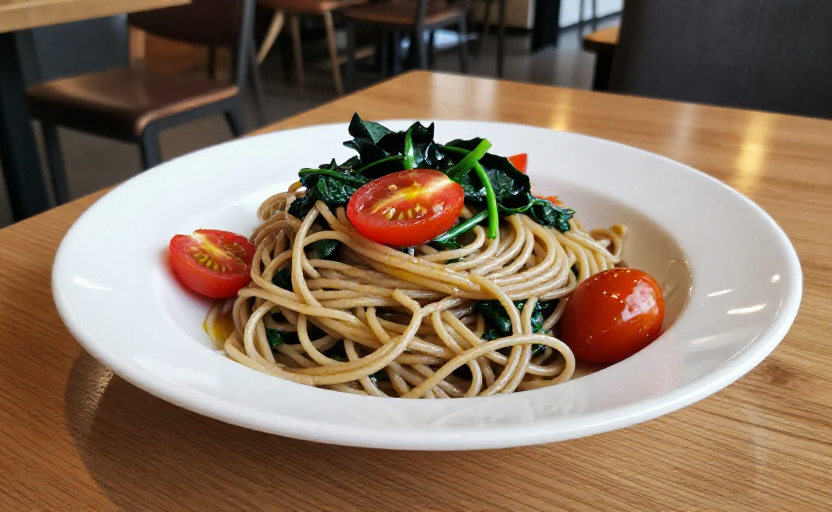
You sit down, open the menu, and the pasta section calls your name. It happens at Italian spots, at American bistros, and even at global fusion places. But here's the quiet truth that many of us miss: the pasta you're likely ordering is working against your fiber goals, and the switch you need to make is simpler than you think.
Most restaurant pasta is made from refined white flour — durum wheat that has been stripped of its bran and germ. That process removes the vast majority of the grain's natural fiber along with a handful of other nutrients. A plate of that spaghetti or penne might taste comforting, but it delivers very little in the way of the roughage your digestive system needs and your appetite craves.
Why refined pasta falls short on fiber
Fiber is the unsung hero of a satisfying meal. It slows down digestion, helps stabilize blood sugar, and keeps you feeling full longer. Refined pasta, because it lacks the fibrous outer layer of the whole grain, breaks down quickly in your body. That rapid digestion can lead to a spike in blood glucose, followed by a crash that leaves you hungry again before long.
Many diners assume that any pasta is a reasonable choice when they order vegetables on the side or choose a tomato-based sauce over a creamy one. But the pasta itself — the core of the dish — is often the most overlooked variable. If you are eating out several times a week and consistently ordering regular pasta, you might be missing a critical opportunity to boost your fiber intake without cutting calories.
The whole wheat swap changes everything
Whole wheat pasta is made from the entire grain, which means it retains the bran, germ, and endosperm. That single difference means it delivers notably more fiber, as well as minerals like manganese, selenium, copper, and phosphorus. A one-cup serving of cooked whole wheat pasta provides a significant portion of your daily manganese needs — a mineral involved in antioxidant defenses. The same serving also offers meaningful amounts of folic acid, which is particularly important for women who are pregnant or planning a pregnancy.
Folic acid supports healthy cell growth, and whole wheat pasta can supply roughly a quarter of the recommended daily value per cup. That is a worthwhile nutrient boost, especially when you consider that many restaurant meals are otherwise low in folate-rich ingredients.
What the switch does for your health
Better blood sugar control
Because whole wheat pasta has more fiber and a lower glycemic index than the refined version, it digests more slowly. That gradual release of energy helps keep your blood sugar steadier after a meal. Over time, choosing whole grains over refined ones is one of the practical steps that can lower your risk of insulin resistance.
Lower sodium and no cholesterol
Pasta itself is naturally low in sodium and contains no cholesterol. That makes it a neutral base for a balanced meal. The problem arises when the pasta is refined — because the fiber and nutrients are missing, you are essentially eating a starch that contributes little beyond calories. Whole wheat pasta retains the nutritional profile that makes the dish worthwhile.
Curbing hunger between meals
If you have ever eaten a big bowl of white pasta and felt hungry again an hour later, you have experienced the downside of refined carbs. The fiber in whole wheat pasta slows down gastric emptying, so you feel satisfied for longer. Pair it with lean protein — like grilled chicken or shrimp — and a generous portion of vegetables, and you have a meal that genuinely sustains you.
How to make the switch at a restaurant
Ordering whole wheat pasta when dining out is not always automatic. Some restaurants list it on the menu as an option; others offer it as a substitution if you ask. Here are a few practical steps to try:
- Check the menu for language like "whole wheat," "whole grain," or "high-fiber" pasta. If you do not see it, ask your server if they can substitute whole wheat pasta for the standard refined kind. Many kitchens accommodate this request.
- Be aware that some restaurants use pasta blends that combine white and whole wheat flour. These still offer more fiber than refined-only pasta, but not as much as 100% whole wheat. Ask for clarification if it matters to you.
- If whole wheat is not available, consider opting for a legume-based pasta like chickpea or lentil pasta, which some restaurants now carry. These are even higher in fiber and protein, though they have a different taste and texture.
- Control the portion by ordering a lunch size or a half portion when available. Even whole wheat pasta should be eaten in moderation as part of a balanced plate.
A small shift — from white pasta to whole wheat pasta — can add several grams of fiber to your meal without changing the flavor profile dramatically.
What about the sauce and toppings?
No matter which pasta you choose, the rest of your meal matters. Cream-based sauces, heavy cheese, and processed meats like sausage or bacon can add saturated fat and sodium. Pair your whole wheat pasta with a marinara or primavera sauce, plenty of vegetables, and a lean protein source. That combination gives you fiber from the pasta plus additional fiber, vitamins, and minerals from the produce.
If you are watching your calorie intake, be mindful of the oil and cheese added at the end. A drizzle of olive oil is fine, but a heavy hand can turn a healthy meal into a high-calorie one.
The bottom line on pasta and fiber at restaurants
You do not have to give up pasta to hit your fiber goals. But the version you choose matters more than most people realize. Refined pasta is a low-fiber base that does little to support digestive health, blood sugar stability, or satiety. Whole wheat pasta flips that equation — it brings fiber, minerals, and a slower energy release to your plate.
When you dine out, make a habit of scanning the menu for whole grain options or simply ask. The small effort of switching your pasta choice is one of the easiest dietary tweaks you can make without overhauling your entire eating pattern. Your body — and your future self — will thank you for that extra fiber.