You’re putting in the work. Planks, crunches, maybe even some leg raises. You feel the burn, so you assume you’re building that strong, stable core you’re after. But weeks or months go by, and the visible results or performance gains you expected just aren’t happening. Your lower back might even complain more than it used to. If this sounds familiar, you’re likely making a fundamental, almost universal mistake: you’re training your core for show, not for go.
The error isn’t a lack of effort. It’s a misunderstanding of function. We’ve been conditioned to think of the core as a ‘six-pack’—a set of surface muscles we crunch into submission. In reality, your core is a complex, 360-degree cylinder of muscles, from your diaphragm down to your pelvic floor, wrapping around your sides and spine. Its primary job isn’t to flex your spine, but to prevent movement. It’s your body’s natural weight belt, stabilizing your torso so your arms and legs can generate powerful, safe movement.
When you focus only on spinal flexion—crunching forward—you neglect the deeper stabilizing muscles designed for endurance and support. This creates an imbalance. Your rectus abdominis (the ‘six-pack’ muscle) might get overworked, while your transverse abdominis (your inner corset) and obliques remain underdeveloped. The result? You might look a certain way in a mirror flex, but you won’t have the functional strength to improve your lifts, protect your back, or enhance your athletic performance. Progress stalls.
Why Crunches Aren't the Answer
Let’s be clear: crunches aren’t evil. But relying on them as your core cornerstone is like building a house on a shaky foundation. The repetitive spinal flexion under load places significant stress on the discs of your lower back. More critically, it teaches your core to do the opposite of its main job.
Your core’s essential function is anti-movement: resisting extension, flexion, rotation, and lateral bending.
Think about a heavy deadlift or a forceful tennis serve. Your spine isn’t crunching; it’s held rock-solid while force transfers through your hips and shoulders. That’s core stability. By only practicing crunches, you’re not training for that reality.
Shifting from Flexion to Function
The fix is a philosophical and practical shift. Stop asking, “How can I make my core move?” Start asking, “How can I make my core brace to support other movement?”
This begins with mastering the brace. It’s not sucking in your stomach. It’s the gentle, full engagement you’d use if someone were about to tap your belly. You engage your entire midsection, feeling tension in the front, sides, and lower back, while maintaining normal breathing. This bracing pattern is the foundation of every effective core exercise.
Foundational Fixes: Three Anti-Movement Patterns
Incorporate these three categories to build a truly resilient core. Start with bodyweight, focusing on impeccable form and time under tension over reps.
- Anti-Extension: These exercises prevent your lower back from arching. The dead bug is a perfect starter. Lying on your back with knees bent 90 degrees, brace your core and slowly lower one heel to tap the floor, then return. The goal is to keep your ribcage down and lower back flat against the floor throughout.
- Anti-Lateral Flexion: These exercises prevent your torso from bending sideways. The suitcase carry is brilliantly simple. Hold a single moderately heavy weight (like a kettlebell or dumbbell) in one hand and walk steadily for distance. Your core works overtime to resist being pulled to the side.
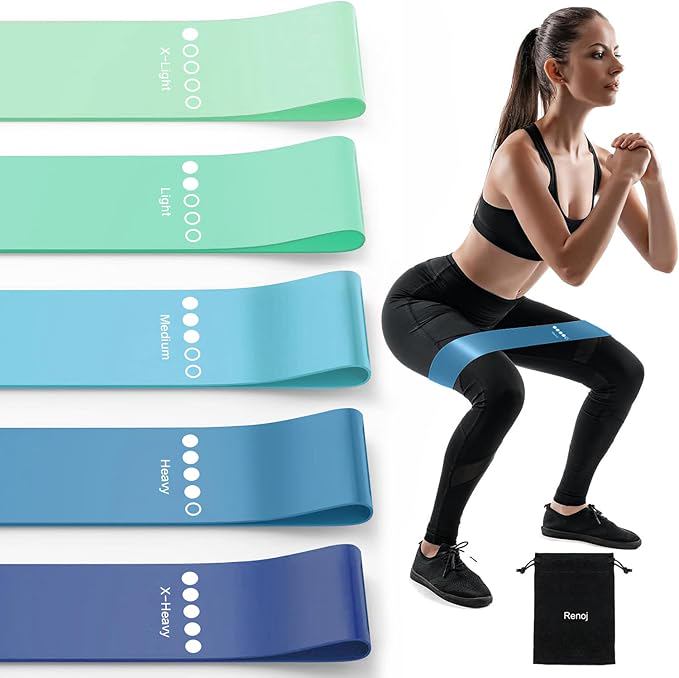
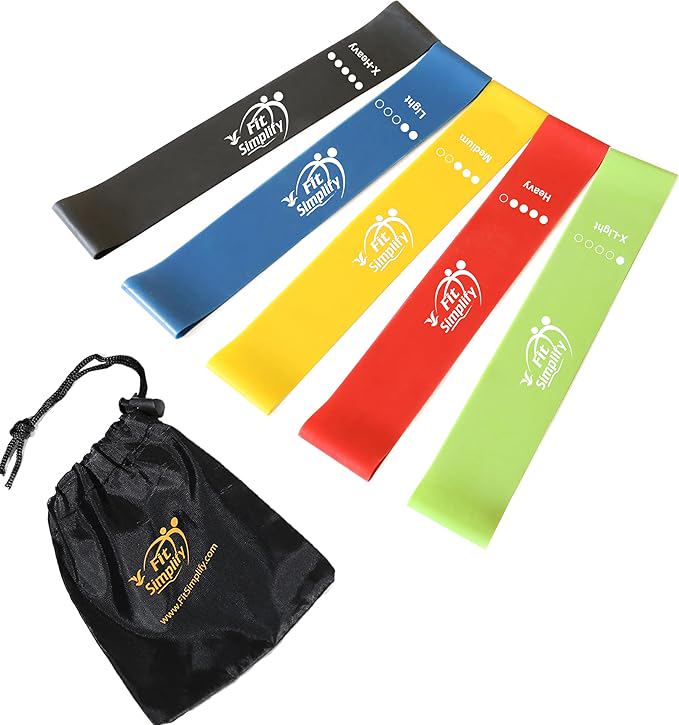
- Anti-Rotation: These exercises prevent your shoulders from twisting independently of your hips. The Pallof press is a gold standard. Attach a resistance band to a stable anchor at chest height. Stand sideways, grab the handle with both hands at your sternum, step out to create tension, and press your arms straight out. Resist the band’s pull to rotate you.
Integrating Core Work into Your Routine
You don’t need a separate 30-minute core blast. In fact, weaving stability work into your existing workouts is more effective and efficient.
Start your workout with 5-10 minutes of the foundational drills above as part of your dynamic warm-up. This ‘turns on’ your stabilizing muscles before you load them. During compound lifts like squats and rows, focus intensely on that braced core. Each rep becomes a core exercise. Finally, you can add 1-2 dedicated anti-movement exercises at the end of 2-3 workouts per week, treating them with the same focus you would a major lift.
Remember, the goal is quality of contraction, not quantity of repetitions. A 20-second plank with perfect bracing and alignment is far more valuable than a two-minute plank with a sagging lower back. Listen to your body. The burn should be a deep, wrapping sensation around your midsection, not a sharp pain in your neck or back.
By making this shift—from crunches to bracing, from flexion to stability—you’ll begin to train your core for its true purpose. You’ll likely feel a difference in your daily posture, notice new strength in your big lifts, and finally break through that frustrating plateau. Your core is the link that transfers power; make it strong, stable, and smart.