
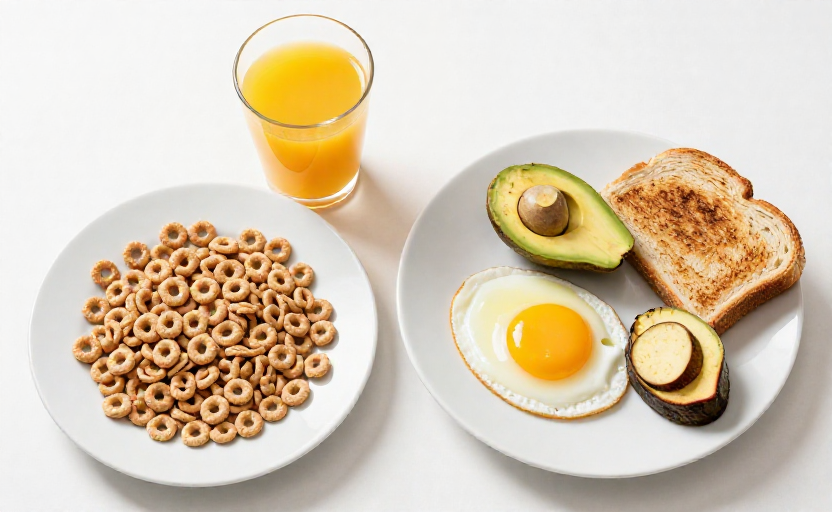
For many of us, breakfast is a meal of habit. We reach for the same box of cereal, the same quick smoothie ingredients, or the same convenient bar without a second thought. It’s fuel to start the day. But what if one of those deeply ingrained habits was quietly working against your body’s ability to manage blood sugar?
The connection between what we eat and our blood sugar is well-known, but breakfast holds a unique power. It sets the metabolic tone for the entire day. A choice that seems harmless—or even healthy—can trigger a cascade of hormonal responses that lead to energy crashes, cravings, and over time, may challenge the body’s delicate balance of glucose and insulin.
What is the common breakfast habit that disrupts blood sugar?
The habit is starting your day with a meal that is predominantly, or exclusively, composed of refined carbohydrates and sugars, with little to no protein, healthy fat, or fiber to balance it out. Think of a bowl of sugary cereal with milk, a plain bagel with jam, a fruit smoothie made mostly from juice, or a pastry with a sweet coffee drink.
This pattern creates a rapid spike in blood glucose. Your pancreas responds by releasing a large amount of insulin to shuttle that sugar into your cells. The result is often a sharp rise, followed by a steep drop—a blood sugar “crash” that leaves you feeling tired, hungry, and craving more quick energy long before lunch.
Breakfast sets the metabolic tone for the entire day. A mismatched meal can lead to a cycle of spikes and crashes.
Why does this happen?
Refined carbohydrates and simple sugars are broken down and absorbed into your bloodstream very quickly. Without the moderating presence of other nutrients, they flood your system with glucose. Fiber, protein, and fat slow down digestion and the rate at which sugar enters your blood, creating a gentler, more sustained release of energy.
When you consistently eat high-carb, low-fiber breakfasts, you repeatedly ask your body for an extreme insulin response. Over time, this can contribute to insulin resistance, a condition where your cells stop responding efficiently to insulin’s signal. It’s a foundational issue in metabolic health.
What does a blood-sugar-friendly breakfast look like?
The goal isn’t to eliminate carbohydrates but to pair them intelligently. A balanced plate helps modulate the glucose response and provides lasting energy.
- Include a quality protein source: Eggs, Greek yogurt, cottage cheese, tofu, or a protein powder can anchor your meal.
- Don’t fear healthy fats: Avocado, nuts, seeds, or a drizzle of olive oil add satiety and flavor.
- Choose fiber-rich carbohydrates: Opt for whole grains like oats or quinoa, and incorporate non-starchy vegetables where you can. Berries are a lower-sugar fruit option.
For example, instead of a plain bowl of cornflakes, try a smaller serving of oatmeal topped with Greek yogurt, almonds, and a handful of berries. Swap a fruit juice for whole fruit paired with a handful of nuts.
Beyond the plate: other morning factors
Your food choices are central, but other common morning routines can influence blood sugar control.
Starting the day stressed
Rushing out the door, checking emails immediately, or skipping moments of calm can elevate cortisol, your body’s primary stress hormone. Cortisol tells your liver to release stored glucose into the bloodstream, raising levels even if you haven’t eaten yet.
Skipping breakfast altogether
While intermittent fasting works for some, for others, skipping breakfast can lead to extreme hunger later, making it harder to make balanced choices and potentially leading to overeating at the next meal, which can also cause a significant spike.
The first beverage
A large, sweetened coffee drink first thing is essentially a liquid sugar bomb. Even seemingly healthy options like a green juice can be high in sugar and low in fiber. Starting with water, herbal tea, or black coffee is a gentler choice.
Changing a long-standing habit takes awareness and patience. The point isn’t to create a restrictive list of forbidden foods, but to understand the impact of nutritional balance. By simply adding a source of protein or healthy fat to your usual breakfast, you can transform its effect on your energy and hunger. It’s a small, powerful shift toward supporting your body’s natural rhythms for the whole day ahead.