
Finding a sustainable rhythm for home workouts is one of the most common—and most frustrating—hurdles for beginners. The initial burst of motivation can lead to daily sessions, only to be followed by burnout, soreness, and a quiet retreat to the couch. The mistake isn't a lack of effort; it's a misunderstanding of how the body adapts. True progress in fitness, especially when you're managing both strength and cardio under one roof, isn't built on daily exhaustion. It's built on the strategic balance of stress and recovery.
This balance is your foundation. It determines whether you feel energized or depleted, whether you see steady improvement or hit a wall of fatigue. Getting it right means your home becomes a place of consistent growth, not a reminder of failed resolutions.
Why More Isn't Always Better
When you're starting out, it's easy to equate frequency with results. If three workouts a week are good, surely six must be great. But our bodies don't work on a simple math equation. Every workout creates microscopic damage in your muscles and depletes energy stores. This stress is necessary—it's the signal for your body to rebuild stronger and more resilient. However, the actual strengthening and cardiovascular adaptation happen during the rest periods between workouts.
Overtraining isn't a badge of honor; it's a roadblock. Symptoms like persistent fatigue, irritability, stalled progress, and nagging aches are your body's request for a recalibration.
Without adequate recovery, you short-circuit the process. You're constantly breaking down without allowing for the repair. This is why a haphazard schedule of daily, full-body efforts often leads nowhere fast. A balanced plan respects the need for both stimulus and sleep, for both effort and ease.
Building Your Weekly Framework
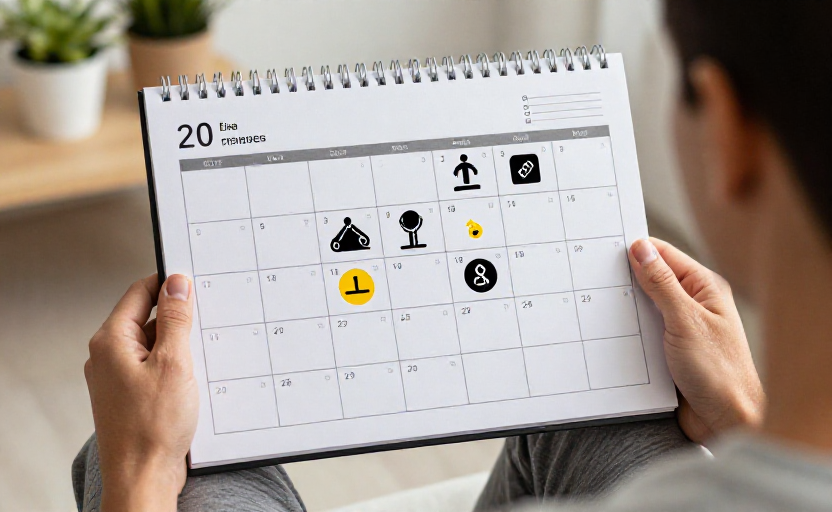
Think of your week not as a blank slate to fill with workouts, but as a container for different types of effort. A balanced home routine for beginners typically revolves around three to four total sessions per week. This frequency provides enough stimulus for adaptation while leaving ample room for recovery.
A classic and effective approach is the alternating split. You might dedicate two days to strength training and two days to cardio, with at least one full day of rest between similar types of work. For instance:
- Monday: Full-body strength
- Tuesday: Moderate-paced cardio (e.g., brisk walking, cycling)
- Wednesday: Active recovery or rest
- Thursday: Full-body strength
- Friday: Interval-style cardio (e.g., alternating jogging and walking)
- Weekend: Rest, gentle movement, or fun activity
This structure ensures you're not hammering the same muscle groups or energy systems on consecutive days. Your strength days challenge your muscles and nervous system; your cardio days improve heart and lung capacity and aid circulation for recovery. The rest days are non-negotiable; they are where the magic of adaptation occurs.
Listening to Your Body's Signals
The framework above is a template, not a rigid command. The most crucial skill you can develop is awareness. Some weeks, you might feel energized and complete all four sessions strongly. Other weeks, life stress, poor sleep, or general fatigue might mean you need to swap an intense cardio day for a gentle walk or take an extra rest day.
This isn't failing. This is intelligent training. Distinguish between the mental resistance of getting started and the physical plea for rest. A little muscle soreness is normal; sharp pain or joint discomfort is a stop sign. Feeling tired before a workout is common; feeling utterly drained for days is a signal.
Mixing Strength and Cardio in a Single Session
If you prefer longer workout sessions fewer days per week, combining strength and cardio is perfectly viable. The key is order and priority. For general health and fitness, perform your strength work first when your muscles and nervous system are fresh. This allows you to maintain good form and lift with appropriate intensity, which is critical for safety and results.
Follow your strength work with 20-30 minutes of cardio. This sequence ensures you don't compromise your strength gains due to pre-fatigue from cardio. Keep the cardio moderate on these combined days—think steady-state effort, not an all-out sprint session. Save your highest-intensity cardio for days when it's the sole focus.
Signs You Need to Adjust Your Frequency
Your schedule should feel challenging but sustainable. Watch for these signs that your balance is off:
- Chronic soreness: Muscle soreness that doesn't fade after 2-3 days.
- Performance plateau or decline: You can't lift the same weight, run the same distance, or your workouts feel inexplicably harder.
- Mood changes: Unusual irritability, lack of motivation, or feeling down.
- Sleep disruption: Trouble falling asleep or staying asleep despite feeling tired.
- Frequent illness: Getting every cold that goes around can indicate a taxed immune system from overtraining.
If you notice these patterns, it's a clear sign to pull back. Consider adding an extra rest day, reducing the intensity of your cardio, or ensuring your strength sessions aren't always going to maximum failure.
The Role of Non-Exercise Activity
Finally, remember that your formal workouts are just one part of the movement puzzle. Your overall daily activity—walking the dog, taking the stairs, gardening, pacing while on the phone—contributes significantly to your health and recovery. On your designated rest days, rest doesn't necessarily mean total stillness. Gentle movement like a leisurely walk or light stretching can enhance blood flow and reduce stiffness, actually aiding the recovery process. This is often called active recovery, and it can be a powerful tool for feeling better between your more focused sessions.
Balancing your home workout frequency is less about following a perfect universal plan and more about learning the rhythm of your own body. Start with a sensible framework of three to four sessions per week, alternating your focus. Pay close attention to how you feel, and have the flexibility to adjust. Consistency over months and years will always trump intensity over weeks. By avoiding the beginner's mistake of doing too much too soon, you build the durable habits that lead to lasting strength, vitality, and well-being.