Finding the right fuel before a workout can feel like a delicate balancing act. You want enough energy to power through your session, but you also want to avoid that heavy, sluggish, or crampy feeling that can derail your best intentions. The goal isn't to eat a full meal; it's to provide your body with accessible, gentle fuel that supports performance without demanding excessive digestive effort.
The ideal pre-workout snack is a combination of easily digestible carbohydrates for quick energy, a modest amount of protein or healthy fat for staying power, and minimal fiber and fat that can slow digestion. Timing and portion size are just as critical as the food choice itself. Let's explore how to navigate this to find what works uniquely for your body and routine.
What Makes a Snack “Easy to Digest” Before Exercise?
During exercise, blood flow is redirected to your working muscles, away from your digestive system. This is why eating a large, complex meal right before you move can lead to discomfort—your gut simply doesn't have the resources to break it down efficiently at that moment.
An easy-to-digest snack is typically lower in dietary fiber and fat. While both are essential parts of a healthy diet, they slow gastric emptying. Before a workout, you want food that moves through your stomach relatively quickly to provide fuel without sitting heavily. The primary focus shifts to simple carbohydrates, which are broken down rapidly into glucose, your muscles' preferred energy source.
The sweet spot for most people is eating a small snack 30 to 60 minutes before a workout. This gives your body enough time to begin digestion and start mobilizing energy, without the food still being a lump in your stomach.
Timing and Portion: The Non-Negotiables
Even the perfect snack can cause issues if the timing or amount is off. Your body needs a window to process what you've eaten.
- 60–90 minutes before: This window allows for a slightly larger snack, perhaps including a bit more protein or a complex carb like oatmeal.
- 30–60 minutes before: This is the most common and effective window. Opt for simpler carbs and very small amounts of protein or fat.
- 15–30 minutes before: Stick to almost purely simple carbohydrates in liquid or very light form, like a piece of fruit or a few sips of a sports drink.
Portion size should be small—think of it as a snack, not a meal. A good rule of thumb is 150–250 calories, depending on the intensity and duration of your planned activity. The closer you eat to your workout, the smaller the snack should be.
Reliable Pre-Workout Snack Ideas
These options combine quick-digesting carbs with minimal gut irritants. It's always best to test new foods during lighter training days, not before a race or important event.
For a Quick 30-Minute Window
When time is short, simplicity wins.
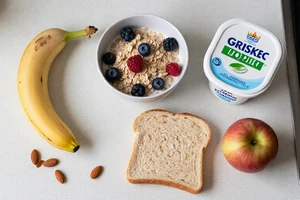
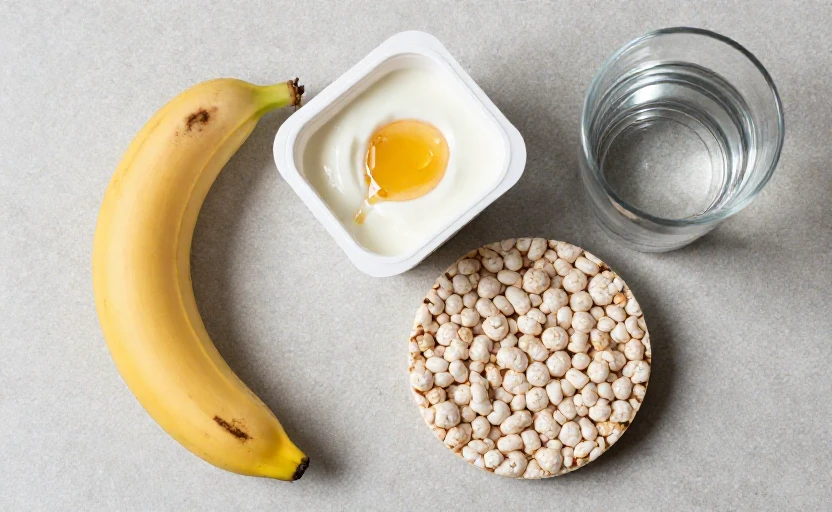
- A ripe banana: Nature's perfect sports food. It's rich in potassium and offers easily accessible carbohydrates.
- Applesauce or a pear cup: The processing breaks down some fiber, making the sugars even more readily available.
- A handful of dried fruit: Dates, raisins, or apricots provide concentrated carbs. Pair with a few sips of water to aid digestion.
- A rice cake with a thin spread of honey: Provides simple carbs without fat or fiber.
For a 45–60 Minute Window
With a bit more time, you can incorporate a small amount of protein or healthy fat for more sustained energy.
- Greek yogurt with a drizzle of maple syrup: The yogurt offers protein, while the syrup adds simple carbs. Choose a plain yogurt to avoid artificial sweeteners that can cause bloating for some.
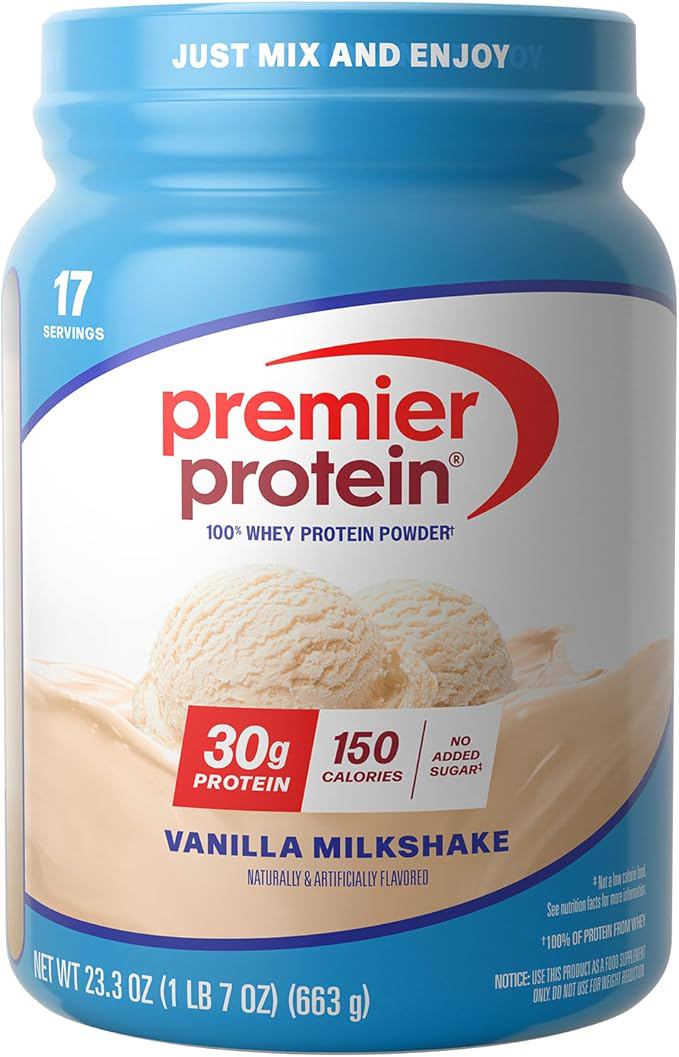
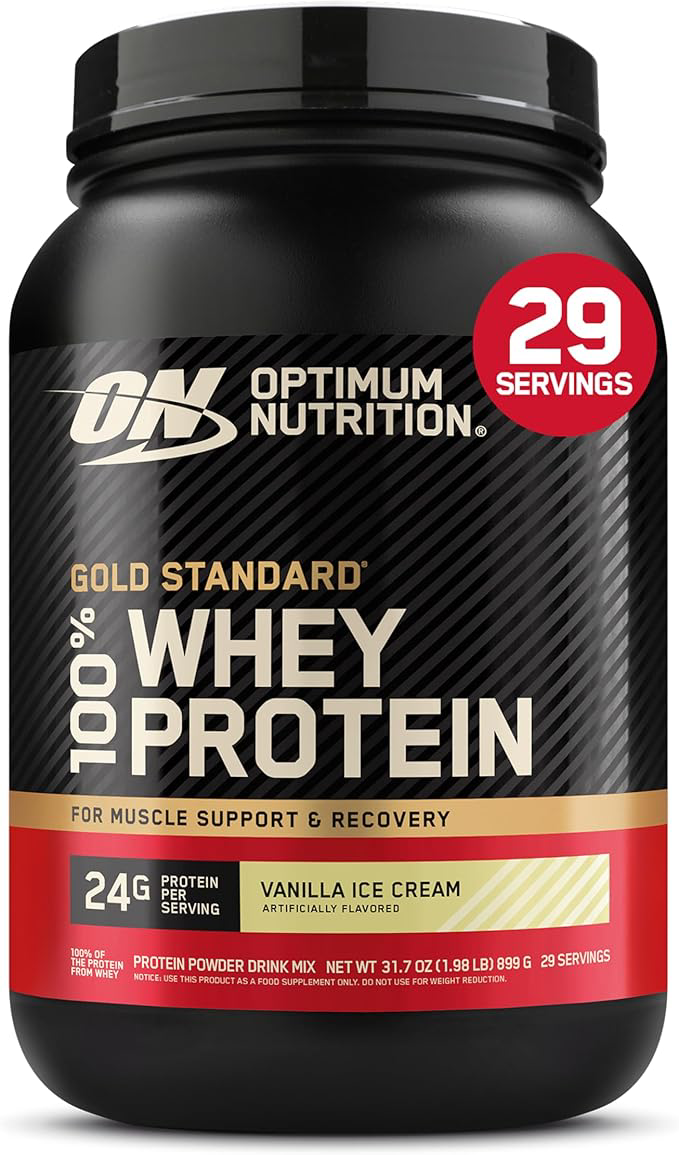
- A small smoothie: Blend a half banana, a scoop of plain protein powder, and water or almond milk. Keep it low in fiber by avoiding adding greens, chia seeds, or nut butter.
- Toast with half a tablespoon of almond butter: Use white or sourdough bread for lower fiber, and go light on the nut butter to keep fat content in check.
- A small serving of oatmeal: Made with water rather than milk to reduce fat. Top with a few banana slices instead of high-fiber berries.
Foods and Ingredients to Approach with Caution
Some generally healthy foods can be problematic pre-workout due to their fiber, fat, or specific compound content. This doesn't mean you should avoid them altogether, but rather save them for post-workout or other meals.
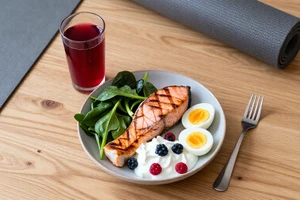
- High-fiber vegetables and legumes: Broccoli, beans, lentils, and cruciferous veggies are famous for causing gas and bloating.
- High-fat foods: Cheese, fatty meats, avocado in large amounts, and deep-fried foods digest slowly and can feel heavy.
- Spicy foods: Can trigger heartburn or indigestion when combined with the jostling of exercise.
- Artificial sweeteners (sugar alcohols): Commonly found in “sugar-free” protein bars and snacks, sorbitol and maltitol are notorious for causing gastrointestinal distress.
- Carbonated drinks: The bubbles can lead to uncomfortable gas and cramping.
Listen to your body's signals. Cramping, side stitches, bloating, or reflux are clear signs that a particular food or timing doesn't work for you.
Hydration: The Silent Partner to Your Snack
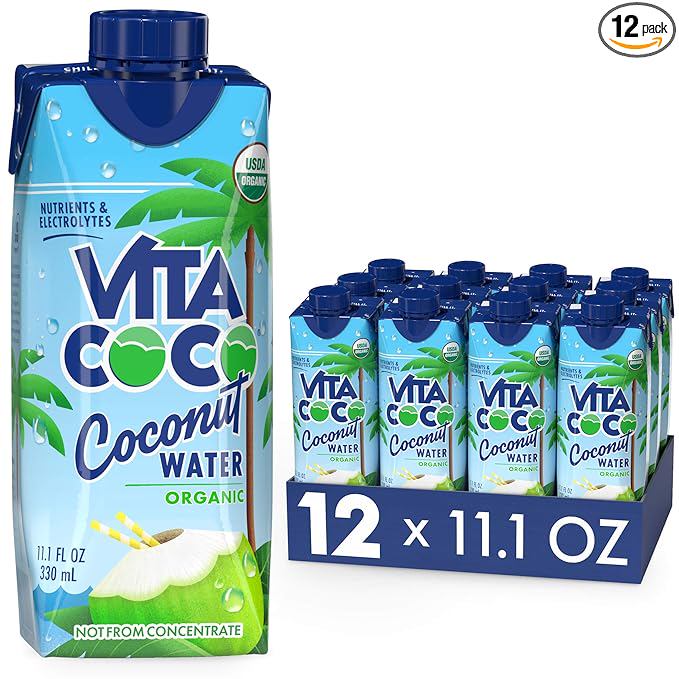
Don't forget about fluids. Dehydration can mimic feelings of fatigue and can also slow digestion. Sip water consistently throughout the day leading up to your workout. With your pre-workout snack, 8–12 ounces of water is usually sufficient. For very intense or long sessions, an electrolyte drink might be beneficial, but for most moderate workouts, water is perfect.
The journey to finding your ideal pre-workout fuel is personal. It requires paying attention to how different foods make you feel in the context of your activity. Start with simple, bland options and gradually experiment. When you find a snack that gives you steady energy and leaves your stomach feeling calm, you’ve found a valuable tool in your fitness toolkit.