Returning to movement after having a baby is less about a rigid schedule and more about a gentle, ongoing conversation with your body. The question of "how often" can feel loaded, tangled up in pre-pregnancy expectations and societal pressure to "bounce back." But postpartum fitness isn't about hitting a weekly quota; it’s about learning a new language of physical cues and responding with kindness. Your body has just accomplished an extraordinary feat, and the timeline for rebuilding strength is uniquely yours.
This guide is a practical framework for navigating that timeline. We’ll explore how to interpret your body’s signals, establish realistic starting points, and gradually find a rhythm of movement that supports healing and energy, rather than depleting it. Forget the old rules. Here, the only metric that matters is respectful response.
Why "Listening" Is Your Most Important Postpartum Skill
Before pregnancy, you might have gauged a workout by calories burned or miles run. Postpartum, the most vital metric shifts internally. Listening to your body means paying close attention to subtle feedback it gives you during and after activity. This isn't a passive act; it's active, mindful observation that protects your recovery.
Your core and pelvic floor have undergone significant strain. Connective tissue is still returning to its new normal. Hormones like relaxin, which increased joint flexibility during pregnancy, can remain elevated for months, especially if you're breastfeeding. This makes you more susceptible to injury if you push through pain or fatigue. Tuning in helps you distinguish between the general discomfort of rebuilding strength and the sharp, specific pain that signals "stop."
Your workout frequency should be dictated by your recovery speed, not a calendar.
Key Signals to Listen For (And What They Mean)
Your body communicates clearly. Learning to interpret these signals is the cornerstone of safe postpartum progression.
During a Workout: The Immediate Feedback
Heaviness or dragging in the pelvic floor. This sensation of pressure, bulging, or simply feeling like something is "dropping" is a direct request to ease up. It often means your pelvic floor muscles are fatigued and need a break. Modify the movement, reduce impact, or stop for the day.
Coning or doming in your abdomen. If you see a vertical ridge or bulge protrude along the midline of your belly during exercises like sit-ups, planks, or even when getting out of bed, it’s a sign of intra-abdominal pressure overwhelming your healing abdominal wall. This is your cue to regress the exercise.
Shortness of breath beyond exertion. While being winded is normal, a sudden, disproportionate inability to catch your breath can be linked to core and diaphragm dysfunction. Pause and focus on diaphragmatic breathing.
After a Workout: The 24-Hour Window
The true test of an activity's appropriateness often comes in the hours and day following it.
- Increased pelvic floor symptoms: New or worsened urine leakage, increased pelvic pressure, or a feeling of fullness that lasts.
- Abdominal separation (diastasis recti) feeling wider or softer the next morning.
- Unusual joint pain in your hips, knees, or pubic bone that wasn't there before.
- Significant fatigue that disrupts your ability to care for yourself or your baby, rather than the satisfying tiredness of a good effort.
If you notice these, consider it valuable feedback. Your last session was likely too long, too intense, or included movements you're not ready for. The next step is to scale back.
Building a Flexible Framework for Frequency
With listening as your guide, you can build a flexible approach. Think in phases, not fixed days per week.
The First 6 Weeks (The Healing Phase): For most, formal workouts are not advised until after your postpartum check-up. Frequency here is about daily gentle movement: short, slow walks as tolerated, deep breathing exercises, and very gentle pelvic floor and core connection work (like breath-focused engagement). This isn't about fitness; it's about promoting circulation and re-establishing mind-body connection. Let comfort be your guide—some days that may be a 5-minute walk, other days it may be rest.
Weeks 6-12 (The Reconnection Phase): If cleared by your provider, you can begin introducing structured, gentle exercise. A realistic frequency might be 2-3 short sessions per week, with at least one full rest day between sessions. These sessions should be primarily focused on foundational strength: rebuilding the deep core, restoring pelvic floor function, and addressing any diastasis recti. The length is less important than the quality. A focused 15-minute session is far more valuable than a taxing 45 minutes.
3-6 Months Onward (The Progressive Phase): As your body feels more resilient, you may gradually increase frequency to 3-4 times per week. The key word is gradually. You might add 5 minutes to a session, or introduce one new movement pattern per week. Continue to prioritize the post-workout feedback window. Consistency with moderate effort trumps sporadic intensity.
Remember, life with a newborn is unpredictable. A "week" might not look like seven days. Sometimes, three 10-minute sessions scattered throughout a week is a monumental success. Other weeks, one longer walk might be all that fits. That's perfectly okay. Flexibility is part of the program.
What to Do Instead of Counting Workouts
Shift your focus from frequency to these actionable principles:
- Prioritize Sleep and Nutrition: Your body's capacity for exercise is directly tied to its resources. Nourishing food and maximizing rest (in whatever fragments you can) are non-negotiable parts of postpartum fitness.
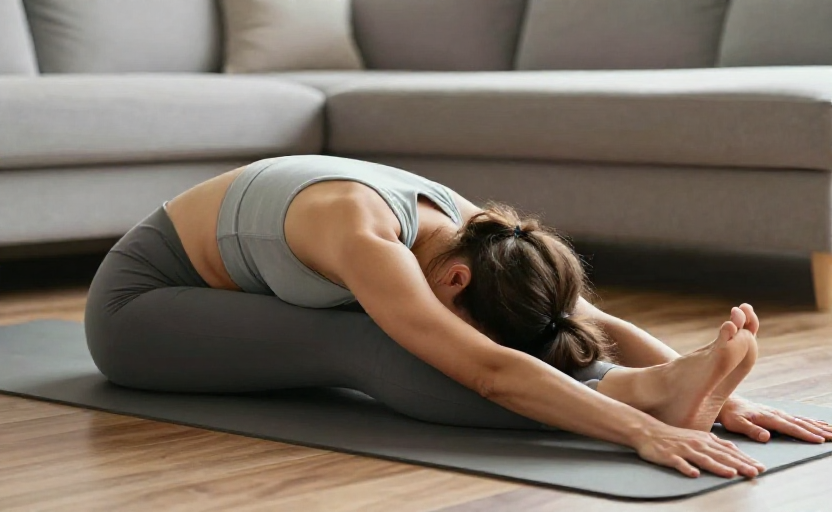
- Embrace "Exercise Snacks": Can't find 30 minutes? Do 5 minutes of mindful stretching while the baby naps. Practice pelvic floor engagement at a stoplight. Ten squats while holding your baby. These bits add up and keep the connection alive.
- Track How You Feel, Not What You Did: Keep a simple journal note: "Felt strong on walk, no heaviness afterward," or "Tried gentle core work, noticed coning, will try an easier version tomorrow." This tracks progress in the most meaningful way.
Postpartum fitness is a journey back to yourself, but it's a path that requires a new map. By letting your body's wise signals set the pace, you build a foundation of strength that is sustainable, respectful, and truly powerful. It’s not about how often you work out; it’s about how well you recover and how good you feel in the life you're now living.