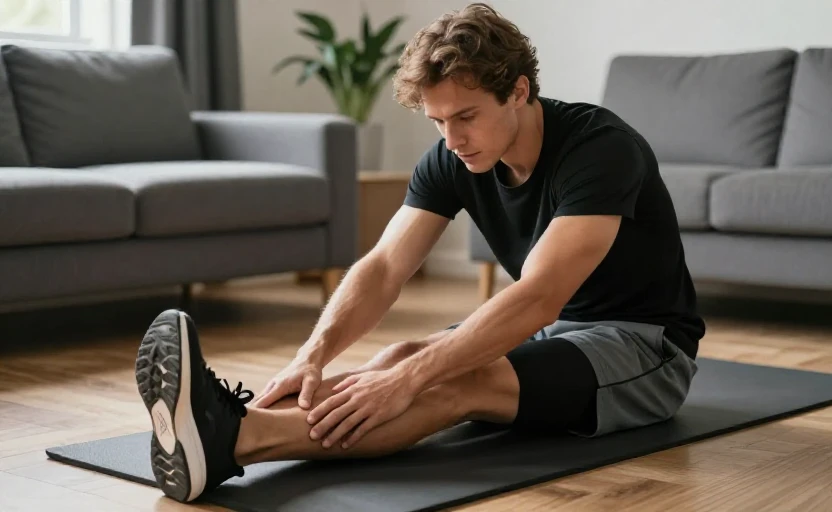
You finish a challenging workout, feeling accomplished and strong. A day or two later, you feel a different kind of strength—the kind required to lower yourself onto a toilet seat. That familiar, deep ache in your muscles has arrived. This sensation, known as delayed onset muscle soreness or DOMS, is a universal experience for anyone who pushes their physical limits. It’s a sign of adaptation, but it also raises a common question: how do you know when this soreness is a productive part of getting stronger, and when is it a red flag telling you to take a break?
The line between good pain and bad pain isn't always clear. Learning to interpret your body's signals is a crucial skill for sustainable fitness. It allows you to train consistently, avoid setbacks, and respect the process of rebuilding.
What Exactly Is That Sore Feeling?
When you introduce your muscles to a new activity, increase your intensity, or add more volume, you create microscopic tears in the muscle fibers. This isn't a bad thing; it's the essential stimulus for growth and strength. The soreness you feel 24 to 72 hours later is the inflammatory response to that damage. Your body sends fluids and nutrients to the area to repair the tears, building the muscle back slightly bigger and stronger than before—a process called supercompensation.
DOMS is typically a whole-muscle ache, not a sharp or pinpoint pain. It feels stiff and tender, especially when you move after being still.
This type of soreness is usually symmetrical. If you did lunges, both legs will feel it. It peaks within a day or two and gradually fades over the next several days. You might feel a temporary reduction in your range of motion or strength, but it’s a dull, diffuse discomfort that eases up as you start moving and warming up the area.
Signs Your Soreness Is Normal (and Productive)
Productive soreness has a specific character. It’s a reminder of your effort, not a punishment for it. Here’s what typical DOMS looks and feels like:
- Timing: It doesn’t hit immediately. It begins several hours after your workout and is most pronounced one to two days later.
- Location: The ache is in the muscles you actually trained. It’s diffuse, spread throughout the belly of the muscle.
- Quality: It’s a dull, achy, stiff feeling. It often feels good to gently stretch or move the sore area.
- Duration: It improves significantly within 72 to 96 hours. You notice it fading each day.
- Response to movement: While the first few motions are stiff, the soreness often lessens as you get blood flowing with light activity like walking or dynamic stretching.
This is the soreness that tells you you provided a novel stimulus. Your body is adapting, and this discomfort is a temporary part of that process.
Red Flags: When Soreness Means You Need to Rest
Not all pain is created equal. Some sensations are warning signs that you’ve crossed from productive stress into potential injury territory. Ignoring these signals can lead to longer layoffs. Be alert for pain that is:
- Sharp or stabbing: A sharp, pinpoint pain, especially in a joint (knee, shoulder, elbow) or tendon, is a major red flag.
- Acutely asymmetrical: Significant pain in one limb or one side of your body when the exercise was bilateral.
- Persistent or worsening: Pain that gets worse, not better, 72 hours post-workout, or pain that remains severe and unchanged for more than 5-7 days.
- Associated with swelling or bruising: Visible swelling, significant redness, or unusual bruising around a joint or muscle.
- Impactful on daily function: Pain so severe it causes a limp, prevents you from lifting your arm, or significantly alters your normal gait.
- Present at rest: A throbbing or sharp pain that bothers you even when you’re completely still and relaxed.
Listen closely: joint pain, instability, and sharp sensations are your body's urgent memos. Muscle aches are its slower, more conversational emails.
If you experience these symptoms, it’s time for full rest—meaning avoid loading that area entirely—and possibly a consultation with a healthcare professional like a physical therapist or sports medicine doctor.
How to Manage Normal Soreness and Recover Well
You don’t have to just suffer through DOMS. While you can’t shortcut the repair process, you can support your body and ease discomfort.
Active Recovery is Key
Complete inactivity can make stiff muscles feel worse. The goal is movement that increases blood flow without adding new stress. A gentle walk, a leisurely bike ride, light swimming, or a yoga flow focused on mobility can work wonders. This circulation delivers oxygen and nutrients that aid repair and helps flush out metabolic byproducts.
Support Your Body’s Repair Systems
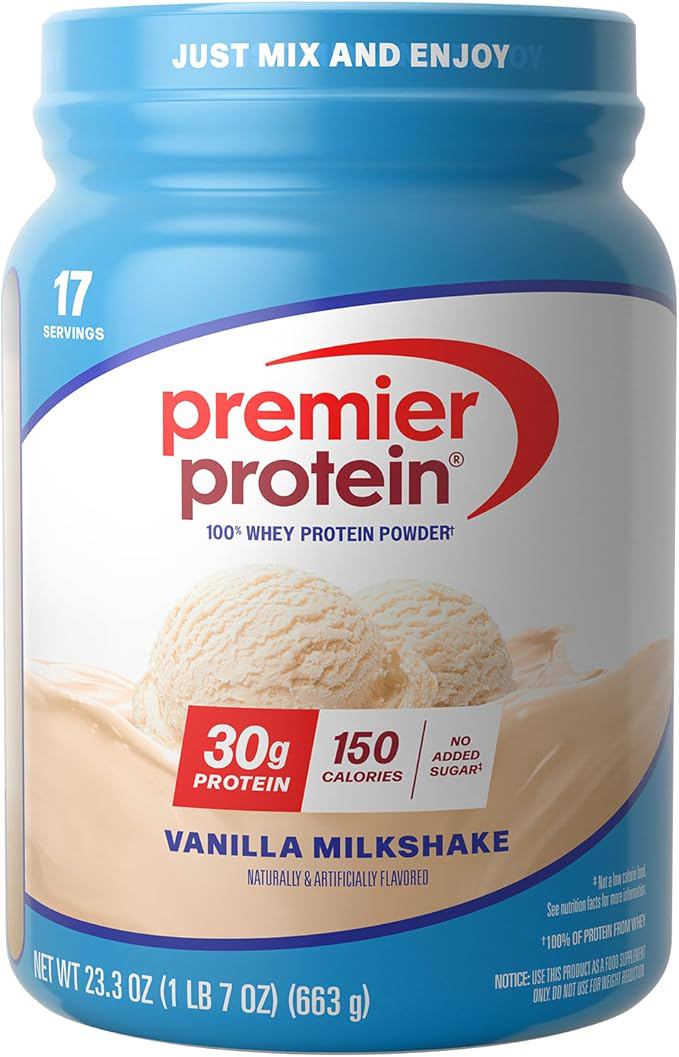
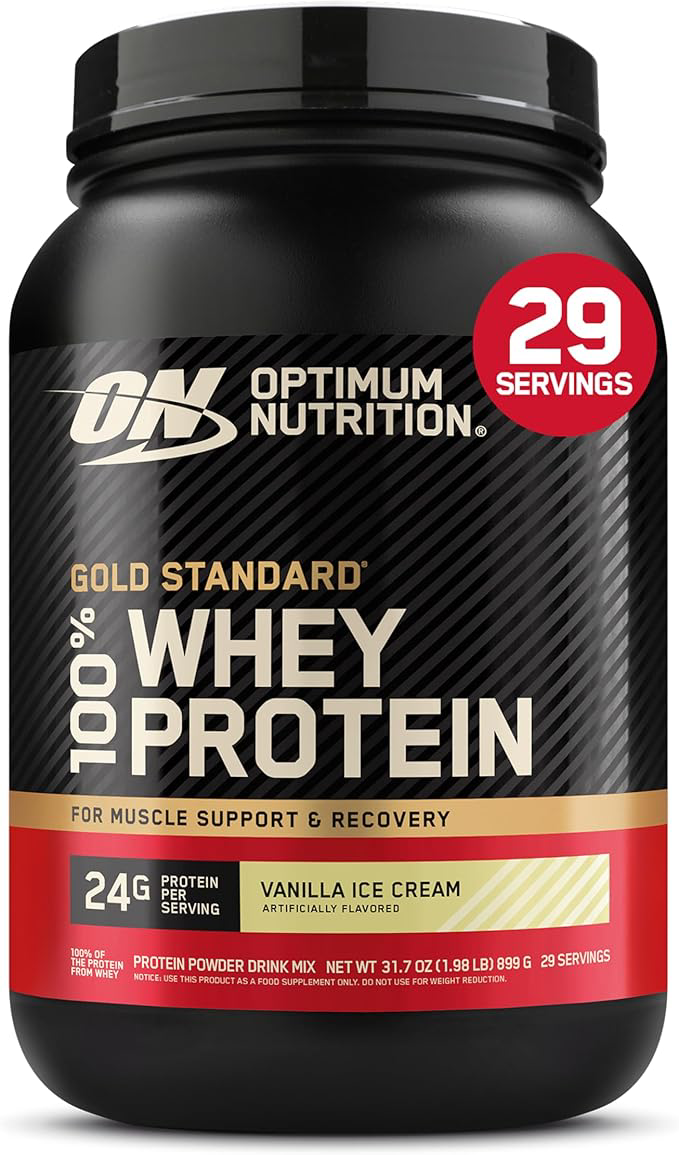
Recovery happens from the inside out. Prioritize sleep, as this is when your body does the majority of its repair work. Hydration is also critical, as water supports every metabolic process involved in healing. Nutrition matters, too; ensure you’re consuming enough protein to provide the amino acid building blocks for muscle repair, and include anti-inflammatory foods like berries, leafy greens, and fatty fish.
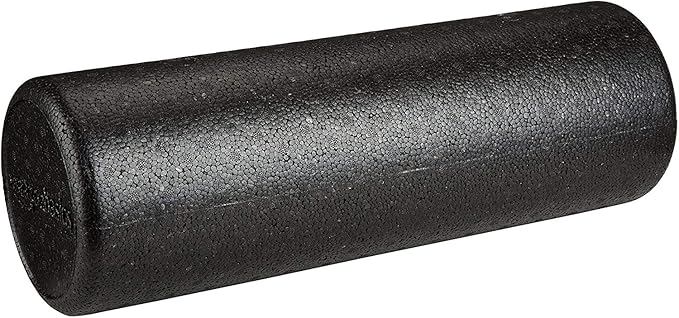
Gentle methods like foam rolling or using a massage gun on a low setting may provide temporary relief by easing muscle tension. A warm bath or shower can also soothe stiff muscles. The evidence for things like ice baths is mixed; while they may reduce inflammation, some research suggests they might also blunt the adaptive strength signal. Use them sparingly, perhaps after an exceptionally grueling session, not after every workout.
Building a Smarter Routine to Minimize Excessive Soreness
While some soreness is inevitable, you don’t need to be brutally sore to make progress. Intelligent programming can keep you in the productive zone.
- Progress gradually: The 10% rule is a helpful guideline. Avoid increasing your workout volume (weight, distance, reps) by more than 10% per week.
- Warm up and cool down: Spend 5-10 minutes dynamically warming up before lifting heavy or sprinting. Cool down with light movement and static stretching afterward.
- Embrace periodization: Structure your training in cycles. Follow a harder week with a lighter “deload” week where you reduce volume or intensity by 30-50%. This allows for supercompensation without cumulative fatigue.
- Listen and adjust: If you’re still very sore from your last leg day, swapping in an upper body or cardio session is smarter than forcing another brutal leg workout. Train around the soreness, not through severe pain.
The fittest individuals aren’t those who endure the most pain; they’re those who consistently show up, recover effectively, and avoid injury. Learning the language of your soreness—deciphering the normal ache from the warning twinge—is your most powerful tool for lifelong fitness.