You push through a tough workout, and the next day, you feel it. That familiar ache in your muscles is a sign of your hard work. But sometimes, a sharper, more persistent pain makes you pause and wonder: is this just normal soreness, or is it something more serious? Knowing the difference between typical post-exercise discomfort and a potential injury is one of the most important skills you can develop for your long-term fitness journey. It keeps you safe, helps you train smarter, and prevents minor issues from becoming major setbacks.
Let’s walk through the key distinctions. The goal isn't to diagnose yourself—that’s always a conversation for a healthcare professional—but to become more attuned to your body’s signals. By learning to recognize a few critical warning signs, you can make better decisions about when to rest, when to modify, and when to seek help.
The Nature of the Ache: DOMS vs. Injury Pain
First, it helps to understand what’s likely happening when you feel that good soreness. Delayed Onset Muscle Soreness, or DOMS, is that stiff, achy feeling that peaks 24 to 72 hours after unfamiliar or intense exercise. It’s thought to be caused by microscopic tears in muscle fibers, a normal part of the adaptation process that leads to strength and endurance gains. This soreness is diffuse—you feel it across a general muscle area, like your entire quad or hamstring. It’s tender to the touch and stiff when you first move, but it usually eases up as you warm up and move around.
Pain from an injury tells a different story. It’s often more localized and specific. Instead of a broad ache in your calf, you might feel a precise, sharp pinch near your Achilles tendon. This type of pain doesn’t just linger in the background; it demands your attention. It can feel sharp, stabbing, or like a deep, persistent throb. While DOMS is a response to workload, injury pain is often a signal of structural distress—in a tendon, ligament, joint, or bone.
Three Key Warning Signs to Watch For
Beyond the general character of the pain, these three specific markers can help you distinguish between soreness and something that needs closer attention.
1. Pain That Intensifies With Activity
This is a major red flag. Normal muscle soreness typically improves with light movement and warming up. You might feel stiff starting your walk or jog, but after five or ten minutes, the muscles loosen and the ache diminishes.
Injury pain does the opposite. It often gets worse as you continue the activity. A twinge in your knee during the first few squats that becomes a sharp pain by the tenth rep is a signal to stop. Pain that increases linearly with load or repetition is your body’s way of saying the tissues are being stressed beyond their current capacity to recover.
If the pain escalates as you move, it’s time to pause and reassess.
2. Swelling, Bruising, or Visible Changes
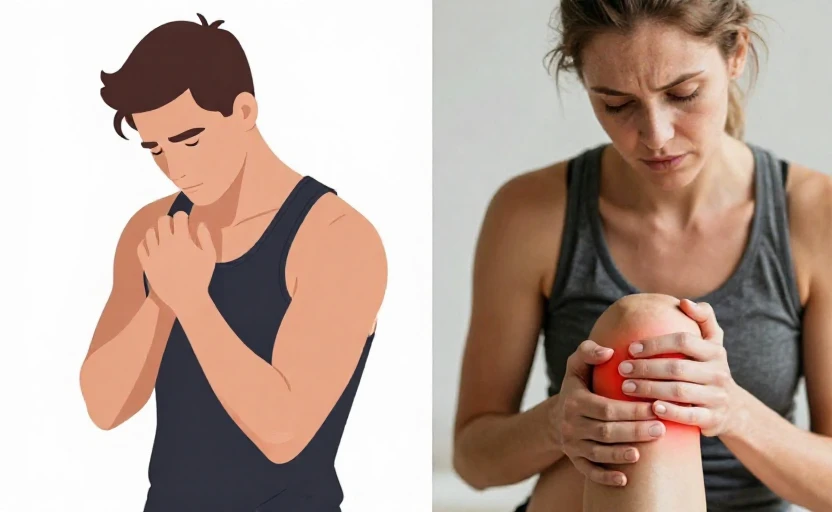
DOMS doesn’t usually come with visible external signs. You might feel tight and full, but significant swelling, noticeable redness, or bruising around a joint or muscle is not part of normal recovery. These are classic signs of acute inflammation from a sprain, strain, or tear.
Take a moment to look at the area. Compare it to the opposite limb. Is one ankle visibly puffy? Is there a hot sensation or discoloration around a joint? These visual and tactile cues point toward an injury that requires rest and possibly professional evaluation.
3. Joint Pain vs. Muscle Pain
Learning to locate the pain precisely is crucial. Muscle soreness resides in the belly of the muscle—the thick, central part. Joint pain, however, is felt in or around the joint itself: your knee, shoulder, elbow, or ankle.
- Muscle soreness: Feels deep in the muscle, is often symmetrical (both legs), and is associated with stiffness.
- Joint pain: Feels pinpointed at the joint line, may be one-sided, and is often accompanied by sensations of clicking, grinding, instability, or a feeling that the joint might “give way.”
Pain inside a joint, especially if it limits your range of motion (you can’t fully bend or straighten it), is a significant warning sign that should not be ignored.
What to Do When You’re Unsure
When that line feels blurry, err on the side of caution. A good rule of thumb is the 24-48 hour test. For general soreness, take a rest day or engage in active recovery (like walking, gentle yoga, or swimming). The soreness should noticeably improve within a couple of days.
If the pain persists unchanged or worsens after 48 hours of rest, or if it immediately triggers any of the three warning signs, it’s wise to stop the aggravating activity and consult a physical therapist, sports medicine doctor, or other qualified healthcare provider. They can provide a proper assessment and guide your recovery.
Remember, pushing through injury pain is never a badge of honor. It’s a shortcut to longer downtime. Listening to your body’s clear warnings is the mark of a smart, sustainable athlete.
Supporting Your Recovery, Safely
For general muscle soreness, your focus should be on recovery and nourishment. Gentle movement promotes blood flow, which delivers nutrients and clears metabolic byproducts. Hydration is essential for every cellular process, including repair. Nutrition matters, too—ensuring you get enough protein supports muscle protein synthesis, and foods rich in antioxidants can help manage inflammation.
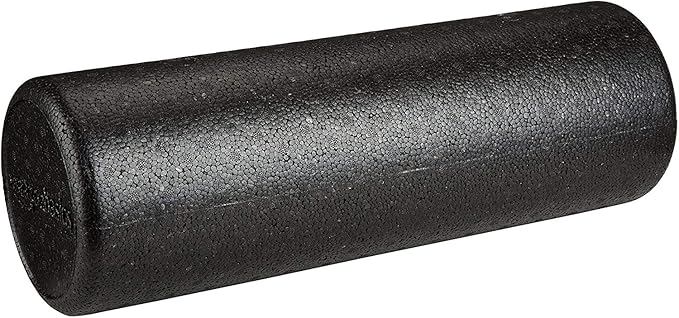
Tools like foam rollers or massage guns can offer relief for tight, sore muscles by applying pressure to release tension. Similarly, applying a cold pack to a particularly sore area can temporarily reduce discomfort and inflammation. The key is to use these tools to support your body’s natural healing process, not to silence a persistent pain signal that’s asking for rest.
Building a resilient body is a marathon, not a sprint. Honoring the difference between productive soreness and problematic pain is what keeps you moving forward, year after year.