You’ve just finished a tough session—maybe a long run, a heavy lift, or a high-intensity class. Your muscles are talking to you, but so are your joints. That familiar ache in your knees or a twinge in your shoulders isn’t just a sign of effort; it’s a signal that your recovery nutrition needs to consider more than just muscle protein. Focusing your post-workout meal on joint support can help you feel more resilient, reduce stiffness, and keep you moving consistently.
Think of your joints as the hinges of your body. They’re complex structures of bone, cartilage, ligaments, and synovial fluid, all of which undergo stress and micro-inflammation during exercise. The right nutrients after a workout can help modulate that inflammation, provide building blocks for repair, and replenish the fluids that keep everything gliding smoothly. It’s less about a single “magic” food and more about a strategic combination of components that work together.
What Makes a Meal Good for Joint Recovery?
Post-workout nutrition for joints revolves around three key actions: calming exercise-induced inflammation, providing raw materials for repair, and rehydrating thoroughly. Unlike muscle recovery, which heavily emphasizes protein synthesis, joint recovery benefits from a broader spectrum of nutrients that support connective tissue and synovial health.
This means looking beyond the standard chicken-and-rice plate. While protein is still crucial, the types of fats, specific vitamins, and phytonutrients you include become equally important. The goal is to create an internal environment that’s primed for repair, not perpetuating unnecessary stiffness.
The Core Components
Every joint-supportive meal should aim to include these elements:
- High-Quality Protein: Provides amino acids like glycine and proline, which are fundamental for rebuilding collagen—the main protein in cartilage, tendons, and ligaments. Sources like eggs, Greek yogurt, lean poultry, fish, and legumes are excellent.
- Anti-Inflammatory Fats: Omega-3 fatty acids, particularly from marine sources, are potent modulators of inflammation. They help manage the natural inflammatory response to exercise without shutting it down completely, which is necessary for the repair process.
- Colorful Antioxidants: Vibrant fruits and vegetables deliver vitamins C and E, along with compounds like anthocyanins and carotenoids. Vitamin C is especially critical, as it’s a cofactor for collagen synthesis. These antioxidants help neutralize free radicals produced during exercise.
- Hydration with Electrolytes: Joint cartilage is about 80% water. Synovial fluid, which lubricates joints, is primarily water and hyaluronic acid. Replenishing fluids and electrolytes like sodium and potassium lost through sweat is non-negotiable for maintaining joint lubrication and shock absorption.
Your post-workout window is a unique opportunity to feed your joints the specific nutrients they need to repair and become more resilient.
Building Your Plate: Practical Meal Ideas
Translating those components into actual food doesn’t require exotic ingredients. It’s about thoughtful combinations. Here are a few balanced ideas that are as delicious as they are supportive.
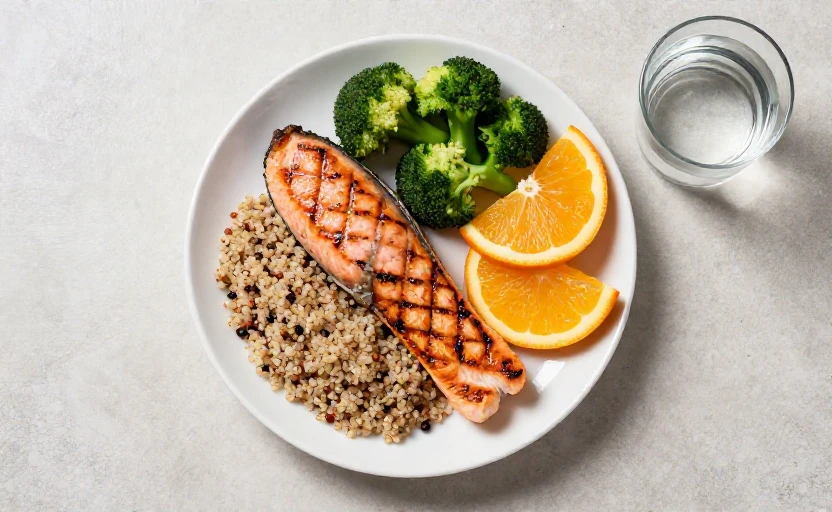
The Salmon Bowl: A fillet of baked or grilled salmon (rich in omega-3s and protein) served over a bed of quinoa (complete protein, minerals) with a large side of steamed broccoli and red bell peppers (vitamin C, antioxidants). Drizzle with olive oil and a squeeze of lemon.
The Recovery Smoothie: For something quick and easily digestible, blend Greek yogurt or a scoop of protein powder with a handful of spinach, a cup of frozen cherries or berries (potent antioxidants), a tablespoon of ground flaxseed (omega-3s), and liquid of choice. The beauty of a smoothie is its hydration factor.
The Hearty Omelet: Whip two eggs with a splash of water, pour into a pan, and fill with sautéed mushrooms and spinach. Serve with a side of sliced orange. Eggs provide protein and collagen-building amino acids, while the veggies and fruit deliver key vitamins.
The Comfort Bowl: Lentil or chickpea soup (plant-based protein, fiber) with added dark leafy greens like kale (vitamin K, antioxidants). Pair with a whole-grain roll. This is a hydrating, nutrient-dense option that’s easy on the stomach.
Timing and Consistency Matter
While the 30-minute “anabolic window” is often overstated, there is a benefit to eating within an hour or two after your workout. This is when blood flow is still elevated, and your body’s cellular machinery is most receptive to nutrients for repair. More important than perfect timing, however, is consistent practice. Making a habit of choosing joint-supportive foods after exercise creates a cumulative effect on your connective tissue health.
Listen to your body. If you finish a workout feeling particularly achy or stiff, let that guide you toward a meal richer in omega-3s and antioxidants. Your meal is one part of the recovery puzzle; quality sleep and appropriate rest days are the others.
Foods and Habits to Be Mindful Of
Just as some foods aid recovery, others can potentially hinder it if consumed in large quantities immediately post-exercise. Highly processed foods, excessive sugars, and large amounts of saturated fats can promote a more pronounced inflammatory response. This doesn’t mean you can never have them, but they aren’t the best choice for your primary recovery meal.
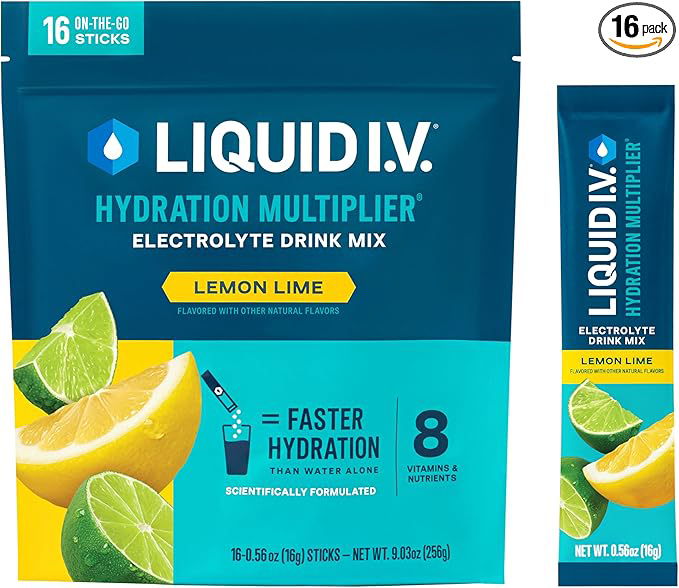
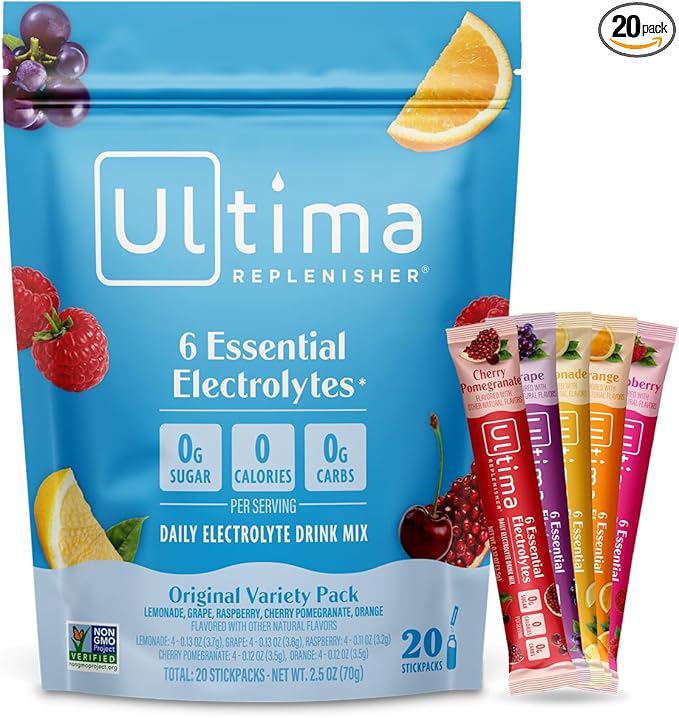
Similarly, don’t neglect hydration. Even mild dehydration can make synovial fluid more viscous, reducing its lubricating efficiency. Water is essential, but after a sweaty session, consider fluids that also replace electrolytes, like coconut water or an electrolyte mix in your water bottle.
Nourishing your joints after a workout is a proactive step toward long-term mobility. By choosing meals that combine smart protein, healthy fats, colorful plants, and ample fluids, you’re not just recovering for tomorrow—you’re investing in the health of the hinges that allow you to move freely for years to come.