
For seniors committed to staying active, regular exercise is a powerful tool for maintaining strength, mobility, and vitality. But there’s a subtle line between a challenging workout and one that pushes the body too far, too often. Unlike a younger athlete, an older body may not recover as quickly, and the signals of overtraining can be quieter, often mistaken for normal aging. Learning to distinguish between healthy fatigue and a body pleading for rest is a critical skill for lifelong fitness.
Overtraining, or more accurately for most seniors, ‘under-recovering,’ occurs when the cumulative stress of exercise outpaces the body’s ability to repair and adapt. The goal of any workout is to create a stimulus, then allow the body to rebuild stronger during rest. When frequency or intensity removes that crucial recovery window, the scales tip from building up to breaking down. Let’s explore the seven warning signs that your workout frequency may have crossed into unsafe territory.
Persistent Fatigue That Doesn’t Lift
A deep, lingering sense of tiredness is the most common red flag. This isn’t the satisfying muscle fatigue after a good strength session that fades in a day or two. This is a systemic weariness—a feeling of being drained that follows you from morning to night, even after a full night’s sleep. You might find your usual workouts feel disproportionately hard, or that you lack the mental and physical spark to begin them at all. When rest no longer restores your energy, your training schedule likely needs adjustment.
Recovery isn’t a sign of weakness; it’s the non-negotiable process that makes exercise effective.
Declining Performance and Loss of Strength
Pay close attention to your workout metrics, even the informal ones. Are you suddenly struggling to complete your usual number of repetitions with a weight that felt manageable last week? Is your walking or cycling pace noticeably slower, despite putting in the same effort? A consistent, unexplained drop in performance is a classic sign of overtraining. Your body is signaling it hasn’t recovered enough to meet the previous demand, let alone progress beyond it.
Nagging Aches, Pains, and Joint Stiffness
While minor muscle soreness is normal, new or worsening joint pain, tendon discomfort, or persistent muscle aches are not. Listen closely to these whispers from your body; they often precede louder shouts in the form of injury. Increased general stiffness, especially in the mornings, can indicate that inflammation from frequent training is accumulating faster than your body can resolve it. Distinguishing this from arthritis flare-ups is important, but a pattern linked to your workout days is a key clue.
Disrupted Sleep Patterns
Exercise generally promotes better sleep, but overtraining can sabotage it. You might experience difficulty falling asleep despite feeling exhausted, or find yourself waking frequently throughout the night. Some people report restless, unrefreshing sleep. This happens because an overloaded nervous system can remain in a heightened state of alert, interfering with the natural wind-down process essential for deep, restorative sleep.
Mood Shifts and Irritability
Your mental state is a powerful barometer of physical stress. Overtraining can deplete neurotransmitters and elevate stress hormones like cortisol, leading to feelings of irritability, anxiety, or general apathy—sometimes called “exercise burnout.” If you find yourself dreading workouts you usually enjoy, or feeling unusually short-tempered, it’s worth considering whether your regimen is contributing to the strain.
Frequent Illness or Slow Healing
Regular, moderate exercise bolsters the immune system. Excessive, unrelenting exercise can have the opposite effect. If you notice you’re catching every cold that goes around, or that small cuts, bruises, or sore muscles take much longer to heal than they used to, it’s a sign your body’s resources are stretched too thin. Its priority becomes basic maintenance, leaving little in reserve for immune defense and repair.
Elevated Resting Heart Rate
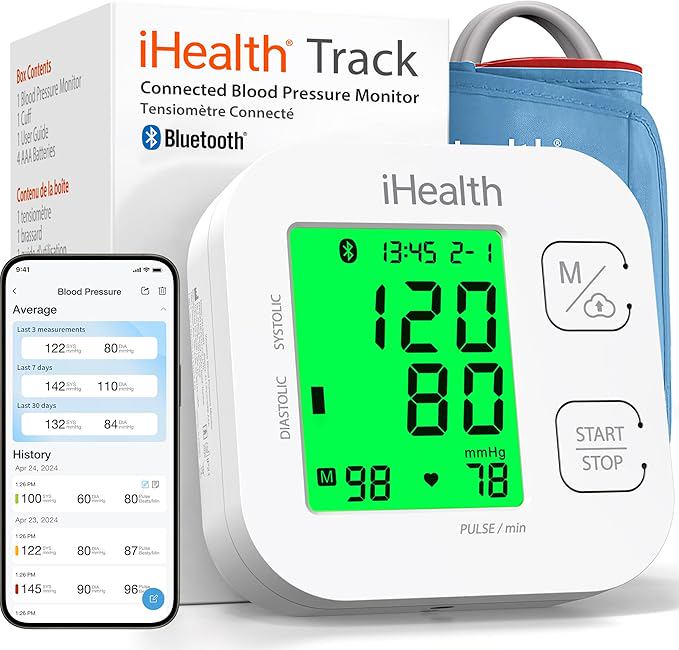
This requires a bit of tracking, but it’s a valuable objective measure. Take your pulse first thing in the morning, before you get out of bed, a few times a week to establish your normal baseline. A consistently elevated resting heart rate (by 5-10 beats per minute or more) over several days can indicate your nervous system is under stress and your body is working harder than it should be at complete rest, often due to insufficient recovery from training.
What to Do If You Recognize the Signs
First, don’t panic. The solution is not to stop exercising forever, but to reintroduce balance. This starts with a proactive rest period. Consider taking 3-7 days of complete rest or engaging in only very gentle movement like leisurely walking or stretching. Use this time to focus on hydration, nutrition, and sleep.
When you return to exercise, rebuild intelligently. A sustainable approach for seniors often involves spacing out high-intensity or heavy strength days. For example, if you strength train, ensure at least 48 hours between working the same major muscle groups. Many thrive on a pattern that alternates focus—a strength day followed by a gentle mobility or cardio day, then rest or very light activity.
Finally, broaden your definition of fitness to prioritize recovery activities. Dedicate time to post-workout cooldowns, gentle yoga or stretching sessions, and stress-management practices like deep breathing. These aren’t extras; they are integral components of a safe, effective fitness plan that supports a resilient, active body for years to come.